
Pool Fencing That Keeps Your Family Safe and Passes Every Inspection
Don’t risk fines, insurance issues, or worse because your pool fence doesn’t meet Connecticut and New York safety codes. We install compliant pool fencing that protects what matters most.


30+
Years of Experience
You Can’t Afford to Get Pool Fencing Wrong
If you own a pool in Connecticut or New York, you already know the stress of making sure everything’s up to code. Maybe you’ve heard horror stories about neighbors getting hit with fines because their pool fence didn’t pass inspection. Or worse, you’ve seen the headlines about pool accidents that could have been prevented.
The truth is, pool fencing isn’t just about checking a box for your town’s building department. It’s about making sure your kids, grandkids, and their friends stay safe around your pool. But getting it right means dealing with complicated regulations that seem to change every year.
Connecticut just updated their pool codes in 2025 with HB 5169, and New York towns each have their own specific requirements. One small mistake in height, gate hardware, or spacing can mean starting over completely. That’s not just frustrating, it’s expensive.
What Happens When Pool Fencing Goes Wrong
We’ve seen too many homeowners learn the hard way what happens when pool fencing isn’t done right. Take the family in Danbury who thought they could save money by installing their own removable mesh fence. Three months later, the building inspector failed their final inspection because the gate didn’t self-close properly. They had to pay for a complete reinstall plus a $500 fine.
Then there’s the insurance issue most people don’t think about. If your pool fence doesn’t meet current safety codes and someone gets hurt, your homeowner’s insurance might not cover the claim. We’ve worked with families who discovered this the hard way after their insurance company sent an inspector who found code violations.
The worst part is when contractors promise you something that sounds too good to be true, then disappear when problems come up. You’re left dealing with building departments, insurance companies, and safety concerns all by yourself. That’s not how it should work.
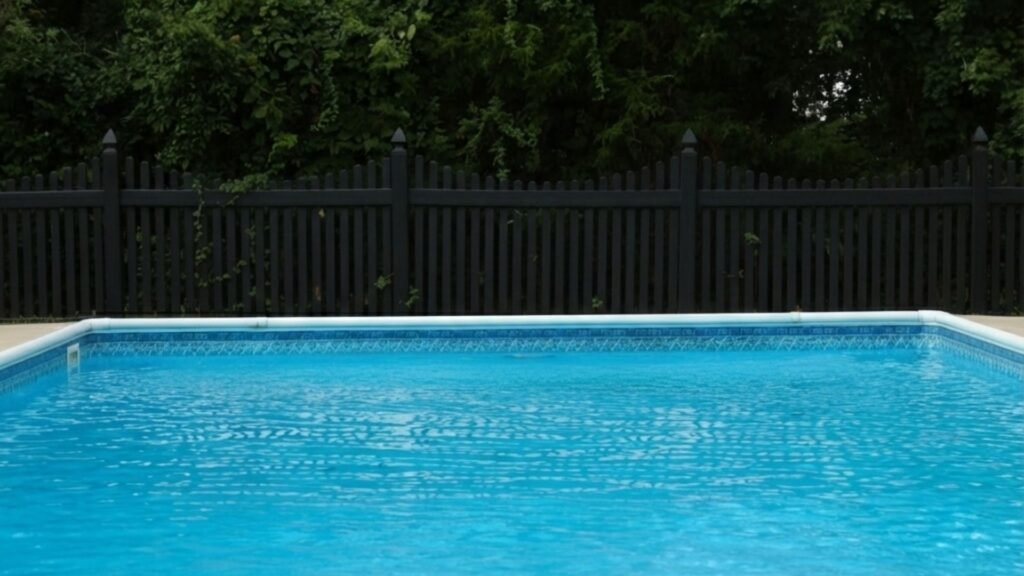

Why Pool Fencing Requirements Are So Strict
Connecticut and New York don’t make these rules complicated just to be difficult. They exist because pool safety saves lives, especially when it comes to young children who can get into trouble in seconds.
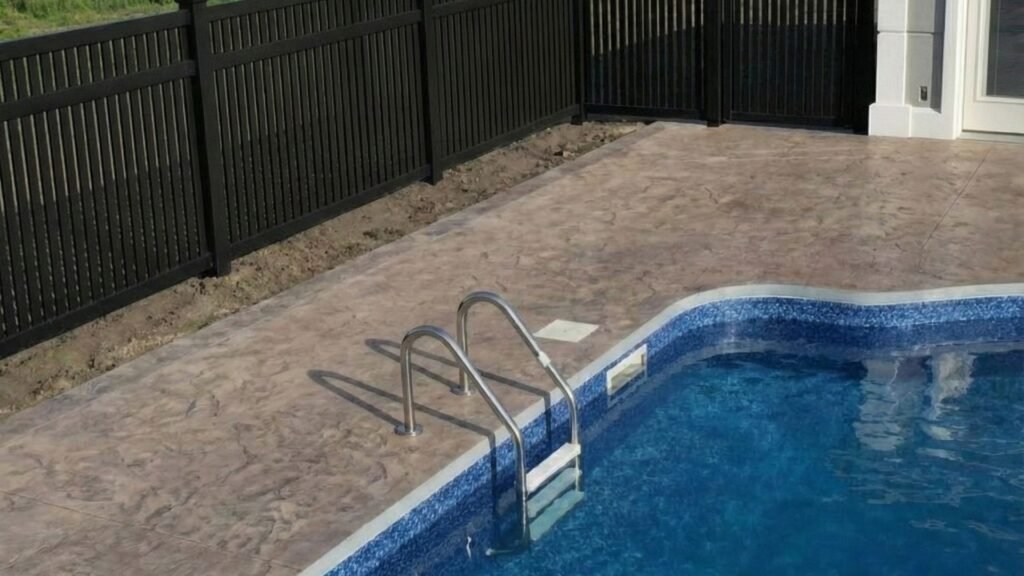
Connecticut’s 2025 code requires pool fences to be at least 4 feet high with self-closing, self-latching gates. The bottom gap can’t be more than 2 inches, and there can’t be any footholds that make the fence climbable. Gates have to be positioned so they don’t open directly over the pool, and they need to close and latch automatically every single time.
New York requirements vary by town, but most require fences between 4 and 5 feet high with similar gap and gate requirements. Some areas, like Westchester County, have even stricter rules about alarm systems and fence materials.
The key thing to understand is that these aren’t suggestions. Building inspectors check every detail, and if something doesn’t meet code, you don’t get your certificate of occupancy. Without that, you can’t legally use your pool.

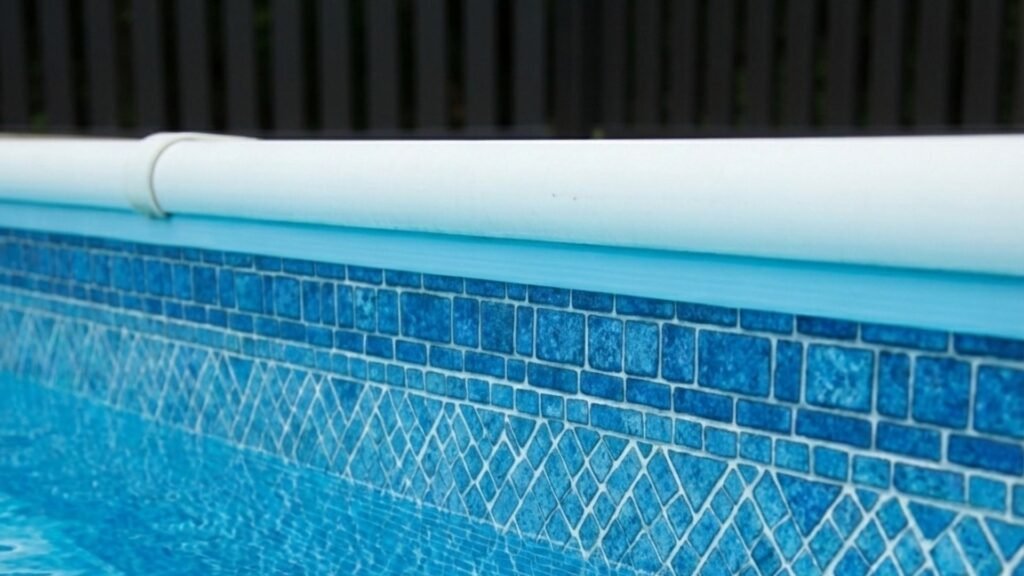
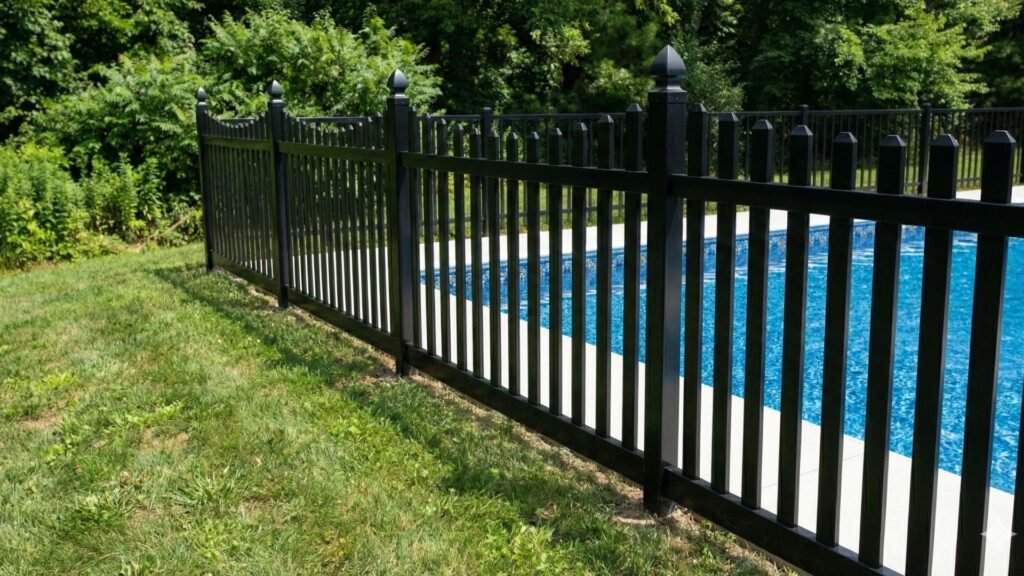

Different Types of Pool Fencing and What Works Best
Not all pool fencing is created equal, and what works for your neighbor might not be right for your situation. The three main types we install are mesh, vinyl, and aluminum, each with specific advantages.
Mesh fencing is probably what most people think of when they hear ‘pool fence.’ It’s made from high-strength, UV-resistant material that’s see-through enough to maintain your yard’s appearance but strong enough to stop a determined toddler. The big advantage is that it’s removable when you need it to be, which is great for seasonal pools or special events. Quality mesh fencing costs between $20-35 per linear foot installed.
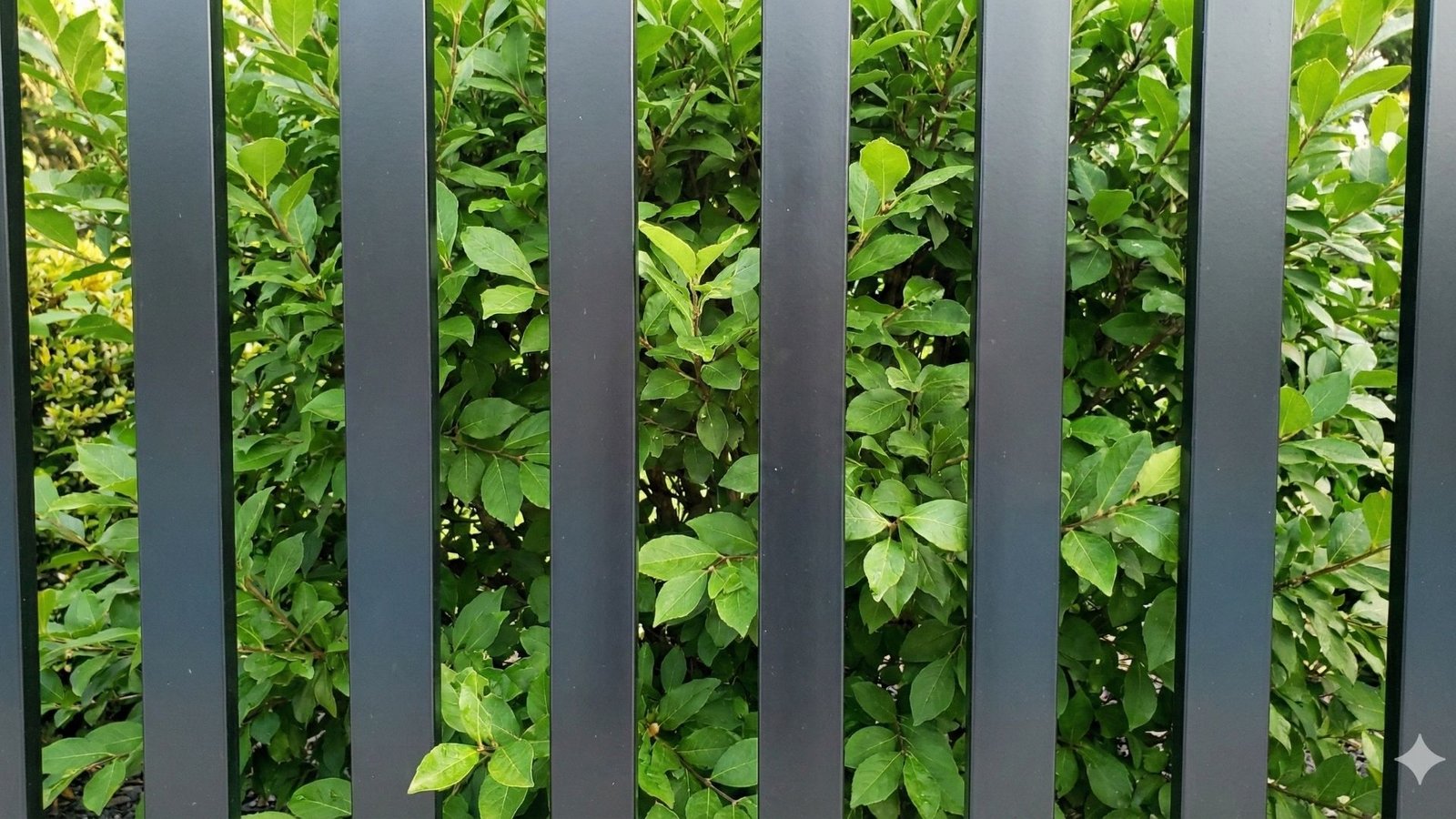
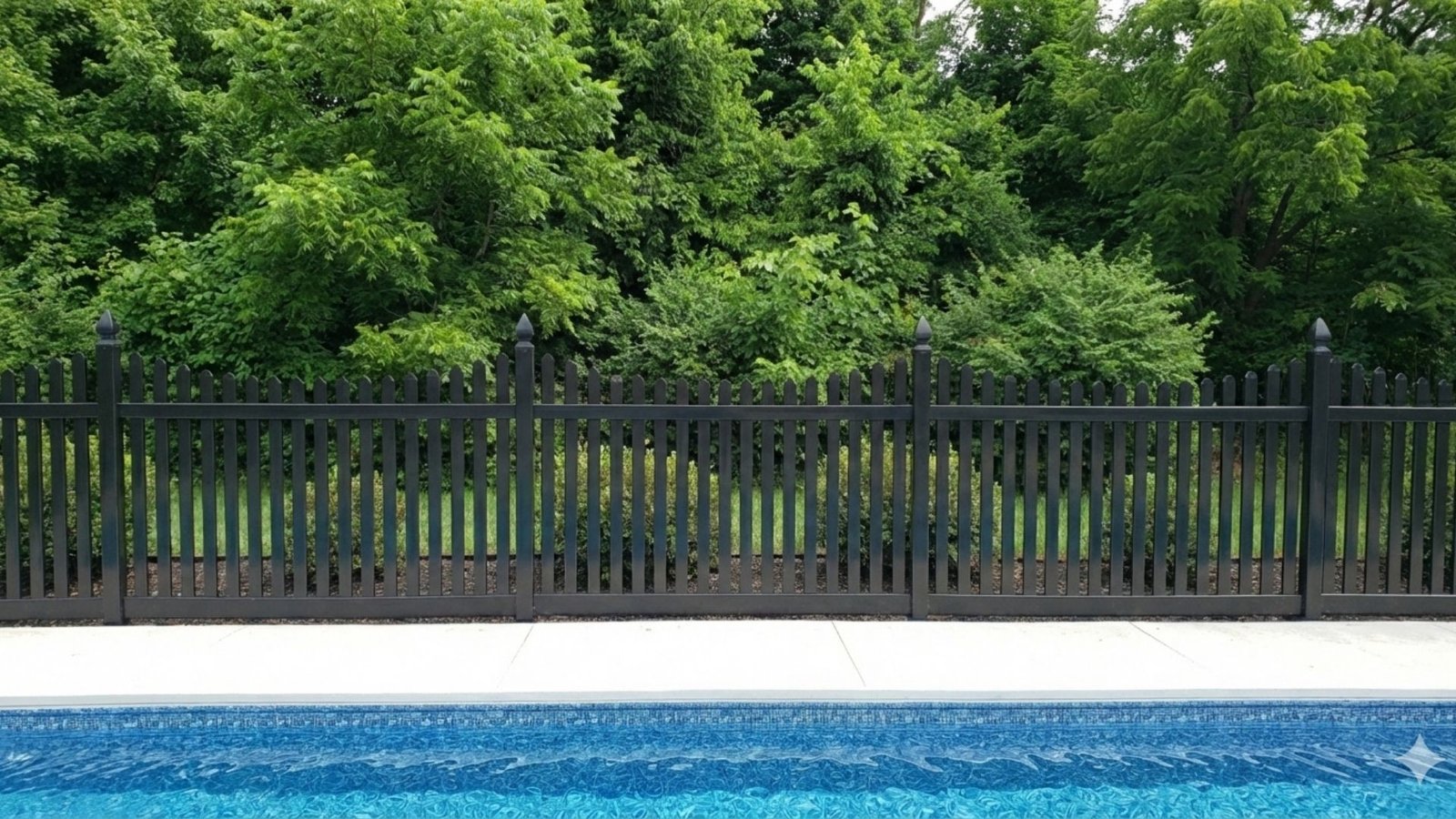
Vinyl and aluminum pool fencing offer more permanent solutions that look like regular property fencing. These systems work well when you want your pool area to feel more integrated with your overall landscape design. They typically cost $30-60 per linear foot, depending on style and height, but they last longer and require less maintenance than mesh systems.
The choice often comes down to your specific situation. If you have young children living at home, permanent fencing might make more sense. If your kids are older and you mostly worry about neighborhood children or pets, removable mesh could be a better option.
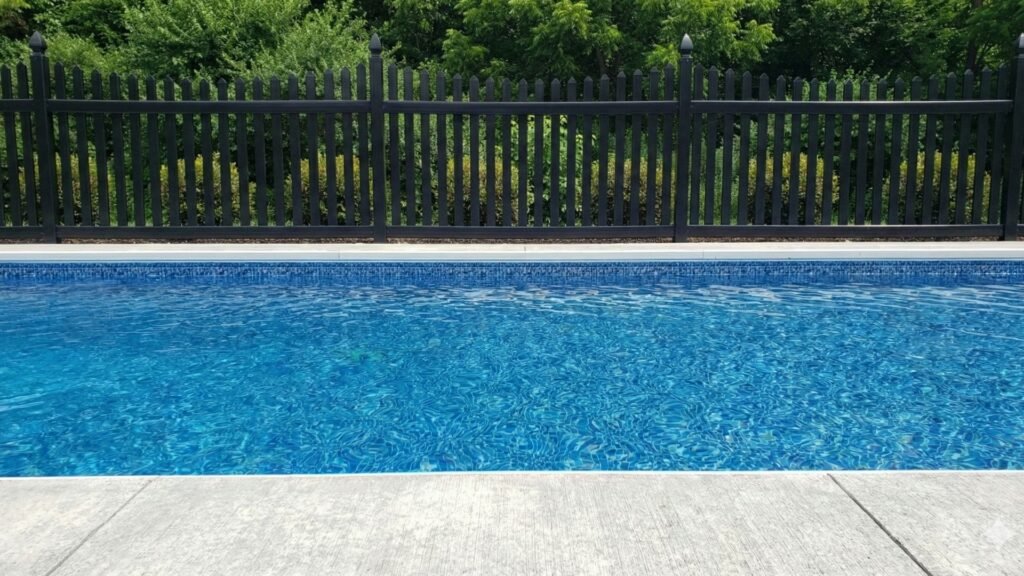

Our Pool Fencing Installation Process
We’ve been installing pool fencing since 2022, and we’ve learned that the key to getting it right is taking care of all the details before we ever break ground. Too many contractors rush the planning phase and end up with problems later.
First, we come out to measure your pool area and discuss your specific needs. Every property is different, and what works in a flat backyard in New Fairfield won’t necessarily work on a sloped lot in Brewster. We look at your pool’s shape, your landscaping, any existing structures, and how your family actually uses the space.
Next, we handle all the permit paperwork with your local building department. This isn’t something you want to mess around with. Each town has different requirements for applications, fees, and inspection schedules. We know exactly what each municipality expects because we work in these areas every day.
During installation, we call 811 for utility location and dig fence posts to the proper depth for your soil conditions. In Connecticut and New York, that usually means going at least 36 inches down to get below the frost line. We use professional-grade hardware for all gates and latching mechanisms, not the cheaper versions you might find at big box stores.
After installation, we test every gate multiple times to make sure it closes and latches properly from every angle. Then we schedule the building inspection and walk through the fence with the inspector to address any questions before you get your final approval.
Why Choose My Fence Guy for Your Pool Fencing Project


Pool fencing isn’t something you can afford to get wrong, which is why we focus exclusively on doing it right the first time. We’re licensed and insured, which should be non-negotiable for any pool fencing contractor you’re considering. But beyond that, we know the specific requirements for every town we serve in Connecticut and New York.
We’ve built relationships with building inspectors throughout Fairfield County, Westchester County, and the surrounding areas. That doesn’t mean we get special treatment, but it does mean we know exactly what each inspector looks for and how to make sure your fence passes inspection the first time.
Our installation teams have experience with every type of soil condition you’ll find in our service area, from rocky ledge in Ridgefield to sandy soil near the water in Stamford. We carry professional-grade equipment for every installation, including core drills for rocky ground and post-hole diggers designed for precision work.
Most importantly, we stand behind our work with comprehensive warranties. Pool fencing hardware gets used constantly, especially the self-closing mechanisms on gates. We use commercial-grade springs and hinges that are designed to work reliably for years, and we guarantee our installation work.


Pool Fencing Costs and What You’re Actually Paying For
Pool fencing costs vary depending on the type of fence, your property conditions, and local permit requirements. But understanding what you’re paying for helps you make better decisions and avoid contractors who cut corners.
Mesh pool fencing typically runs $20-35 per linear foot for professional installation. That includes the fence panels, posts, gates, all hardware, permits, and labor. Higher-end mesh systems with premium hardware and longer warranties cost more, but they’re usually worth it for the reliability.
Permanent vinyl or aluminum pool fencing costs $30-60 per linear foot, depending on height and style. These systems include concrete footings for the posts, powder-coated finishes that won’t fade or rust, and commercial-grade gate hardware. They’re more expensive upfront, but often last 20+ years with minimal maintenance.
The total cost for most pool fencing projects in our area ranges from $3,000-12,00,0 depending on pool size and fence type. That might seem like a lot, but compare it to the cost of a single insurance claim or lawsuit if someone gets hurt because your pool wasn’t properly secured.
What you’re really paying for is peace of mind. Professional installation means your fence will pass inspection, meet all safety codes, and protect your family for years to come. Trying to save money with DIY installation or cut-rate contractors almost always costs more in the long run.

Common Pool Fencing Problems and How We Avoid Them
After three years of installing pool fencing throughout Connecticut and New York, we’ve seen every possible problem that can come up. Most of them are preventable if you know what to watch out for.
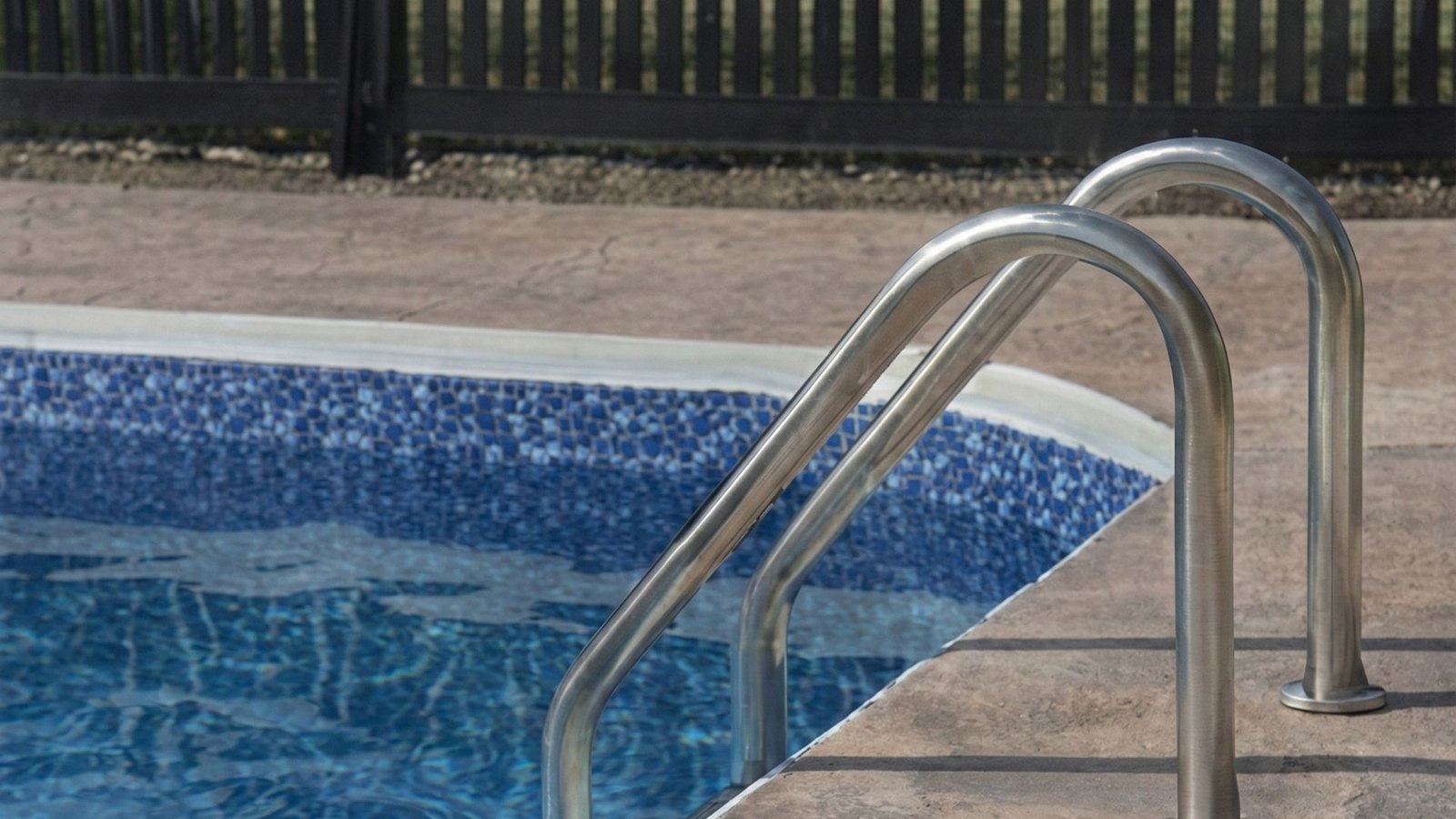
The biggest issue is gate hardware that doesn’t work properly. Self-closing, self-latching gates are required by code, but cheap hardware often fails within the first year. Springs lose tension, latches stick, or hinges start to sag. We use commercial-grade hardware rated for outdoor use and thousands of open-close cycles.
Another common problem is improper spacing. Gates need to be positioned so they don’t open over the pool, but they also need to be convenient enough that people actually use them. We’ve seen too many installations where the gate placement makes sense for the installer but not for the family who lives there.
Post installation problems usually come from not going deep enough or not accounting for frost heave. Connecticut and New York get real winters, and fence posts that aren’t properly installed will shift over time. We always dig to the proper depth and use concrete footings sized for local soil conditions.
Mesh fencing has its own set of potential issues, mainly around tension and support. Mesh that’s not properly tensioned will sag and create gaps. Support posts that are spaced too far apart won’t provide adequate support. We follow manufacturer specifications exactly and add additional support posts when needed for longer runs.


Pool Fencing Maintenance and Long-Term Care

Quality pool fencing should last for many years with minimal maintenance, but there are things you can do to keep it working properly and looking good.
For mesh fencing, the main maintenance involves checking gate hardware and cleaning the mesh itself. Gate springs and latches should be tested monthly during pool season to make sure they’re working smoothly. The mesh can be cleaned with a garden hose or pressure washer to remove dirt and debris that builds up over time.
Vinyl and aluminum fencing require even less maintenance. Annual cleaning with soap and water keeps them looking new, and occasional lubrication of gate hinges prevents squeaking and binding. The powder-coated finishes we use are designed to resist fading and corrosion for decades.
The most important maintenance task for any pool fence is regularly checking that gates close and latch properly. This isn’t just about keeping up with code requirements; it’s about making sure the fence continues to provide protection. Kids grow and get stronger, and hardware that worked fine when they were toddlers might not be adequate as they get older.
We provide detailed care instructions with every installation and offer maintenance services for customers who prefer to have professional attention. Many of our customers schedule annual checkups before pool season starts to make sure everything is working perfectly.


Pool Fencing and Home Insurance
Most homeowners don’t realize how much their pool fence affects their insurance coverage and premiums. Insurance companies take pool safety seriously, and having proper fencing can actually reduce your rates, while inadequate fencing can void your coverage entirely.
Many insurance companies offer discounts of 10-20% on liability premiums when you have professionally installed, code-compliant pool fencing. Some companies also offer additional discounts if you add pool alarms or security cameras to your safety system.
On the other hand, insurance companies increasingly send inspectors to verify that pool safety measures meet current codes. If they find violations, you might face increased premiums, required corrections, or even policy cancellation. We’ve worked with several families who discovered their insurance was invalid because their DIY pool fence didn’t meet code requirements.
The liability protection aspect is probably the most important consideration. Pool accidents can result in lawsuits worth millions of dollars. Proper fencing demonstrates that you took reasonable precautions to prevent accidents, which can be crucial in legal proceedings.
We work with several insurance agents in our service area and can provide documentation that your pool fencing meets all current safety requirements. This documentation is often required for policy approval or claims processing.

Working with Building Departments and Inspections

Getting your pool fence approved by local building departments doesn’t have to be stressful if you know what to expect and work with contractors who understand the process.
Most Connecticut and New York municipalities require permits for pool fencing installation. The permit process typically involves submitting plans showing fence location, height, gate placement, and hardware specifications. Each town has different fees and processing times, but we handle all of this paperwork for our customers.
Building inspectors focus on specific safety requirements during their visits. They check fence height, measure gaps between pickets, and at the bottom, test gate hardware, and verify that there are no climbable features. They also look for proper post installation and adequate structural support.
The key to passing inspection is attention to detail. We’ve never had a pool fence fail inspection because we check everything twice before calling for the appointment. We also accompany inspectors during their visits to answer questions and address any concerns immediately.
Some municipalities require multiple inspections during the installation process. They might want to see post holes before concrete is poured, check fence installation before gates are hung, and do a final inspection before issuing certificates. We coordinate all of these appointments and make sure everything is ready when inspectors arrive.

Get Your Pool Fencing Done Right the First Time
Pool fencing is too important to leave to chance. Your family’s safety, your insurance coverage, and your legal protection all depend on getting it right. That means working with contractors who understand local codes, use quality materials, and stand behind their work.
We’ve installed pool fencing throughout Connecticut and New York since 2022, and we know what it takes to get your project approved quickly and built to last. We handle everything from permits to final inspection, so you can focus on enjoying your pool instead of worrying about compliance issues.
Our installation teams are licensed and insured, and we carry comprehensive warranties on all materials and labor. We serve communities throughout Fairfield County, parts of New York, including Westchester County, and everywhere in between.
Most importantly, we’re available 24 hours a day to discuss your project and answer questions. Pool fencing emergencies don’t wait for business hours, and neither do we.
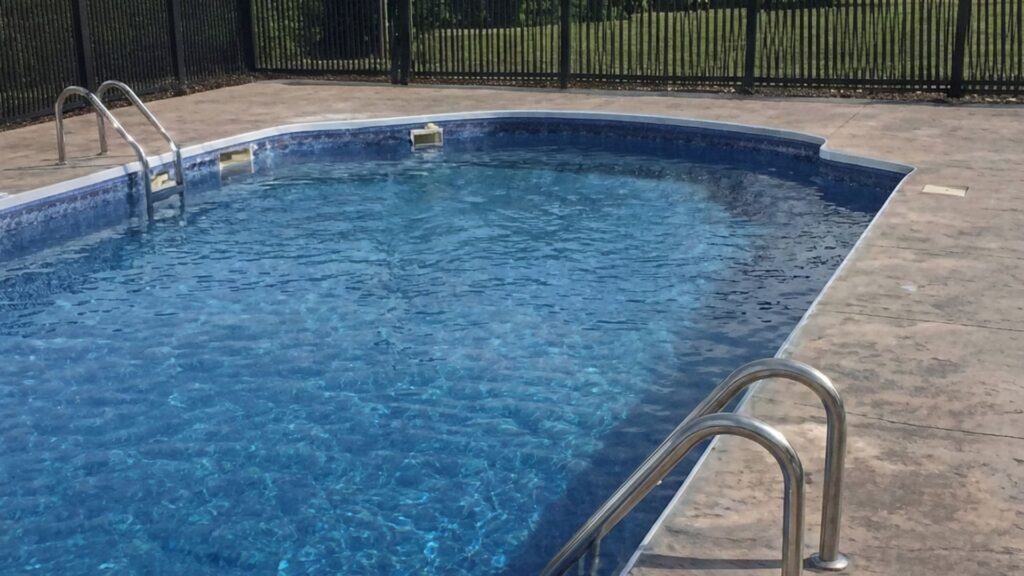
Ready to protect your family with compliant pool fencing?
Call My Fence Guy at (203) 746-1100 for your free consultation. We’re available 24/7 and serve all of Connecticut and New York.