
Keep Your Dogs Safe with Professional Pet Fencing in Connecticut and New York
Stop worrying about your pets escaping or getting hurt. We build custom pet fences that actually work for your specific dog breeds and yard conditions.
30+
Years of Experience
Your Pet’s Safety Shouldn’t Keep You Up at Night
You love your dogs, but you’re probably tired of constantly worrying about them. Maybe you’ve watched your Lab clear a four-foot fence like it was nothing, or found your Beagle has dug another escape tunnel under the back gate. Perhaps you’ve gotten that dreaded call from a neighbor saying they found your dog wandering down the street again.
These moments are terrifying for any pet owner. You want your dogs to enjoy the yard safely, but standard fencing just doesn’t cut it when you’re dealing with determined escape artists. Your pets deserve better than a fence that fails when they need it most.
At My Fence Guy, we understand that every dog has different needs. A fence that works for a calm Golden Retriever won’t necessarily contain an energetic Husky or a small but determined Terrier. That’s why we specialize in building pet fencing systems that are specifically designed for your dogs’ breeds, sizes, and behaviors.
Why Most Pet Fences Fail Connecticut and New York Dogs
Let’s talk about what actually goes wrong with most pet fencing installations. We see the same problems over and over again when homeowners call us for help.
First, there are the gaps. Standard fencing often leaves spaces at the bottom where small dogs can squeeze through, or between slats where clever pets can push their way out. After a few freeze-thaw cycles here in Connecticut and New York, these gaps get even worse as soil shifts and posts move.
Then there’s the height issue. Many contractors install four-foot fencing, thinking it’s enough, but athletic dogs like Labs, German Shepherds, or Border Collies can clear that height without breaking a sweat. We’ve seen Great Danes step right over fences that seemed tall to their owners.
Digging is another major problem that most fencing contractors don’t address properly. Dogs like Beagles, Dachshunds, and many Terrier breeds are natural diggers. They’ll work at the base of a fence until they’ve created their own personal exit route. Standard installations often skip the underground barriers that actually prevent this behavior.
Weak gates are probably the biggest failure point we encounter. Standard gate latches aren’t designed for dogs that jump up, push with their paws, or figure out how mechanisms work. We’ve seen smart dogs learn to operate simple latches in just a few days.
What Makes Our Pet Fencing Different
When we design a pet fence for your property, we start by understanding your specific dogs and your yard conditions. This isn’t a one-size-fits-all approach.
For jumping breeds, we typically recommend six to eight-foot heights depending on your dog’s athletic ability. But height alone isn’t enough. We also install what’s called a coyote roller system at the top, which prevents dogs from getting the grip they need to pull themselves over.
Diggers get a completely different treatment. We install L-shaped footer barriers that extend underground and outward from the fence line. These create an underground barrier that stops digging behavior before it becomes a problem. For determined diggers, we sometimes recommend concrete footings that make excavation impossible.
Gap control is critical for smaller dogs or escape artists. We use spacing that’s specifically designed for your pets, typically keeping gaps under two inches. This prevents squeezing through while still allowing good airflow and visibility.
Our gate systems use self-closing, self-latching mechanisms that dogs can’t operate. The latches are positioned where pets can’t reach them, and the springs ensure the gate always closes completely, even if you forget to latch it manually.
Materials That Actually Work for Connecticut and New York Weather
Living in Connecticut and New York means your pet fence needs to handle some serious weather conditions. We’ve learned through experience which materials hold up and which ones fail.
Vinyl fencing is often our top recommendation for pet applications. It won’t rot like wood, rust like steel, or dent like aluminum when dogs run into it at full speed. Vinyl also resists chewing, which is important if you have dogs that like to test their teeth on everything. The smooth surface gives dogs no footholds for climbing, and it maintains its strength through freeze-thaw cycles.
Aluminum fencing works well for larger, calmer dogs that aren’t aggressive chewers. It’s incredibly durable and won’t rust in our humid summers or salty winter conditions. The powder coating we use stands up to UV exposure and won’t fade or chip over time.
For farm properties or very large areas, we sometimes recommend high-tensile steel mesh systems. These are virtually indestructible and can handle everything from small dogs to livestock. The mesh design prevents climbing while maintaining excellent visibility.
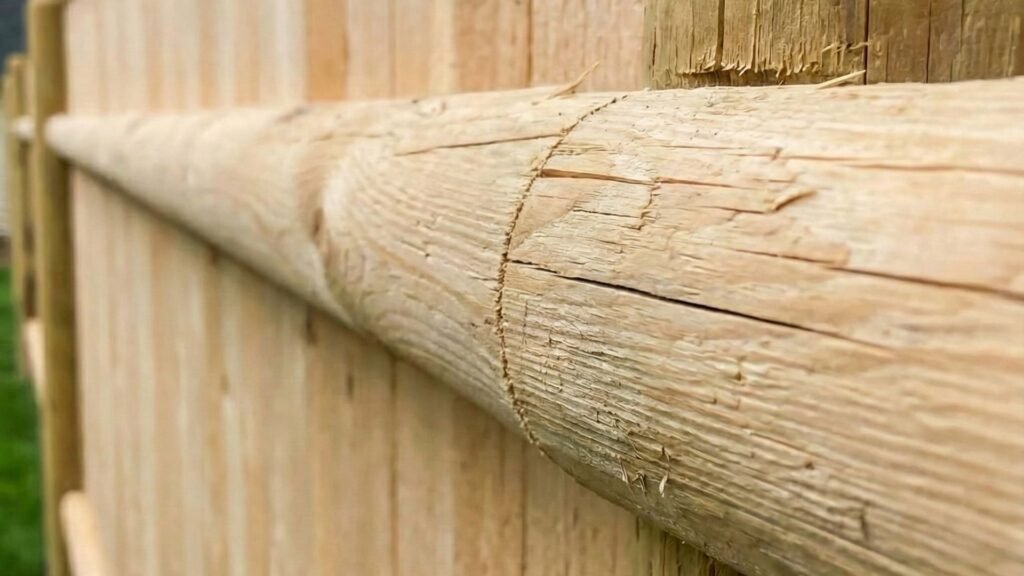
We avoid wood fencing for most pet applications because dogs can damage it through chewing, scratching, and general wear. Wood also requires ongoing maintenance that most pet owners don’t want to deal with. Chain link can work in some situations, but the climbing potential makes it unsuitable for athletic dogs.
Our Pet Fencing Installation Process
Every pet fencing project starts with a detailed consultation where we meet your dogs and assess your property. We need to understand your pets’ personalities, energy levels, and any specific behaviors that might affect fence design.
During the site visit, we evaluate your yard’s slopes, soil conditions, and any unique challenges. Connecticut and New York properties often have rocky soil, steep grades, or wet areas that require special installation techniques. We also identify any underground utilities and make sure we’re complying with local setback requirements.
The design phase involves creating a custom plan that addresses your specific needs. We consider factors like your dogs’ jumping ability, digging tendencies, size, and temperament. We also factor in your aesthetic preferences and any homeowner association requirements.
Installation begins with precise marking and utility location. We dig post holes to appropriate depths for your soil conditions, typically going below the frost line to prevent heaving. For digger-prone areas, we excavate additional space for underground barriers.
Post setting uses concrete footings sized for your fence height and local soil conditions. We allow proper curing time before installing fence panels, which is critical for long-term stability.
Panel installation includes all the pet-specific features we’ve designed into your system. This might include bottom barriers, top deterrents, or special spacing requirements. We pay careful attention to gate alignment and hardware installation since these are critical failure points.
Final inspection includes testing all moving parts and walking the entire perimeter to ensure there are no gaps or potential problem areas. We also provide you with specific care instructions for your new fence.

Common Pet Fencing Questions We Get
Homeowners always ask us whether invisible fencing might be easier than physical barriers. Here’s our honest answer: invisible fencing doesn’t work for many dogs, and it definitely doesn’t keep other animals or people out of your yard. Physical barriers provide complete containment and security that electronic systems simply can’t match.
Another frequent question is about height requirements for different dog breeds. While general guidelines exist, we’ve seen too much variation within breeds to make blanket recommendations. A six-foot fence might contain most Golden Retrievers, but we’ve met individual dogs of the same breed who could clear eight feet. That’s why we evaluate each dog individually.
Maintenance requirements vary significantly by material choice. Vinyl fencing requires almost no maintenance beyond occasional washing. Aluminum needs periodic inspection of hardware and maybe touch-up painting every ten to fifteen years. Wood requires regular staining and repair, which is why we usually steer pet owners toward lower-maintenance options.
Cost questions come up frequently, and the honest answer is that quality pet fencing costs more upfront than basic fencing. However, the total cost over time is often lower because you’re not dealing with escape incidents, property damage, or repeated repairs. Most of our pet fencing installations pay for themselves within a few years through reduced veterinary bills and avoided liability issues.
Many people wonder about future modifications if they get new pets or their current dogs age and change behavior. We design our systems with flexibility in mind whenever possible. Adding height extensions or modifying gate systems is usually straightforward if your needs change.
Why Connecticut and New York Properties Need Special Consideration
Fencing in Connecticut and New York comes with unique challenges that affect pet containment systems. Our freeze-thaw cycles are particularly hard on fence installations. Posts that aren’t properly set below the frost line will heave and shift, creating gaps that pets can exploit.
Soil conditions vary dramatically across our region. Some areas have rocky, well-draining soil that’s easy to dig in. Other locations have clay that becomes muddy in spring and hard as concrete in winter. We adjust our installation techniques based on your specific soil conditions to ensure long-term stability.
Wildlife considerations are important for pet safety. Coyotes, bears, and other animals move through many of our neighborhoods. A properly designed pet fence not only keeps your dogs in but also helps keep potentially dangerous wildlife out of your immediate yard area.
Local regulations affect fence height, setback requirements, and permit needs. We handle all the permitting and make sure your installation complies with local codes. This includes working around wetland buffers, steep slope regulations, and homeowner association requirements that are common in our area.
Property layouts in Connecticut and New York often include mature trees, stone walls, and sloped areas that require creative fencing solutions. We’ve developed techniques for working around these features while maintaining security and aesthetics.

What to Expect Working with My Fence Guy
When you call us about pet fencing, you’re getting more than just a fence installation. You’re working with a team that understands both dogs and fencing, which is a surprisingly rare combination in our industry.
We start every project with a conversation about your specific situation. What breeds do you have? What behaviors are you dealing with? What’s your yard like? Have you tried other solutions? This information helps us design a system that actually works for your circumstances.
Our estimates are detailed and honest. We explain exactly what we’re recommending and why. If your dogs don’t need expensive features, we won’t try to sell them to you. If they do need specialized solutions, we’ll explain why those investments make sense.
During installation, we communicate regularly about progress and any issues we encounter. Connecticut and New York soil often contains surprises like ledge rock or old foundations that can affect timing. We keep you informed rather than leaving you wondering what’s happening.
We stand behind our work with comprehensive warranties that cover both materials and installation. More importantly, we’re available after installation if you need adjustments or have questions about your system.
Our goal is building fencing that works so well you forget about pet containment concerns. When dogs are safely contained and happy in their yard, everyone’s stress level goes down significantly.

Real Solutions for Real Pet Problems
We’ve been building pet fencing since 2022, and we’ve learned that every situation is unique. We’ve contained escape artists who had defeated multiple previous fencing attempts. We’ve built systems for families with multiple dogs of different sizes and energy levels. We’ve worked with rescue dogs whose histories made standard containment impossible.
The common thread in all successful pet fencing projects is attention to detail and understanding dog behavior. A fence that looks perfect but has a single weak point will fail with a determined dog. That’s why we focus on creating complete containment systems rather than just installing barriers.
We also understand that pet fencing is about peace of mind for families. When you can let your dogs out without worrying about escapes, everyone enjoys the yard more. Dogs get better exercise and mental stimulation, and owners get to relax instead of constantly watching for potential problems.
Our approach combines traditional fencing techniques with modern materials and pet-specific modifications. We’re not reinventing fencing, but we are applying it thoughtfully to solve specific containment challenges.
Every pet fencing project we complete makes us better at understanding what works and what doesn’t. We apply these lessons to new projects, which means our systems keep improving over time.
Getting Started with Your Pet Fencing Project
If you’re tired of worrying about your pets’ safety or dealing with escape incidents, it’s time to consider professional pet fencing. The investment in a properly designed system pays dividends in reduced stress and improved quality of life for both you and your dogs.
Our process starts with a simple phone call where we discuss your situation and schedule a property visit. During this consultation, we meet your pets, evaluate your yard, and develop a customized approach that addresses your specific needs.
We provide detailed written estimates that explain exactly what we’re recommending and why. There are no hidden costs or surprise charges. The price we quote is the price you pay, and we include everything needed for a complete installation.
Scheduling is flexible to work around your availability. We understand that having contractors on your property can be disruptive, so we work efficiently to minimize inconvenience while ensuring quality results.
Most pet fencing projects are completed in one to two days, depending on size and complexity. We clean up thoroughly after ourselves and provide you with care instructions for your new fence.
The best part about working with My Fence Guy is that you’re getting honest advice from people who understand both fencing and pets. We won’t oversell you on features you don’t need, but we also won’t cut corners on solutions that are critical for your situation.
Ready to give your pets the safe, secure yard they deserve?
Call us at (203) 746-1100 for a free consultation. We’ll evaluate your property and design a custom pet fencing solution that actually works for your dogs and your budget.