Agricultural Fencing That Actually Keeps Your Livestock Safe and Secure
You need fencing that can handle everything your animals throw at it, from determined goats to heavy cattle. We build agricultural fencing systems that last for decades, not years.


30+
Years of Experience
When You Need Agricultural Fencing That Won’t Let You Down
Maybe you’ve been there before. You wake up one morning to find your cattle wandering down the road, or your goats have somehow escaped again despite what you thought was a solid fence. Perhaps you’re dealing with predators getting into your chicken coop, or your horses keep getting cuts and scrapes from old, dangerous fencing that should have been replaced years ago.
At My Fence Guy, we understand that agricultural fencing isn’t just about marking property lines. It’s about keeping your animals safe, protecting your investment, and giving you peace of mind. When your livelihood depends on keeping livestock contained and secure, you can’t afford to mess around with cheap materials or inexperienced installers.
We’ve been building agricultural fencing throughout Connecticut and New York since 2022, and we’ve seen every challenge these rural properties can throw at us. Rocky soil that breaks post drivers, steep slopes that make installation tricky, and weather conditions that test even the strongest materials. But here’s what we’ve learned: the right fencing system, properly installed, can handle all of it.
Our agricultural fencing solutions aren’t one-size-fits-all because your farm isn’t like everyone else’s. Whether you’re running cattle on rolling pastures, keeping goats contained in smaller paddocks, or protecting valuable horses in show-quality facilities, we design and build fencing systems that match your specific needs.
What Makes Agricultural Fencing Different
Agricultural fencing has to do things that regular residential fencing never has to handle. Your animals are going to test every weak point, whether that’s a curious horse investigating a new fence line or a determined bull deciding he wants to visit the neighbor’s pasture.
The key difference is in both the materials and the installation approach. Agricultural fencing typically uses heavier gauge wire, stronger posts set deeper into the ground, and specialized hardware designed to handle the constant pressure and movement that comes with livestock. We’re not just building a barrier, we’re building a system that has to work 24/7, 365 days a year.
Then there’s the practical side that many contractors don’t think about. Your fencing needs to work with your farming operations. Gates need to be wide enough for tractors and hay equipment. Fence lines should follow natural terrain to minimize erosion and make maintenance easier. Corner posts and bracing have to handle the tension of long wire runs without shifting or leaning over time.
We also consider what happens when things go wrong. Because they will. A tree might fall on your fence during a storm, or a spooked animal might run into a section of wire. Good agricultural fencing is designed so these incidents cause minimal damage and can be repaired quickly without compromising the entire system.


The Animals We Fence For
Every type of livestock has different fencing requirements, and what works perfectly for cattle might be completely wrong for goats. We’ve built fencing systems for just about every farm animal you can think of, and we know what works and what doesn’t.
Cattle fencing needs to be strong and visible. Cows are big, powerful animals, but they’re also creatures of habit. Once they learn where the fence line is, they typically respect it. We usually recommend four or five-strand barbed wire or woven wire fencing with good visibility markers. Height isn’t usually the main concern since cattle aren’t jumpers, but the fence needs to be robust enough to handle a 1,500-pound animal deciding to scratch against a post.
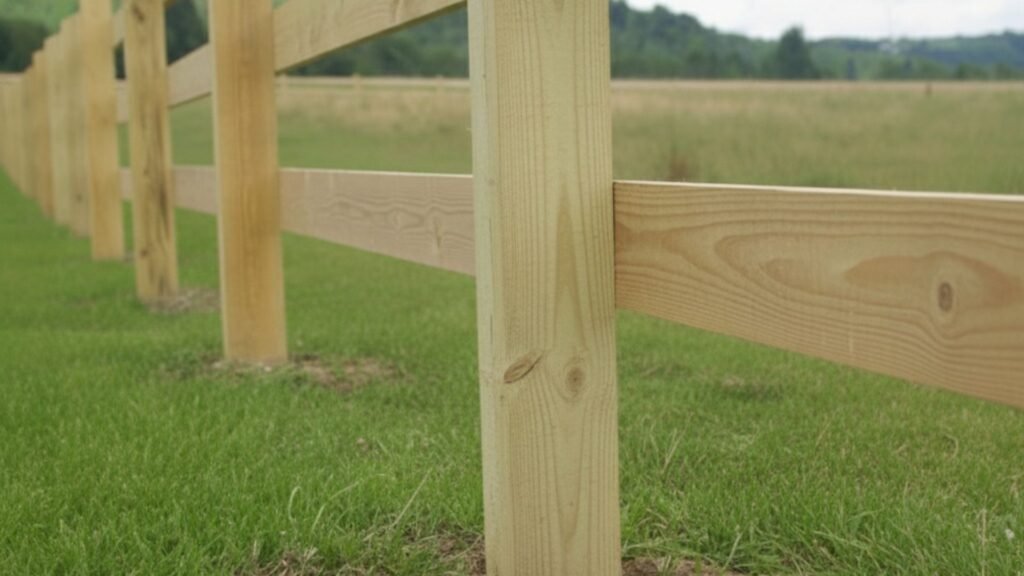
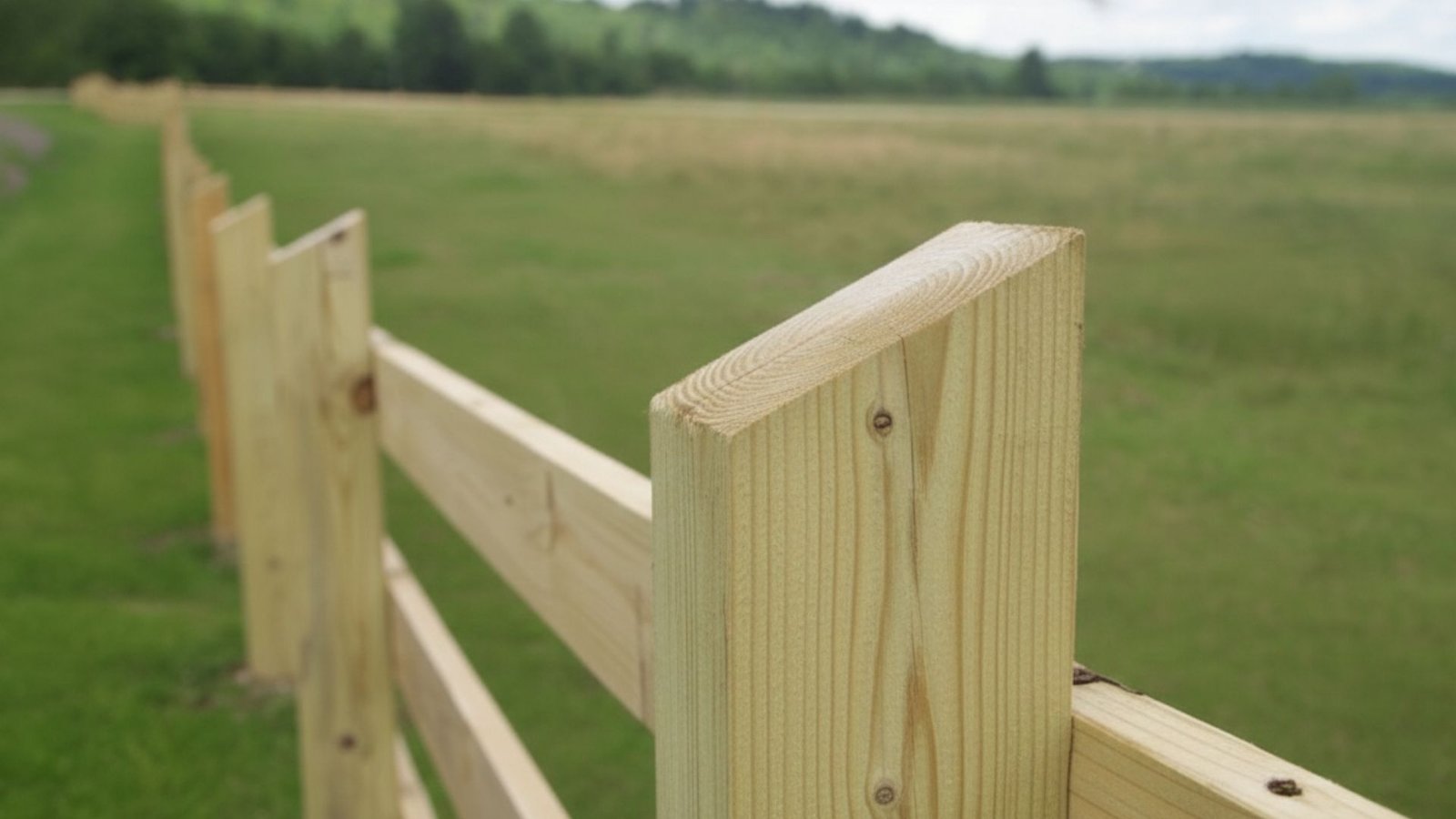
Horse fencing is all about safety and visibility. Horses can see wire fencing and will usually respect it, but if they get spooked and run into it, you need materials that won’t cause serious injury. We often recommend no-climb mesh or rail fencing for horses, especially in areas where they might be running or playing. The last thing you want is a valuable horse getting a leg caught in fence mesh or cutting itself on sharp edges.
Goat fencing is probably the most challenging because goats are escape artists. They’ll test every weak point, find every gap, and if they can get their head through an opening, the rest of their body will follow. We use tight-mesh woven wire with smaller openings and make sure the bottom of the fence is tight to the ground. Goats are also climbers, so fence height matters more than with other livestock.
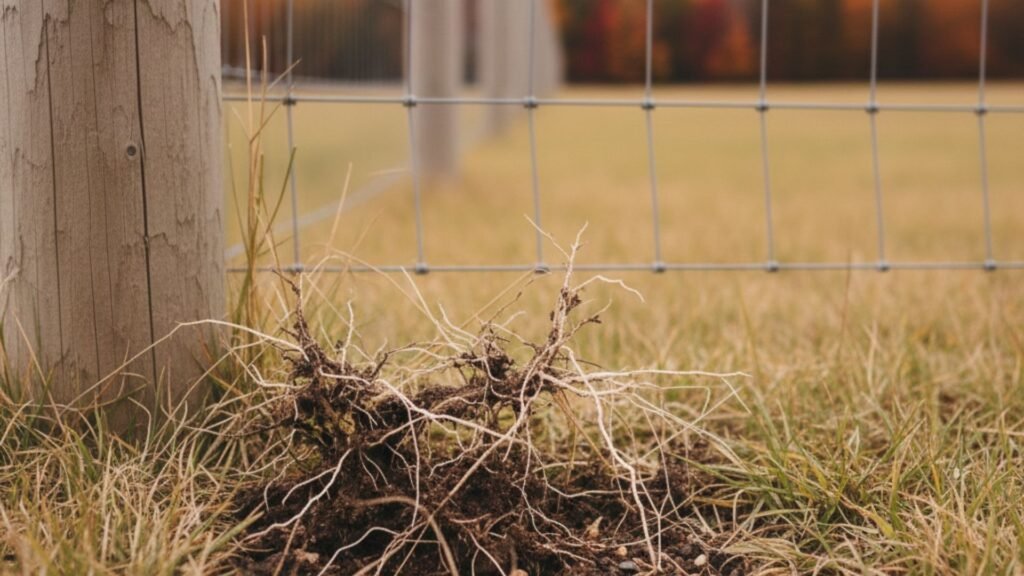
For poultry, we’re not just keeping birds in, we’re keeping predators out. That means fencing that goes into the ground to stop digging predators, overhead protection from hawks and owls, and mesh small enough that even determined raccoons can’t squeeze through.


Materials That Stand Up to Farm Life
The materials we use for agricultural fencing have to handle conditions that would destroy regular residential fencing in a matter of months. Constant animal contact, weather exposure, and the mechanical stress of wire under tension mean every component needs to be built for the long haul.
For posts, we typically use either treated wood or galvanized steel, depending on the application and your preferences. Treated wood posts offer good value and are easy to work with, but they do have a limited lifespan, especially in wet conditions. Steel posts last longer and can handle more abuse, but they’re more expensive upfront. We help you make the right choice based on your specific situation and budget.
How Far We’ll Actually Drive
Wire selection is critical. Cheap wire might save money upfront, but it stretches, breaks, and loses tension over time. We use high-tensile wire when appropriate because it maintains tension better and requires less maintenance. For livestock that might injure themselves on wire, we might recommend woven wire mesh or even vinyl-coated options.
Hardware might seem like a small detail, but it’s actually one of the most important parts of the system. Cheap staples pull out, inferior insulators break down in sunlight, and low-grade tensioning hardware fails just when you need it most. We use galvanized hardware throughout, with stainless steel components in high-stress applications.
Even the way we attach wire to posts matters. Some contractors just staple wire tightly to posts, but that creates stress points where the wire is most likely to break. We use proper tensioning techniques and hardware that allows the wire to move slightly while maintaining overall fence integrity.

Installation That Gets It Right the First Time

Agricultural fencing installation isn’t just about digging holes and stringing wire. It’s a process that starts with understanding your property, your animals, and your long-term plans. We’ve learned that cutting corners during installation always costs more in the long run.
We start every project with a thorough site visit. We need to understand your terrain, soil conditions, drainage patterns, and how you use your land. Are there areas that get wet in spring? Rocky outcrops that will affect post placement? Existing trees or structures that need to work with the fence line? All of this affects how we design and install your fencing system.
We also handle repairs and post placement is critical. Corner and end posts carry most of the load in a wire fence system, so they get extra attention. We dig them deeper, often use larger posts, and install proper bracing to handle years of wire tension. Line posts are spaced according to the type of wire and terrain, but we never space them too far apart just to save money, for existing commercial fencing. Chain link that’s been damaged by vehicles or weather. Gates that need adjustment or hardware replacement. Sections that need to be modified for new access requirements or security concerns.
When we install wire, we pay attention to proper tensioning. Too loose, and animals push through or under. Too tight, and the wire breaks at the first stress point. We use tensioning equipment to get the wire tight enough to do its job without overstressing the system.
Gates are often an afterthought, but they’re one of the most-used parts of your fence system. We install gates with proper hardware, adequate bracing, and attention to daily use patterns. A gate that sags or becomes difficult to operate defeats the purpose of having good fencing.

Why Choose My Fence Guy for Your Agricultural Fencing


When your animals’ safety and your operation’s success depend on your fencing, you need contractors who understand both the technical requirements and the practical realities of farm life. We’re not just fence installers, we’re people who understand that agricultural fencing is an investment in your livelihood.
We’ve been building fences since 2022, and we focus specifically on the unique challenges of Connecticut and New York properties. We know how to deal with rocky New England soil, seasonal frost heave, and the specific requirements that come with farming in this region. We’re licensed and insured, which protects both you and us during the installation process.
What sets us apart is our commitment to understanding your specific needs. We don’t show up with a one-size-fits-all solution. We listen to your concerns, look at your property and animals, and design a fencing system that makes sense for your operation. If you’re planning to expand your herd or change your grazing patterns in the future, we factor that into our recommendations.
We also stand behind our work. Agricultural fencing is a long-term investment, and we want you to be happy with it for years to come. We use quality materials from trusted suppliers, follow proper installation techniques, and we’re available if you need adjustments or repairs down the road.
Our pricing is straightforward and honest. We give you a detailed written estimate that breaks down materials, labor, and any additional work needed. No surprises, no hidden costs, and no pressure to buy extras you don’t need.


Planning Your Agricultural Fencing Project
Every good agricultural fencing project starts with proper planning. We work with you to make sure your new fence system integrates with your existing operations and supports your future plans.
First, we need to understand your animals and how you manage them. Are you doing rotational grazing that requires temporary fencing sections? Do you need to separate different types of animals? Are there specific areas where predator pressure is higher? Do you have breeding animals that need special containment? All of these factors influence fence design and placement.
We also look at your property’s practical requirements. Where do you need gates for equipment access? How does the fence line work with your existing buildings and roads? Are there utilities we need to work around? What about drainage and erosion control? We want your new fence to make your daily operations easier, not more complicated.
Timing matters too. We prefer to do agricultural fencing installation when ground conditions are good and when it won’t interfere with critical farming activities. We can work around your schedule for things like breeding seasons, hay harvest, or other time-sensitive operations.
Budget planning is always part of the conversation. Good agricultural fencing is an investment, but it doesn’t have to break the bank. We can often phase projects so you get the most critical areas fenced first, then expand the system as budget allows. We also help you understand the long-term costs, because a slightly more expensive system that lasts twice as long often costs less over time.


Common Agricultural Fencing Questions
Over the years, we’ve answered thousands of questions about agricultural fencing. Some questions come up so often that we think it’s worth addressing them upfront.
How long does agricultural fencing last? That depends entirely on the materials used and the installation quality. A well-built fence with quality materials should last 20-30 years or more with basic maintenance. Cheaper materials or poor installation might only last 5-10 years before needing major repairs or replacement.
What’s the best fence for multiple types of animals? This is a common challenge on smaller farms. Generally, you design for your most demanding animal. If you have both cattle and goats, the fence needs to contain the goats because they’re the escape artists. If you have horses and cattle together, safety requirements for horses usually drive the design.
How much does agricultural fencing cost? There’s no simple answer because every project is different. A basic barbed wire fence for cattle costs much less per foot than specialized horse fencing or predator-proof poultry enclosures. We always provide detailed written estimates so you know exactly what you’re paying for.
Can I install agricultural fencing myself? Some people do, but there are good reasons to hire professionals. Proper tensioning, corner bracing, and gate installation require experience and specialized tools. A fence that looks good initially but wasn’t installed properly will cause problems for years. When your animals’ safety and your operation’s success depend on the fence, it’s usually worth hiring people who do this every day.
Do I need permits for agricultural fencing? Requirements vary by location, but most agricultural fencing doesn’t require permits. However, if your fence affects drainage, crosses wetlands, or is near public roads, there might be requirements to consider. We help you figure out what’s needed in your specific situation.


Maintenance and Long-Term Care
Even the best agricultural fencing needs some maintenance to perform properly over time. But good fencing, properly installed, shouldn’t require constant repairs or adjustments.
Regular inspection is the key to catching small problems before they become big ones. Walk your fence lines seasonally, looking for loose wires, leaning posts, or damaged sections. After storms, check for tree damage or areas where flooding might have undermined posts. Animals sometimes damage fencing accidentally, especially if they get spooked, so keep an eye out for areas where repeated animal contact might be causing wear.
Wire tension is something that needs attention over time. New wire stretches as it settles, and seasonal temperature changes cause expansion and contraction. Most fencing systems need retensioning after the first year, then occasionally thereafter. We show you how to recognize when a wire needs attention and how to make basic adjustments safely.
Vegetation management is often overlooked, but important for fence longevity. Brush growing into fence lines can damage wire and posts over time. For electric fencing systems, vegetation contact can cause shorts that reduce system effectiveness. A little bit of trimming and clearing each year prevents bigger problems later.
When repairs are needed, address them promptly. A small section of damaged wire can quickly become a bigger problem if animals find the weak spot. Most basic repairs are straightforward, but don’t hesitate to call us for guidance if you’re not sure about the best approach.

Ready to Get Started?


If you’re tired of dealing with inadequate fencing that doesn’t keep your animals safe and secure, it’s time to talk about a real solution. Good agricultural fencing is an investment in your operation’s success and your peace of mind.
We’d be happy to come out and look at your property, discuss your needs, and explain how we can help. There’s no charge for estimates, and no pressure to move forward until you’re completely comfortable with the plan.
Every agricultural fencing project is different, so the best way to get accurate information is to have a conversation about your specific situation. We can usually schedule a site visit within a few days, and we’ll have a detailed written estimate to you quickly after that.
Don’t let inadequate fencing continue to cause problems for your operation. Give us a call at (203) 746-1100, and let’s talk about building a fencing system that actually works for you and your animals.

Ready for agricultural fencing that keeps your livestock safe and secure?
Call My Fence Guy at (203) 746-1100 for a free consultation and estimate.