Does a New Fence Need to Be Inspected in Ridgefield CT?
You’ve finally decided to add that privacy fence around your backyard, but now you’re wondering what comes next. Will someone from the town show up to inspect every post hole? How long will your yard look like a construction zone? And what about those stories you’ve heard about neighbor disputes over fence placement? These questions keep many Ridgefield homeowners from moving forward with fencing projects they genuinely need. The good news is that while Ridgefield does require zoning permits for new fences, the inspection process follows a predictable pattern that typically limits yard disruption to just 3-7 days of actual work. Understanding what triggers inspections, whether your project falls under simple or complex categories, and how Connecticut’s spite fence laws protect property owners can turn what seems like an overwhelming bureaucratic process into a straightforward path to getting your fence installed. Whether you’re planning a basic rear yard privacy fence or dealing with corner lot visibility requirements, knowing the specific steps for your situation helps you plan realistically for timing, costs, and what to expect when officials do visit your property.
Key Takeaways
- Inspection requirements vary by fence specifications: Zoning reviews happen before and after installation for setback compliance (typically 3-10 feet from property lines) and height restrictions (6 feet maximum in rear yards), but simple under-6-foot residential fences often skip formal final inspections if pre-approved.
- Permitting precedes yard disruption: The 10-30 day Ridgefield zoning approval process identifies potential issues early, keeping actual on-site mess limited to post hole locations only and minimizing the time your yard looks torn up.
- Active work timeline stays short: Professional installations typically complete digging and setting posts in 1-2 days, allow 24-48 hours for concrete curing, then attach panels over another 1-2 days, totaling just 3-5 days of construction activity regardless of permit timing.
- Connecticut spite fence laws provide neighbor protections: State statutes CGS §52-480 and §52-570 specifically block malicious fence construction that harms neighbor views or property use without providing actual benefit to the fence owner, giving courts authority to order removal.
- Corner lot rules enforce stricter standards: Properties near road intersections face sight triangle limitations that restrict fence heights to 3 feet or less near roadways, with safety inspections verifying compliance.
- State building codes supplement local requirements: While Connecticut lacks uniform statewide fence regulations, adopted International Building Code provisions trigger building permits and structural inspections for fences with deep footings or heights exceeding 4-6 feet.
Understanding Fence Inspection Requirements in Ridgefield CT
Ridgefield operates under a permit and inspection system designed to verify fence compliance before problems develop rather than after neighbors complain. Unlike some Connecticut towns that primarily react to violations, Ridgefield’s Planning and Zoning Commission requires upfront permits for most new fence installations. This approach addresses setback requirements, height limitations, and visibility concerns at road intersections before you invest time and money in installation.
The inspection process adapts to each project’s complexity rather than applying identical scrutiny to every fence. A straightforward 6-foot privacy fence along your back property line faces different review standards than a corner lot installation near a busy intersection. Connecticut’s reliance on municipal codes rather than uniform state fence laws means that what applies in Ridgefield may differ substantially from neighboring towns, making local consultation necessary before starting any project.
State spite fence statutes add another layer of protection by giving officials authority to review whether a proposed fence serves legitimate purposes or mainly intends to annoy neighbors. These Connecticut General Statutes provisions come into play primarily when fence height, placement, or design seems excessive relative to any practical benefit the owner gains. Inspections focus on code compliance for standard projects but can expand to malicious intent review when circumstances raise red flags.
Local Ridgefield Codes and Inspection Triggers
Ridgefield’s zoning regulations establish specific thresholds that determine inspection requirements. The town typically requires site plan submissions showing property boundaries, existing structures, and proposed fence locations before issuing permits. Side yard setbacks commonly range from 3-5 feet from property lines, though exact distances vary based on your lot’s zoning classification and whether previous variances apply.
Front yard fences face the most restrictions, with maximum heights often capped at 4 feet to maintain neighborhood sight lines and aesthetic consistency. Rear yard installations allow up to 6 feet in most residential zones without special approval. Corner properties must satisfy additional visibility requirements, keeping fences low enough near intersections that drivers maintain clear views of approaching traffic from all directions.
Ridgefield’s Section 7.15 zoning amendments detail these height and setback standards along with prohibited materials like barbed wire in residential areas. Inspectors verify compliance by measuring actual installation against approved site plans, checking that corner sight triangles remain clear, and confirming fence materials match what was permitted. Most residential projects receive approval within 10-20 business days if applications include complete site plans and meet standard setback requirements without requesting variances.
National vs. Northeast CT Inspection Timelines
Fence installation timelines vary significantly between regions with minimal regulations and Connecticut towns with detailed municipal codes. In areas without permit requirements, contractors can often complete simple residential fences in 1-3 days from start to finish. Ridgefield projects add permitting and potential inspection delays that extend total timelines to 3-6 weeks, though actual construction disruption remains comparable at 3-5 days of on-site work.
Northeast factors like rocky soil conditions, frost depth requirements, and winter weather restrictions affect Connecticut installation schedules in ways that don’t apply to southern or western states. Post holes must extend 36-48 inches deep to prevent frost heaving, requiring more time and equipment than shallow installations in warmer climates. These regional considerations influence both the physical work timeline and inspection points where officials verify proper depth and concrete placement.
Understanding the difference between permit processing time and actual yard disruption helps set realistic expectations. While Ridgefield’s approval process may take several weeks, most of that time involves paperwork review rather than construction activity. Your yard experiences significant activity only during the 3-7 day installation window when contractors dig, set posts, and attach fencing panels.
Typical Timeline Ranges by Project Scope
Simple residential fence projects in Ridgefield follow a predictable sequence once you understand local requirements. Standard rear yard privacy fence installations typically need 1-3 weeks for zoning permit approval, followed by 3-5 days of on-site construction work. Optional final inspections may add a half-day site visit but don’t necessarily delay your ability to use the fence.
Complex installations involving corner lots, pool enclosures, or variance requests extend timelines to 4-6 weeks total. The additional time primarily affects permit processing rather than construction duration, as variance hearings require public notification periods and commission meeting schedules. Once approved, even complex projects typically complete physical installation within 3-5 days for standard residential sizes.
Chain link and vinyl fence installations often proceed faster than wood privacy fences because pre-fabricated components reduce on-site labor. A 100-foot chain link fence might install in 1-3 days after permits clear, while comparable wood privacy fencing takes 3-5 days due to more intensive post-setting and panel attachment requirements. Material choice affects construction speed but rarely changes permit processing timelines.
Day-by-Day Breakdown Models
Understanding what happens each day during installation helps you plan around the process. Pre-construction activities include utility location services through 811, which Connecticut law mandates before any digging. Contractors spend Day 1 marking fence lines, verifying property boundaries match site plans, and beginning post hole excavation.
Day 2 focuses on setting posts in concrete and bracing them level while the material cures. This 24-48 hour curing period represents the main delay between visible progress stages. Contractors may start digging additional holes during curing time to maintain efficiency. Days 3-4 involve attaching fence panels or rails, installing gates, and completing any finish work like post caps or trim pieces.
Inspections typically occur either after posts set but before panel attachment, or after complete installation depending on your permit conditions. Building Department officials schedule visits based on construction stage requirements specified in your permit. Projects requiring variance approval or involving unique conditions like steep slopes may need additional inspection points, adding a day or two to the overall timeline.
Key Steps in the Fence Permit and Inspection Process
Ridgefield’s fence permitting follows a structured sequence designed to catch potential issues before construction begins. The process starts with Planning and Zoning Department consultation to confirm your project complies with zoning regulations for your specific property. Bringing a rough site sketch to this initial meeting helps officials quickly identify any obvious concerns about setbacks, heights, or special conditions affecting your lot.
The core permitting sequence moves from application submission through zoning review, possible variance hearings if needed, permit issuance, construction, and final inspection. State building codes adopted by Connecticut supplement Ridgefield’s local requirements, particularly for tall fences or those with substantial footings. Understanding which standards apply to your specific project prevents surprises during the inspection process.
Most residential fence projects follow the simpler zoning permit track without triggering full building permit requirements. The distinction matters because building permits involve additional review, potentially higher fees, and more rigorous inspection protocols. Your fence specifications determine which approval path applies.
Permit Application and Pre-Checks
Complete permit applications include scaled site plans showing property boundaries, existing structures, proposed fence location with dimensions, and materials specifications. Ridgefield charges fees typically ranging from $50-150 depending on project scope, though complex applications requiring variance review may cost more. Submitting professional surveys rather than hand-drawn sketches speeds approval by eliminating boundary questions that often delay processing.
Pre-application zoning consultations let you verify setback requirements and height limits before finalizing fence plans or purchasing materials. These meetings cost nothing and potentially save thousands by identifying problems while designs remain flexible. Officials can explain which aspects of your project need detailed documentation versus elements that satisfy standard requirements automatically.
The 811 utility location requirement applies regardless of permit status. Calling at least three business days before digging triggers free utility marking services that protect underground lines and prevent service disruptions. Contractors cannot legally begin excavation without utility clearance, and inspectors verify 811 compliance as part of their site review process.
Installation with Inspection Points
Post hole excavation follows utility clearance and proceeds according to approved site plans. Connecticut frost depth requirements mandate 36-48 inch deep holes for permanent fence installations, preventing winter freeze-thaw cycles from heaving posts out of alignment. Contractors typically dig holes slightly wider than posts to allow concrete collars that anchor installations against wind and impact forces.
Setting posts involves positioning them vertically, filling holes with concrete, and bracing posts level while material cures. The standard 24-48 hour cure time cannot be shortened safely, as premature load on partially cured concrete causes cracking and instability. Some projects receive mid-installation inspections at this stage, with officials verifying post depth, spacing, and concrete placement before panel attachment proceeds.
Panel installation completes the visible fence structure. Building Department inspectors schedule final reviews for projects requiring them, typically focusing on overall height compliance, setback accuracy, and gate operation if applicable. Simple residential fences meeting all pre-approved specifications often skip this final inspection step, with permit closeout occurring automatically after contractors submit completion certification.
Post-Install Inspection and Approval
Final inspections verify that completed fences match approved plans without deviations that could violate zoning requirements. Inspectors measure heights at multiple points along the fence line, confirm setbacks from property boundaries, and check corner installations for sight line compliance. Any discrepancies between permitted plans and actual construction must be corrected before receiving final approval.
Ridgefield zoning compliance extends beyond initial installation to ongoing maintenance requirements. Fences must remain in good repair without becoming safety hazards, though inspections don’t routinely verify maintenance unless complaints trigger review. Property owners remain responsible for ensuring fences don’t deteriorate into nuisance conditions that violate health and safety codes.
Sign-off procedures vary based on project complexity. Simple installations meeting all standard requirements often receive automatic approval once contractors submit completion documentation. Complex projects involving variances or special conditions may require formal inspection reports and commission notification before final approval. Understanding which category your fence falls into helps you anticipate whether active inspection participation is necessary or if administrative closure suffices.
Additional Steps for Complex Ridgefield Installs
Corner lot locations, pool enclosures, and situations involving neighbor disputes add layers to the standard fence permitting process. These complications don’t necessarily prevent installation but do require additional documentation, longer approval timelines, and potentially more rigorous inspection protocols. Recognizing complex project indicators early helps you plan appropriately for extended timelines and possible design modifications.
Connecticut’s spite fence laws become particularly relevant in dense suburban areas like Ridgefield where property lines often sit close together. CGS §52-480 provisions give courts authority to review fence projects that neighbors claim serve no legitimate purpose beyond blocking views or creating annoyance. These legal protections work both ways, preventing malicious fence construction while also defending property owners installing reasonable barriers against unfounded neighbor objections.
Pool fencing triggers specific safety requirements under Connecticut law, including self-closing gates, minimum heights, and maximum gap specifications. These installations automatically receive closer inspection scrutiny because safety stakes are higher. Similarly, fences affecting drainage patterns or located on steep slopes face additional engineering review to prevent erosion or water flow problems.
Handling Corners, Pools, and Spite Concerns
Corner lot installations must satisfy sight triangle requirements that limit fence heights within defined distances from intersection points. Typical regulations restrict fences to 3 feet or lower within triangular zones measured from the corner, ensuring drivers maintain clear views of crossing traffic. These measurements vary based on road classifications and speed limits, requiring specific dimensional calculations for each corner location.
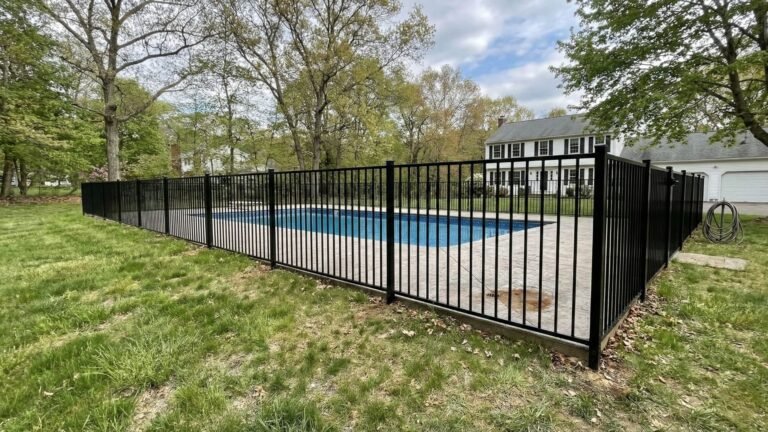
Pool barrier requirements follow state safety codes mandating 4-foot minimum heights, self-latching gates that open outward, and maximum 4-inch gaps between vertical fence members. Inspectors specifically verify these safety features during final reviews because non-compliant pool enclosures create drowning hazards. Even if your fence isn’t primarily for pool enclosure, having a pool on the property may trigger these requirements if the fence could provide access to water.
Spite fence considerations arise when projects involve unusually tall barriers, solid construction blocking views where neighboring properties traditionally enjoyed sight lines, or designs serving no apparent practical purpose for the installing property owner. Connecticut courts evaluate these situations by examining whether fences harm neighbor property use or value without providing equivalent benefit to the builder. Malicious intent alone doesn’t violate spite fence laws, but harmful effects combined with minimal owner benefit can trigger removal orders.
Yard Restoration Post-Inspection
Construction inevitably disrupts lawn and landscaping even with careful contractors. Professional installers minimize damage by using equipment sized appropriately for residential yards and limiting access paths to necessary routes. Post-construction cleanup includes removing dirt from digging, disposing of packaging and cut materials, and reseeding any areas damaged during installation.
Restoration timelines depend on growing season and grass type. Spring and fall installations allow quicker lawn recovery than mid-summer work during dormant grass periods. Most contractors include basic cleanup in their project bids but may charge separately for extensive landscape restoration if conditions require significant repair work beyond normal installation impacts.
Final walkthroughs before inspector approval often involve quick alignment checks and stability tests. Inspectors may pull gently on fence sections to verify posts set firmly, check gate swing and latch operation, and confirm panels attach securely without obvious weak points. These practical tests supplement dimensional compliance verification and help ensure fences will perform safely over time.
Permits, Zoning Variations, and Spite Laws in Ridgefield CT
Connecticut’s approach to fence regulation differs substantially from states with uniform statewide codes. Rather than a single set of rules applying everywhere, municipalities control most fencing standards through local zoning ordinances. This system means Ridgefield’s specific requirements may differ from adjacent towns despite similar suburban character and property types.
State involvement comes primarily through adopted building codes for structural elements and specific safety statutes like pool barrier requirements. The Connecticut State Building Code incorporates International Building Code provisions that trigger permits and inspections for tall fences or those with substantial footings. These state standards set minimum requirements that municipalities can exceed but not reduce.
Spite fence laws represent one area where state statutes provide uniform protection across Connecticut. These provisions prevent malicious construction regardless of local zoning compliance, giving courts authority to order removal of fences that meet dimensional requirements but serve primarily to harm neighbors. The dual system of local zoning plus state statutes creates multiple review layers for complex projects.
Zoning Coordination and Spite Protections
Ridgefield-specific setback requirements vary by zoning district and property configuration. Standard residential zones typically mandate 3-5 foot side yard setbacks, with front yards requiring greater distances to maintain streetscape openness. Rear yards often allow fences closer to property lines since neighboring rear yards back up to each other rather than creating street visibility concerns.
Material restrictions in residential areas prohibit barbed wire, electrified fencing, and certain industrial chain link styles that don’t match neighborhood character. These aesthetic provisions recognize that fences significantly affect community appearance and property values beyond the installing owner’s lot. Inspectors verify material compliance along with dimensional requirements during their site reviews.
Connecticut General Statutes §52-480 empowers courts to issue injunctions against fence structures erected maliciously to annoy neighbors or injure their property rights. The statute requires proof that fences harm neighbor interests without providing equivalent utility to builders. This legal standard protects both property owners who need legitimate barriers and neighbors from truly spiteful construction that serves no practical purpose.
What Homeowners Should Prepare For During Inspection Process
Understanding daily expectations during fence installation and inspection helps you plan normal life around the project. Most disruption concentrates in specific days rather than spreading evenly across the entire timeline. Knowing when contractors need yard access, when inspectors will visit, and when you can resume normal outdoor activities reduces stress and prevents scheduling conflicts.
Construction noise typically peaks during post hole digging when power augers or excavation equipment operates. This phase usually completes within 1-2 days, after which quieter hand work dominates. Panel installation produces hammering or fastening sounds but at lower intensity than initial excavation. Most residential projects generate noise levels comparable to lawn mowing rather than major construction equipment.
Dust and debris remain localized to the immediate fence line in professionally managed installations. Contractors place tarps to catch concrete spillage, pile excavated dirt away from planted areas, and remove waste materials daily rather than letting debris accumulate. These practices minimize cleanup requirements and reduce the period your yard looks like a construction site.
Daily Expectations During Install and Inspect
Limited yard access requirements vary by installation stage. Day 1 excavation needs clear paths for equipment between your driveway and the fence line, typically requiring you to keep kids and pets away from work areas. Days 2-3 during concrete curing allow resumed yard use except immediately around braced posts. Final panel installation on Days 4-5 again restricts access to active work zones.
Inspector visits usually take 30-60 minutes for standard residential projects. Building Department officials schedule appointments rather than arriving unannounced, giving you notice to be present if desired. You don’t need to accompany inspectors during their review, but being available to answer questions can speed approval if minor clarifications arise.
Weather delays affect projects primarily during concrete work when rain or freezing temperatures prevent proper curing. Contractors may pause installations mid-project if forecasts show unsuitable conditions arriving. These delays extend overall timelines but don’t increase total yard disruption since no work occurs during weather holds.
Tips to Minimize Yard Disruptions
Pre-marking property boundaries before contractors arrive prevents confusion and potential encroachment disputes. Having professional surveys or clearly visible markers lets installation crews work confidently without repeatedly consulting plans or stopping for measurement verification. This preparation keeps work flowing efficiently and reduces the total time equipment occupies your yard.
Clearing fence line areas of decorative items, hoses, sprinkler heads, and other obstacles before installation begins saves contractor time and protects your property. Items left in work zones risk damage from equipment or require crew members to pause repeatedly for removal. A few hours of preparation work can shorten installation timelines by half a day or more.
Scheduling installations during off-peak seasons when contractor availability is higher can reduce waiting times between permit approval and actual construction. Spring and fall represent busy periods for fencing companies, while winter and mid-summer often have more open schedules. Professional installers may offer better pricing during slower periods as well, creating both financial and timeline advantages for flexible homeowners.
Process Comparison Table: Simple vs. Complex Fence in Ridgefield CT
| Phase | Simple Install (Rear Privacy) | Complex Install (Corner/Pool) |
|---|---|---|
| Zoning Permit | 10-20 days for standard approval | 20-30 days with variance hearings or special conditions |
| On-Site Prep/Dig | 1 day for standard excavation | 1-2 days with sight line verification and deeper footings |
| Install/Cure | 2 days for setting and basic curing | 3 days for reinforced footings and extended cure time |
| Inspection/Walkthrough | Optional half-day visit for compliant projects | Full inspection plus spite fence review if applicable |
| Total Timeline | 2-4 weeks from application to completion | 4-6 weeks accounting for extended approval processes |
The timeline differences between simple and complex installations primarily affect permit processing rather than construction duration. Even elaborate corner lot projects with pool enclosures typically complete physical installation within 3-5 days once approvals clear. The extended overall timeline reflects municipal review requirements, public notice periods for variances, and potentially multiple inspection points rather than longer on-site construction activities.
Common Mistakes Homeowners Make During Fence Permitting/Inspection
Skipping site plan preparation represents the most frequent application error. Hand-drawn sketches without accurate property dimensions create review delays when officials cannot verify setback compliance from submitted drawings. Professional surveys cost $300-600 but eliminate boundary questions that otherwise stall permits for weeks while you obtain documentation.
Ignoring corner lot visibility requirements causes expensive reconstruction mandates when inspections reveal sight line violations. Installing 6-foot privacy fencing through intersection zones without confirming allowed heights wastes money on materials and labor that must be removed and replaced with compliant lower barriers. Sight triangle regulations aren’t negotiable because traffic safety concerns override property owner preferences.
Proceeding without utility location clearance risks hitting underground lines that cause service disruptions, expensive repairs, and potential safety hazards. The 811 call requirement exists specifically to prevent these outcomes. Skipping this step doesn’t just violate regulations but also voids many contractor insurance policies, leaving homeowners financially responsible for damages.
Poor documentation during spite fence disputes leaves property owners vulnerable to removal orders. When neighbors challenge fence projects as malicious, having records showing legitimate purposes like privacy needs, pet containment, or garden protection helps defend against claims. Photos of property conditions before fencing, correspondence about your reasoning, and evidence that design choices serve practical functions all strengthen your position if disputes reach court.
Preparing Your Ridgefield Property for Fence Inspection
Survey confirmation should occur before finalizing fence designs or ordering materials. Old property markers sometimes disappear or shift over time, and building without current survey verification risks installing on neighbors’ land. The cost of relocating incorrectly placed fencing far exceeds survey expenses, making this verification step financially prudent regardless of regulatory requirements.
Access path clearing for inspectors and construction crews should address both equipment needs and safety considerations. Trimming overhanging branches, removing temporary obstacles like patio furniture, and ensuring gate access to rear yards lets work proceed without interruption. Inspectors particularly appreciate clear approaches to measurement points along property lines since dense vegetation impedes their verification work.
Pre-consultation with Ridgefield’s Zoning Department provides project-specific guidance that generic research cannot match. Officials familiar with your neighborhood know typical approval issues, can flag unusual lot conditions that affect permits, and may suggest design modifications that satisfy your needs while avoiding common rejection reasons. This investment of an hour for pre-application meetings frequently prevents weeks of revision cycles after formal submissions.
Frequently Asked Questions About fence installation inspection in Ridgefield CT
Q: Does every new fence need inspection in Ridgefield?
A: Ridgefield requires zoning permits for most fences, which involve pre-installation review of site plans. Building Department inspections typically apply to fences over 6 feet tall or those with substantial footings, but simple rear yard privacy fences under 6 feet often receive approval without formal final inspections if they meet pre-approved specifications. The permitting requirement doesn’t change, but inspection intensity varies based on project complexity.
Q: How long until my yard is usable again after fence installation?
A: Most residential fence projects complete active construction in 3-5 days, with post hole areas needing 24-48 hours for concrete curing before the fence bears any load. Total yard disruption typically lasts under a week for standard installations, though permitting timelines of 10-30 days precede construction. Professionally installed projects minimize torn-up areas to the immediate fence line rather than affecting entire yards.
Q: What triggers a spite fence legal challenge in Connecticut?
A: Connecticut spite fence statutes allow neighbors to seek injunctions against fences over 6 feet tall that serve primarily to harm neighbor property use or views without providing equivalent benefit to the builder. Courts evaluate whether fences maliciously block light, air, or views in ways that damage neighbor property values while offering minimal utility to owners. Simply annoying neighbors doesn’t qualify, but useless barriers intentionally harming neighbor interests can trigger removal orders.
Q: Are corner lot fences inspected differently than standard installations?
A: Yes, corner lot fences face stricter height limitations near intersections to maintain driver sight lines. Most regulations cap corner fences at 3 feet within defined triangular zones measured from intersection points. Inspectors specifically verify these sight triangle clearances during their reviews because traffic safety concerns make corner lot compliance more critical than standard rear yard setback checks.
Q: How can I speed up the fence permit approval process in Ridgefield?
A: Submitting complete applications with professional site plans showing accurate property boundaries, existing structures, and proposed fence dimensions typically achieves fastest approvals. Pre-consultation with the Planning and Zoning Department before formal application identifies potential issues while designs remain flexible. Using licensed contractors familiar with Ridgefield’s specific requirements also helps because experienced professionals know exactly what documentation satisfies local review standards.
Final Thoughts
Ridgefield CT fence installations follow established permit and inspection protocols that protect both property owners and neighbors while keeping yard disruption to manageable 3-7 day periods. Understanding the difference between permit processing timelines and actual construction schedules helps you plan realistically around the project. Knowing which fence specifications trigger building inspections versus simple zoning compliance checks, how spite fence laws provide protections in dense suburban neighborhoods, and what corner lot visibility requirements demand gives you the information needed to avoid costly mistakes and revision orders.
The value of proper permitting and inspection compliance extends far beyond avoiding fines or removal orders. Correctly installed fences that meet all setback and height requirements prevent neighbor disputes that can poison relationships for years. Projects following proper procedures from application through final inspection also add property value rather than creating title issues that complicate future sales. Taking time to understand and follow Ridgefield’s specific requirements turns fence installation from a source of stress into a straightforward property improvement.