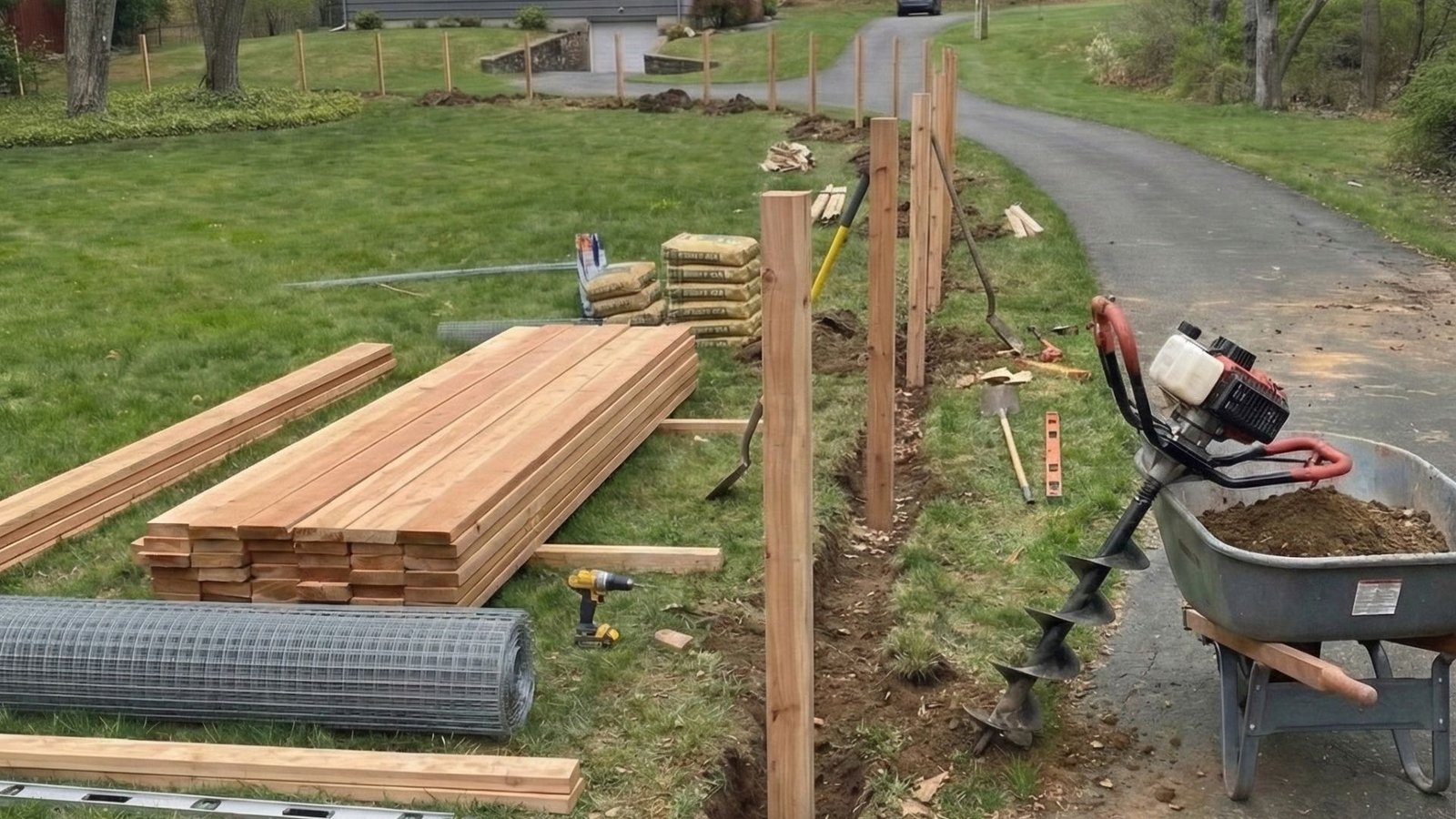
Do You Need a Permit for Fence Installation in CT?
You’ve finally decided to fence in your backyard, picked out materials, and scheduled a contractor, only to hear that town hall might need weeks to review paperwork before a single post goes in. Connecticut homeowners face this frustration constantly because fence rules vary by town rather than following one statewide code, leaving many wondering whether their project will start on time or stall behind zoning reviews and wetlands requirements.
State law also bans spite fences built maliciously to harm neighbors, adding another layer of compliance to check. Professional installers who understand local requirements can help you sidestep these delays, but the real key is knowing what your specific town demands before committing to a start date. Understanding how terrain challenges and neighbor rules interact will help you plan a realistic timeline that keeps your property functional while the work gets done.
Fence Permits in CT Overview
Local control
Local rules Fence permit rules in Connecticut are set by individual towns rather than by a single statewide fence ordinance, so requirements can differ significantly between municipalities. Many towns publish fence brochures or zoning pages that spell out when a fence is exempt, when it needs a zoning permit, and when it counts as a structure tied to the building code.
Height limits
Height thresholds Across CT, a common pattern is that typical residential fences are allowed up to about 6 feet before stricter permit or review requirements apply, with lower limits (often around 3–4 feet) in front yards and sight‑line areas. Some towns treat fences up to 6–7 feet as not requiring a building permit, while anything taller is considered a structure that triggers zoning and sometimes building permits.
Permit steps
Permit process Many towns require at least a zoning permit, and sometimes a building permit, for new or replacement fences, especially near streets, intersections, or when exceeding standard heights. Typical applications involve a site or plot plan drawn to scale, basic elevation views, details on fence height and materials, and a modest fee in the roughly $20–$60 range for residential projects.
Safety rules
Safety and visibility CT towns commonly prohibit fences that block visibility at driveways or intersections, and require lower, more open designs in those sight‑line triangles near roads. Many municipalities also restrict barbed wire, razor wire, and electrified fences in residential zones, and treat pool barriers under separate, stricter safety rules that almost always require permits.
Key Takeaways
- Town Rules Control Permits: Connecticut has no statewide building permit requirement for fences under seven feet, but most municipalities require zoning approval for heights over four to six feet, with processing times ranging from 10 to 30 days, depending on complexity and season.
- Wetlands Add Permitting Layers: Properties within 75 to 150 feet of watercourses need Inland Wetlands & Watercourses Agency review, often requiring six-inch ground clearance for wildlife passage and extending approval windows from weeks to over a month.
- Spite Fences Are Prohibited: State law forbids fences built with malicious intent to harm a neighbor’s property enjoyment, and courts can order removal of structures that primarily block views or light without reasonable justification.
- Neighbor Agreements Matter Early: Shared property lines require coordination under state fence statutes, and confirming boundaries with a survey before applying for permits can prevent mid-project disputes that leave your yard half-finished.
Understanding Fence Permit Requirements in CT
Connecticut takes a hands-off approach at the state level, leaving most fence regulation to individual towns and their zoning boards. The state building code exempts fences from requiring a state building permit because fences are not classified as habitable structures, but this exemption only covers state oversight.
What could slow down your project is the patchwork of local rules governing height, setbacks, and proximity to wetlands or roads. Each municipality has the authority to demand zoning permits, wetlands approvals, or special reviews for corner lots and pool enclosures, which means two neighbors in adjacent towns can face completely different timelines and paperwork requirements for identical fence designs.
State vs. Local Authority Breakdown
State law sets general principles around shared fence responsibilities and prohibits spite structures, but it delegates the specifics of where and how tall a fence can be to local zoning ordinances. This split creates a two-tier system where homeowners must check both state statutes for neighbor obligations and town regulations for height limits, setback distances, and permit fees.
East Hartford, for example, requires a building permit for fences over four feet and a special zoning permit for anything over six feet, while Glastonbury suggests a two-foot setback but does not require a building permit for fences up to six feet. The practical result is that you cannot assume your neighbor’s experience applies to your property, even if you live on the same street but on different sides of a town line.
Local zoning boards also control setbacks, which dictate how far your fence must sit from property lines, roads, and easements. Common formulas tie setback distances to fence height, sometimes requiring the fence to sit as far from the line as it is tall. Many towns also impose stricter rules on corner lots to preserve sight triangles for traffic safety, meaning your front-yard decorative fence may face tighter limits than your backyard privacy screen. Understanding this local layer is what separates a smooth permit process from a surprise stop-work order after your contractor has already dug post holes.
National vs. CT Permit Timelines
In many states, simple residential fences bypass permits entirely, letting contractors start work the day after a handshake agreement. Connecticut’s municipal permit structure and Northeast terrain challenges stretch this timeline considerably. Zoning reviews alone can take 10 to 30 days, depending on the town’s workload and the complexity of your application, and that window assumes you submitted complete documentation the first time. Incomplete site plans, missing surveys, or unclear material specifications can send your application back for revision, restarting the clock and delaying the date when digging can legally begin.
Typical Timeline Ranges by Project Type
A straightforward backyard fence on flat ground with no wetlands involvement might clear zoning approval in as little as three days during slow periods, though 10 to 15 business days is more typical. Complex projects involving slopes, wetlands buffers, or corner-lot sight lines can require 20 to 45 days because they trigger additional agency reviews beyond the standard zoning office. Wetlands permits in particular add layers of environmental review, sometimes requiring site walks by agency staff and written findings about wildlife impacts before any posts can be set. This extended approval phase keeps your yard looking normal but pushes back the construction window, which can frustrate homeowners who want to finish the project before summer entertaining or before school starts.
Seasonal demand also affects processing speed. Spring and early summer see a surge in fence permit applications as homeowners plan warm-weather projects, which can bog down small-town zoning offices that operate with limited staff. Submitting applications in late fall or winter, when permit volume drops, often shortens review times and gives you a better chance of starting construction as soon as weather allows.
Day-by-Day Permit Process Models
Most towns follow a predictable sequence: you submit a plot plan showing fence location, height, and materials, along with application fees that range from $30 to over $200, depending on project scale. Week one is typically administrative intake, where the zoning office logs your application and flags any obvious issues like missing surveys or unclear setback dimensions. Week two involves internal review, where staff check your fence against height tables, setback formulas, and any special overlays like historic districts or wetlands buffers. If the application is clean, approval can arrive by the end of week two, but any red flags trigger a request for additional information or a meeting with the zoning board, pushing the timeline into week three or beyond.
Once the permit is issued, state and municipal practice generally prohibit starting work until you receive a signed permit document, which means the earliest your contractor can break ground is the day after approval, not the day you submitted the application. This waiting period is when most homeowners feel the process drag, even though the yard remains undisturbed. The upside is that once digging begins, the actual construction window is usually compressed into a few focused days of excavation, post-setting, and finishing work.
Key Steps in the CT Fence Permit Process
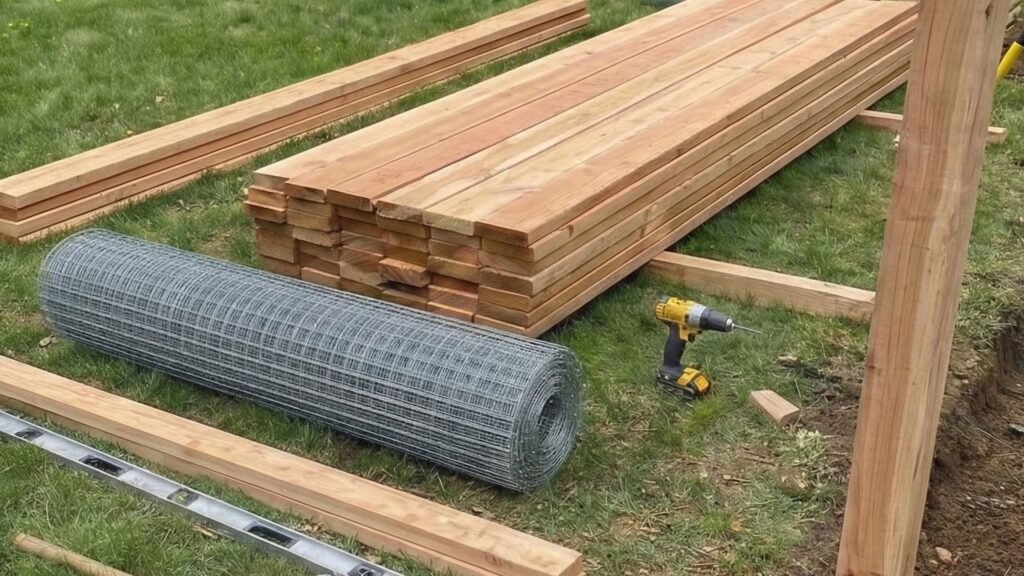
Understanding the step-by-step mechanics of how permits move through town offices helps you anticipate delays and prepare complete applications that clear review faster. Municipal sequences for wood, vinyl, or chain-link fences generally follow the same pattern, though the exact forms and fees vary by town. Starting with a current property survey and a clear site plan showing fence alignment relative to property lines gives zoning staff the baseline information they need to evaluate height and setback compliance.
Application and Documentation
A complete fence permit application typically includes a plot plan or site map, fence height and material specifications, and proof of property ownership such as a recent deed or tax bill. The plot plan should mark the fence line in relation to property boundaries, existing structures, driveways, and any known easements or utility corridors. Many towns also ask for neighbor notification letters or signatures acknowledging the fence location, especially if the fence will sit close to a shared property line. Application fees range from modest amounts in smaller towns to several hundred dollars in municipalities with complex zoning overlays or high administrative costs.
Setback rules often follow a height-equals-distance formula, meaning a six-foot fence must sit at least six feet from the property line. Some towns allow fences directly on the line if both neighbors agree in writing, but relying on informal handshake deals without documentation can cause problems if neighbors move or dispute the fence later. Submitting neighbor consent forms with your application removes this uncertainty and speeds approval.
Review and Inspection Stages
Zoning staff review applications for compliance with height limits, setback tables, and special conditions like corner-lot sight triangles. If your fence crosses a wetlands buffer or upland review area, the application is forwarded to the Inland Wetlands & Watercourses Agency for environmental review. This hand-off between departments is where timelines stretch, because wetlands agencies often meet only once or twice per month and may require a site visit before rendering a decision. Permits issued by wetlands agencies frequently include conditions such as maintaining a six-inch gap between the fence bottom and ground surface to allow small wildlife passage, which your contractor must incorporate into the installation plan.
Some towns require a post-installation inspection, especially for fences over certain heights or those involving retaining walls. The inspection confirms that post holes were dug to the required depth and that the fence aligns with the approved site plan. Scheduling this inspection early in the process, ideally before backfilling post holes, prevents the need to re-excavate if the inspector identifies a problem. Contractors experienced with local requirements usually coordinate inspections automatically, but first-time DIY installers should confirm inspection timing with the town before pouring concrete.
Approval and Start Conditions
Permits are issued with specific start and completion dates, which bind both homeowner and contractor to a realistic timeline that accounts for weather and material availability. No digging should occur before the permit is active, and state and municipal rules commonly tie permits to utility markout requirements, meaning you must call 811 to have underground lines flagged before breaking ground. This utility coordination usually takes two to three business days from the time you call, which adds a small buffer between permit issuance and actual construction start. Planning this utility window into your schedule prevents last-minute delays and protects your crew from hitting buried electric, gas, or telecommunications lines.
Approved permits often come with conditions such as posting a copy of the permit on site during construction, notifying neighbors before work begins, and restoring disturbed areas to original grade within a set number of days after completion. Meeting these conditions keeps the project compliant and reduces the risk of neighbor complaints that could trigger enforcement actions or stop-work orders.
The Fence Installation Permits Process in CT
Research Local Ordinances
Visit your town’s official website (e.g., zoning or building department section) to review specific fence rules on height limits, setbacks, materials, and permit needs, as CT has no statewide blanket fence law. Confirm if a zoning permit, building permit, or both apply based on your fence height and location.
Gather Required Documents
Prepare a scaled plot plan showing property lines, fence location, height, and materials; include a survey if available, plus details on utilities and setbacks. If near wetlands, check for inland wetlands agency approval first.
Call 811 and Locate Lines
Contact Connecticut 811 at least 3 business days before digging to mark underground utilities, and verify property lines to avoid neighbor encroachments.
Submit Permit Application
File the zoning permit (and building permit if needed) online or at town hall with your documents and pay fees ($20–$150 typical); some towns like Plainville require it for most residential fences.
Await Approval and Inspection
Expect 7–30 days for review; once approved, schedule any required site inspection before or after installation to ensure compliance with sight lines and codes.
Install and Maintain
Build per approved plans with the finished side facing out (toward neighbors/street), and maintain to avoid violations like sharp edges or overgrowth.
Additional Requirements for Complex Sites
Northeast topography and environmental sensitivity mean that many Connecticut properties face terrain challenges beyond basic zoning compliance. Sloped lots, wetlands proximity, and frost-depth concerns all layer additional permit steps onto the baseline zoning approval, which can significantly extend the time between application and digging.
Slopes, Wetlands, and Frost Prep
Inland Wetlands & Watercourses Agency permits apply to any activity within regulated buffers, which can extend 75 to 150 feet from mapped watercourses, streams, or jurisdictional wetlands. Fences proposed in these buffers require a formal wetlands application, often with engineered site plans showing how the fence will avoid soil disturbance or alterations to natural drainage patterns. Agencies commonly condition permits by requiring a six-inch gap between the fence bottom and ground surface to maintain wildlife corridors for small mammals and amphibians, which changes installation details and may limit certain fence styles like solid wood panels that reach grade.
Connecticut’s frost line sits around 42 inches, meaning fence posts must extend below this depth to resist heaving during freeze-thaw cycles. While the state building code primarily addresses foundations for buildings, the same frost-depth logic guides fence post installation to prevent posts from shifting and rails from warping over winter. Digging to this depth creates larger excavations, more displaced soil, and requires concrete footings that need 24 to 48 hours to cure before backfilling, which extends the visible yard disruption by at least a day or two compared to shallower posts in warmer climates.
On sloped lots, fence lines often require terracing or step-downs to follow grade without creating gaps at the bottom or excessive height at the top. These design adjustments may need zoning review to confirm that the effective height at any point along the fence does not exceed local limits, adding a design iteration step before final permit approval.
Corner Lots and Pools
Corner lots face stricter height restrictions in the triangular area where two streets meet, known as the sight triangle or visibility zone. Zoning ordinances typically limit fences in this zone to three or four feet to preserve driver and pedestrian sightlines, even if the rest of the yard allows six-foot fencing. Measuring these sight triangles accurately on your plot plan and noting the height transition points prevents application rejections and ensures the design complies before installation begins.
Pool enclosures carry additional safety requirements under local building codes, often mandating self-closing gates with latches positioned out of reach of young children and fence heights sufficient to deter climbing. These safety features require careful specification in the permit application and may trigger building inspections separate from the standard zoning review. Combining pool and fence permits into a single application can streamline approval, but it also means any holdup in one permit stalls the entire project.

Spite Fences, Neighbors, and Liability in CT
Connecticut’s General Statutes Chapter 823 governs fence responsibilities between adjoining landowners and addresses the issue of malicious fences built primarily to harm a neighbor rather than serve a legitimate property purpose. Understanding these rules helps homeowners avoid legal trouble and maintain good neighbor relations during construction.
Boundary and Shared Fence Rules
State law requires adjoining owners to share the cost of maintaining “sufficient” boundary fences when those fences enclose fields or serve agricultural purposes, though the practical application extends to many residential scenarios where both neighbors benefit from a shared boundary screen. If one owner refuses to contribute after proper notice, the statute allows the other owner to request that local fence viewers, appointed by the town, allocate responsibility and authorize the fence to be built at the non-complying owner’s eventual expense. This legal framework discourages disputes from dragging on indefinitely and provides a mechanism for resolution without court litigation.
State law also prohibits the use of barbed wire on fences between adjoining properties, reflecting safety concerns and the expectation that residential boundary fences should not pose injury risks to neighbors, children, or pets. Violations of this rule can result in removal orders and potential liability if someone is injured.
Spite Fence Doctrine
A spite fence is defined as a structure erected maliciously, with little useful purpose to the builder, and with the primary intent or effect of injuring a neighbor’s enjoyment of their property. Courts examine factors such as the fence’s height relative to norms, whether it blocks light or views without corresponding benefit to the builder, and whether there is evidence of hostility or retaliatory intent. If a fence is found to be a spite fence, courts can order it modified or removed entirely, and the builder may be liable for the neighbor’s legal costs. This doctrine does not prevent tall or solid fences when they serve legitimate privacy or security purposes, but it does discourage homeowners from using fences as weapons in neighbor disputes.
Practically, the best way to avoid spite fence claims is to keep fence design proportional to the property, provide advance notice to neighbors, and be prepared to explain the fence’s purpose if questions arise. Reputable contractors avoid designs that look punitive or out of scale because such fences invite scrutiny from both neighbors and zoning officials.
What Homeowners Should Do Before Applying
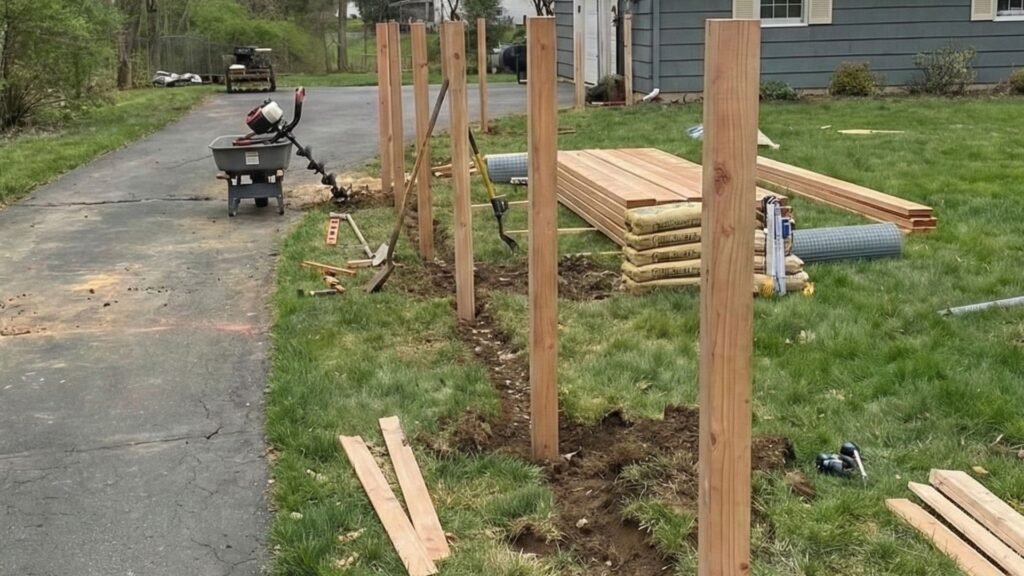
Preparation is the single biggest factor in shortening permit timelines and keeping your yard functional during construction. Taking the time to gather accurate documentation and confirm local requirements before submitting an application avoids the back-and-forth that extends approval windows from weeks to months.
Pre-Permit Checklist
Start by calling your town’s zoning or building department to ask whether a permit is required for your fence height and location. Different towns have different thresholds, so a quick phone call or visit to the town website clarifies whether you can proceed without paperwork or need to budget time for approval. If a permit is required, ask for the application form, fee schedule, and list of required documents, so you know exactly what to prepare.
Obtain a current property survey if you do not already have one. Surveys confirm property lines, easements, and any encroachments that could affect fence placement. Many zoning offices require a survey as part of the permit application, and having it in hand before you design the fence prevents surprises about setback distances or shared boundaries.
Call 811 to request utility markouts before any digging begins. Utility coordination is often a permit condition, and hitting an unmarked gas or electric line can cause dangerous accidents, expensive repairs, and project delays. Most utilities respond within two to three business days, so plan this step early in your timeline.
Talk to your neighbors about the fence location and design. State law encourages cooperation on shared boundaries, and informal agreements about placement, height, and finish can prevent disputes that otherwise surface during construction. Getting neighbor sign-off in writing also strengthens your permit application and demonstrates good faith to zoning officials.
Tips to Speed Approval
Submit complete applications during off-peak seasons when zoning staff have lighter workloads. Late fall and winter applications often clear review faster than spring and summer filings, giving you a head start on scheduling construction for favorable weather.
Double-check that all required documents are included before submitting, including plot plans, material specifications, neighbor notices, and fee payments. Incomplete applications get returned for revision, restarting the review clock and adding weeks to the approval timeline. A few extra minutes of checklist review before submission can save weeks of waiting.
Consider hiring a professional installer who handles permit filings as part of their service. Experienced contractors know local requirements and can prepare applications that pass review on the first try, and their familiarity with the town zoning staff can smooth communication and resolve minor issues quickly. While this adds to project cost, it often pays for itself in time saved and avoided rework.
Common Mistakes Homeowners Make with CT Fence Permits
Assuming that no state building permit means you can start construction immediately is the most common error. State exemptions do not override local zoning rules, and skipping town permits can result in stop-work orders, fines, and mandatory fence removal. Even if your neighbor built without a permit, that does not mean your project will escape scrutiny, especially if a complaint is filed.
Ignoring wetland buffers leads to enforcement actions and costly remediation. Many homeowners do not realize their property contains regulated wetlands or that the buffer extends well beyond the visible wet area. Checking wetlands maps at the town conservation office before designing your fence prevents violations that can require fence relocation or removal after installation.
Proceeding without a current property survey invites boundary disputes with neighbors. Even fences built a few inches over the line can trigger legal conflicts, and correcting the mistake after posts are set means tearing out work and starting over. Surveys confirm property lines and prevent these disputes, making them a worthwhile investment even when not strictly required for the permit.
Preparing for Your CT Fence Permit Application
Gather all documentation before filling out the application. A complete packet includes a plot plan, property survey, material and height specifications, and neighbor notification. Measure fence heights and distances carefully, because discrepancies between your application and the actual installation can trigger violations and require corrections.
Check your town’s website or call the zoning office to confirm current fees and submission procedures. Some towns accept online applications, while others require in-person filings. Knowing the process in advance prevents wasted trips and ensures you bring the correct payment method.
Budget extra time for wetlands or corner-lot reviews if your property includes these features. Complex sites routinely take four to six weeks for full approval, so submitting early in the year for a spring or summer installation helps you stay on schedule even if review stretches longer than expected.
Frequently Asked Questions About Fence Installation Permits in CT
Q: Do I need a permit for fence installation in CT?
A: Connecticut has no statewide building permit requirement for residential fences, but most towns require zoning or building permits for fences over four to six feet, and some require permits for any fence, regardless of height. Check with your local zoning office to confirm requirements for your specific town and fence design.
Q: What is a spite fence in Connecticut?
A: A spite fence is a structure built primarily to harm a neighbor’s property enjoyment, with little useful purpose to the owner. Courts can order such fences modified or removed if they maliciously block light, views, or air without serving a legitimate privacy or security function.
Q: How do wetland rules impact fencing?
A: Fences proposed within 75 to 150 feet of wetlands or watercourses require Inland Wetlands & Watercourses Agency permits, often with conditions such as maintaining six-inch ground clearance for wildlife passage. Wetlands permits add weeks to the approval timeline and may restrict fence styles or materials.
Q: Can I install a fence on my property line in Connecticut?
A: State law allows fences on shared boundaries if both neighbors agree, but many towns require setbacks equal to the fence height. Confirm local setback rules and obtain neighbor consent in writing to avoid disputes.
Fence Contractor Knowledge Quiz
Final Thoughts
Connecticut fence permits depend heavily on town zoning rules rather than statewide codes, which means your project timeline hinges on understanding local height limits, setback requirements, and whether your property touches wetlands buffers or corner-lot sight triangles. State building code exempts most fences from state permits, but municipalities retain full authority to regulate fence design and placement, often extending approval windows from days to several weeks when environmental reviews or special zoning cases are involved. Wetlands setbacks add technical layers that affect installation details and yard disruption, while spite fence laws remind homeowners to maintain good neighbor relations throughout the process.
The key to managing these variables is preparation: confirming local requirements early, gathering complete documentation including surveys and plot plans, coordinating with neighbors, and submitting applications during slower permit seasons. Most of the waiting happens while your yard remains undisturbed, and once permits clear and utilities are marked, the actual construction window compresses into a few focused days of excavation, post-setting, and finishing work. Professional installers, like My Fence Guy, who understand Connecticut’s town-by-town landscape, can help you prepare compliant applications that move through review smoothly, keeping your project on schedule and your property functional throughout the process.
Whether you’re fencing a flat backyard in a permissive town or navigating wetlands buffers and slope challenges on a complex lot, the principle remains the same: verify local rules through official town sources, prepare thorough permit applications, and allow realistic timelines that account for review cycles and inspection windows. Your fence project starts predictably when you plan ahead and work with the regulatory structure rather than against it, turning what could be a months-long ordeal into a straightforward process with a clear end date.
CT Fence Permit Key Terms
- Zoning Permit: Approval from the local zoning department ensuring fence location, height, and design comply with town ordinances. riversidefence
- Building Permit: Required for fences over 6-7 ft or those attached to structures, issued after zoning review and before construction. riversidefence
- Site Plan: Scaled drawing showing property lines, fence placement, setbacks, and dimensions, mandatory for most permit applications. riversidefence
- Setback: Minimum distance a fence must be from property lines, streets, or driveways (e.g., 5 ft common in rear yards). stamfordctfencecompany
- Sight Triangle: Clear visibility area at street intersections or driveways where fences cannot exceed 2.5-3 ft in height. easthartfordct
- Frost Line: Depth (typically 42 inches in CT) that fence posts must extend below to prevent heaving from winter freeze-thaw cycles. riversidefence
- Good Neighbor Rule: Requirement that the finished, attractive side of the fence faces outward toward neighbors or streets. riversidefence
- Pool Barrier: Self-latching fence (min 4 ft) around pools, always requiring permits under strict safety codes. riversidefence
- Variance: Special exception granted by zoning board to exceed standard height or setback rules for unique properties. riversidefence
- Connecticut 811: Free service to call 3 days before digging; marks underground utilities to avoid damage during post holes. riversidefence
- Property Line Fence: Fence on or shared with a boundary, often needing neighbor consent or strict setbacks. stamfordctfencecompany
- Front Yard Fence: Limited to 3-4 ft height, open design (e.g., picket), with greater visibility and setback scrutiny. riversidefence
- HOA Approval: Additional consent from homeowners associations beyond town permits, common in subdivisions. riversidefence
- Retaining Wall Fence: Combined structure over 4 ft needing engineering plans and special permits. easthartfordct
Hover over terms to see definitions