Fence Installation Safety: What Homeowners Should Know
When the fence crew pulls into your driveway, do you feel that knot in your stomach wondering how long your backyard will look like a construction zone? You’re not alone. Most Connecticut and New York homeowners share the same worry: torn-up lawns, deep holes near the property line, and workers moving heavy equipment just feet from where their kids play.
The good news is that professional installers follow strict safety protocols, from checking underground utilities before digging to setting posts. These measures protect everyone involved while typically wrapping up residential jobs in 1 to 5 days, depending on your yard’s terrain and local regulations. Understanding what happens during each phase of fence installation safety can turn that anxious wait into a smooth experience where you know exactly what to expect and when your yard will return to normal.
Key Takeaways
- Typical Jobs Complete in 1-5 Days: Standard 150 to 200-foot installations on flat ground usually finish in 2 to 3 days, while slopes, wetlands, or deep frost line requirements can extend timelines to 5 days with proper safety measures in place.
- Pre-Installation Prep Reduces Hazards: Calling 811 for utility locates, verifying zoning setbacks and spite fence regulations, and clearing vegetation flag potential issues before the first shovel hits dirt.
- Site Barriers and PPE Are Standard: Professional crews set up 6 to 8-foot temporary fencing, use fall protection equipment, and guard excavations to keep neighbors, pets, and children safe during the work.
- Local Rules Vary by Municipality: Many areas allow fences under 6 feet without permits, but Connecticut prohibits spite fences, and wetlands may require special buffers.
- Cleanup Ensures Safe Recovery: Debris removal, hazard sweeps for loose nails or tools, and reseeding disturbed areas complete the job properly.
Understanding Fence Installation Safety in CT and NY
Safety-first fence installation goes beyond just protecting workers. It’s about creating a secure environment for your family, preserving your property, and meeting the building codes that keep structures stable for decades. In the Northeast, crews face unique challenges like freeze-thaw cycles that can heave posts out of position, sloped yards that require special bracing, and regulatory buffers around wetlands that protect sensitive ecosystems.
When professional installers plan a job, they consider how each element affects both immediate safety and long-term performance. Posts set too shallow might look fine for a season, but after a hard winter, they can shift and create leaning panels that become trip hazards. Concrete that cures too quickly in hot weather or too slowly in cold conditions won’t provide the stability your fence needs. These details matter because a properly installed fence protects your investment and keeps everyone around it safe.
Connecticut law specifically prohibits spite fences, which are structures built maliciously to block a neighbor’s view, light, or airflow. This regulation exists because poorly planned fences can create disputes that sometimes lead to unsafe removal attempts or damage. Near wetlands, installers must work within 75 to 150-foot buffer zones, using erosion controls and sometimes elevating the fence bottom to avoid disturbing protected vegetation.
Local Safety Environment and Needs
Northeast properties bring specific safety considerations that flat, dry-climate yards never face. Wooded lots with sloped terrain require pre-dig surveys to identify root systems that could destabilize equipment. Corner properties need fence designs that maintain sightlines for traffic safety, especially where local zoning codes specify clear vision triangles at intersections.
Saturated soils common in Connecticut and New York valleys demand extra attention during excavation. Water-logged ground can cave in unexpectedly, creating dangerous conditions for workers and leaving voids under your lawn that settle unevenly later. Professional crews bring pumps, proper shoring, and personal protective equipment (PPE) to handle these conditions safely. They also set up barriers before heavy equipment arrives, protecting both your landscaping and keeping curious onlookers at a safe distance.
National vs. CT/NY Safety Timelines
Standard fence installation timelines you might see advertised nationally often assume ideal conditions: flat ground, stable soil, minimal regulatory review, and moderate weather. In the Northeast, reality adds layers of complexity. The need to dig below frost lines, wait for concrete to cure in cooler temperatures, and coordinate with local zoning boards can stretch what might be a 2-day job elsewhere into a 4 to 5-day project here.
Climate considerations affect construction timelines significantly, with cold weather slowing concrete curing and wet conditions making excavation more hazardous. A crew working in July might wrap up a standard backyard fence in 2 days, while the same job in October could take 4 days as they wait for concrete to reach proper strength before loading posts with panels.
Typical Safety Timeline Ranges by Fence Length
For a straightforward installation on level ground with good drainage, national averages suggest 1 to 3 days total time. In Connecticut and New York, that same job typically runs 3 to 5 days when you factor in proper frost-line depth requirements and the 24 to 72-hour concrete cure times needed in variable temperatures.
A 100-foot fence line might break down like this: Day 1 for utility marking, site prep, and initial layout; Day 2 for digging post holes and setting posts in concrete; Days 3 and 4 for concrete curing and panel installation; Day 5 for gates, trim, and cleanup. Longer runs or challenging terrain add proportional time, with slopes or wetland buffers sometimes requiring an extra 1 to 2 days for specialized installation techniques.
Day-by-Day Safety Breakdown Models
Understanding what happens each day helps you plan around the disruption and know when to keep kids and pets clear of work zones. On Day 1, crews spend 4 to 6 hours marking property lines, verifying utility locations with flags or spray paint, and setting up temporary barriers around the work area. This phase involves minimal actual digging but establishes the safety perimeter that protects everyone for the duration of the job.
Day 2 brings the heavy work: excavation, post setting, and concrete pouring. Workers use fall protection when working from ladders or scaffolds above 6 feet and maintain guards around open holes to prevent trips or falls. This is typically when your yard looks most disrupted, with soil piles, equipment, and workers moving quickly through well-defined zones.
Days 3 through 4 focus on attaching panels, rails, and hardware while respecting concrete cure times. Crews may work on one section while another cures, maximizing efficiency without compromising safety. Day 5 wraps with final inspections, cleanup sweeps for nails or debris, and restoration work like reseeding disturbed areas or replacing sod.
Key Safety Steps in the Fence Installation Process
Every fence installation follows a sequence of safety-critical steps, regardless of material type. Whether you’re installing vinyl, wood, chain link, or aluminum, the foundation work and site preparation protocols remain consistent because they address universal hazards: underground utilities, unstable soil, weather exposure, and public access to construction zones.
Professional installers adapt these core safety measures to regional requirements, integrating frost depth rules, slope stabilization techniques, and local code compliance into their standard workflows. This systematic approach reduces the chance of surprises mid-project and keeps the timeline predictable for homeowners.
Site Preparation and Hazard Layout
Before any excavation begins, calling 811 for utility locates is mandatory in both Connecticut and New York. This free service sends representatives from utility companies to mark underground gas, electric, water, sewer, and communication lines with color-coded flags or paint. Digging without this step risks service outages, injuries, and significant fines.
Next, crews clear vegetation, remove debris, and stake the fence line according to your property survey. This stage includes verifying setbacks from property boundaries and streets, checking corner lot sightline requirements, and confirming that the layout won’t interfere with overhead power lines or tree roots. Once the path is clear, temporary barriers go up: typically 6 to 8-foot construction fencing that creates a visible boundary around the active work zone.
These barriers serve multiple purposes. They keep children and pets out of areas with open holes or sharp tools, they prevent neighbors from accidentally wandering into the site, and they contain construction materials and debris within a defined footprint. Setting up this perimeter on Day 1 establishes safety as the project’s foundation.
Post Setting and Cure Safety
A standard 6-foot fence typically requires posts buried one-third of their total length, so a 6-foot post actually measures 8 to 9 feet with 2 to 3 feet underground.
Contractors dig holes 6 to 12 inches in diameter, add a gravel base for drainage, then plumb each post vertically before pouring concrete. This alignment step prevents leaning fences that create safety hazards later. Bracing holds posts in position during the 24 to 72-hour cure window, and workers use fall protection equipment when climbing ladders to attach upper bracing or check alignment.
Rushing concrete cure time causes problems. In cool weather, contractors may extend cure periods to ensure the concrete reaches full strength before loading panels. In hot, dry conditions, they keep concrete moist to prevent cracking. This attention to curing schedules might add a day to your timeline, but it prevents posts from shifting under wind loads or frost pressure in the years ahead.
Panel, Rail, and Gate Attachment Safety
Once posts are stable, crews attach rails, panels, and pickets using fasteners rated for outdoor exposure and wind resistance. Proper rail placement includes drainage gaps and expansion room, preventing water accumulation that can rot wood or corrode metal over time. On slopes, installers use racked or stepped panel designs, with each step typically limited to 4 inches maximum to maintain structural integrity and appearance.
Gates go in last, after all panels are secure. Self-closing, self-latching mechanisms are standard for pool enclosures and other safety-critical applications, with latches mounted 54 inches above grade to prevent young children from reaching them. Installers test every gate for smooth operation and secure latching before final inspection.
Throughout this phase, crews secure the fence against wind uplift and lateral pressure. Bottom rails get anchored, corner posts receive extra bracing, and tall sections may include additional mid-span posts for stability. These measures prevent the fence from becoming a falling hazard during storms or heavy snow loads.
Additional Safety Steps for Complex Installs
Not every yard offers level ground and ideal soil conditions. When installers encounter slopes, wetlands, or other challenging terrain, they adapt their safety protocols and often extend the timeline by 1 to 2 days to accommodate the extra precautions required.
Handling Slopes, Wetlands, and Hazards
Sloped installations demand deeper post setting, often 30 to 40 percent of the above-ground height, to resist the lateral forces that try to pull the fence downhill. Racked panels follow the grade naturally, maintaining consistent spacing between pickets or slats, while stepped panels create a stair-step appearance with level sections separated by short drops.
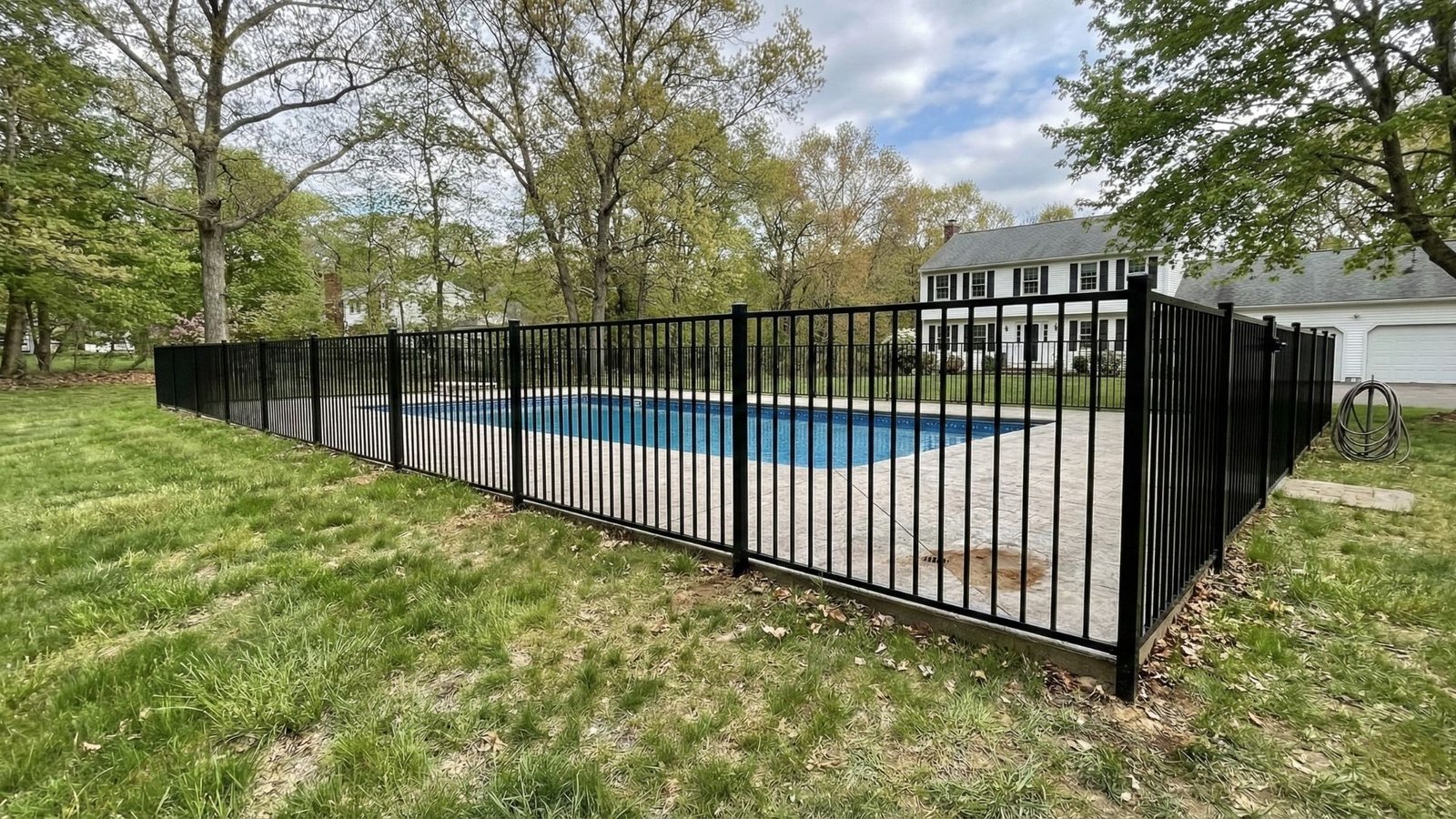
Pool fences add another layer of safety requirements. Gates must be self-closing and self-latching, with latches positioned 54 inches above ground to keep them out of reach for young children. Picket spacing can’t exceed 4 inches to prevent children from squeezing through, and the fence height typically must reach at least 48 inches to meet safety codes.
Near wetlands, Connecticut requires fences within certain buffer zones to be elevated 6 inches off the ground to avoid disturbing protected vegetation and allow wildlife passage. Installers use silt barriers during excavation to prevent sediment from washing into sensitive areas, and they time work to avoid nesting seasons when possible. New York’s freshwater wetlands regulations follow similar principles, sometimes requiring permits even for minor fencing projects depending on the wetland classification.
These adaptations add complexity and time but ensure your fence complies with environmental regulations while protecting both the ecosystem and your property from erosion or drainage issues.
Finishing and Hazard Restoration
The final phase of any safe installation includes finishing touches and thorough cleanup. Installers add post caps, trim pieces, and decorative elements that complete the fence’s appearance while also protecting exposed wood or metal from weather damage. They sweep the entire work area for loose nails, screws, wire fragments, and other debris that could injure bare feet or paws.
Hazard restoration means more than just picking up tools. Contractors fill and compact any remaining voids around posts, reseed disturbed lawn areas, and replace sod where excavation left visible scars. They conduct a final walkthrough with you, pointing out any maintenance requirements and confirming that the fence is stable and secure.
This cleanup phase typically takes half a day on straightforward jobs, but thorough contractors don’t rush it. They want you walking your property without worrying about stepping on a hidden fastener or finding an unstable post. A proper final inspection gives both you and the installer peace of mind that the job is complete and safe.
Permits, Utilities, and Safety Regulations in CT and NY
Understanding permit requirements before installation starts prevents costly delays or violations that could force you to tear down work already completed. Connecticut and New York have overlapping state codes and local municipal rules that all apply to residential fencing.
Many municipalities allow fences under 6 feet tall without permits for single-family and two-family homes, but setback rules still apply. Front-yard fences often face stricter height limits, typically 3 to 4 feet, to maintain neighborhood sight lines and curb appeal standards.
Zoning, Spite, and Utility Coordination
Local zoning reviews examine site plans to ensure fences meet setback requirements, which typically range from 2 to 10 feet from property lines depending on the zone and fence location. Application fees run $50 to $150, and approval can take 10 to 30 days in busier municipalities. Some towns streamline the process for standard residential fences, while others require detailed drawings and neighbor notifications.
Spite fence laws in Connecticut give neighbors legal recourse if they believe a fence was built maliciously to harm their property enjoyment. Courts can order removal or modification of structures deemed to serve no legitimate purpose beyond blocking light, views, or airflow. This makes good-neighbor communication part of safety planning; discussing your fence plans with adjacent property owners often prevents disputes that could lead to unsafe confrontations or forced changes mid-project.
Calling 811 for utility locates remains mandatory regardless of permit status. This free service protects you from accidentally damaging underground infrastructure, which can cause service outages, dangerous gas leaks, or electrocution hazards. Utility companies typically respond within 2 to 3 business days, marking locations with color-coded flags that show crews exactly where to avoid digging.
Wetlands buffers add another regulatory layer. Properties within 75 to 150 feet of inland wetlands may need special permits or must follow specific installation techniques like elevated bottom rails or sediment barriers. These rules protect water quality and habitat, but they also safeguard your property by preventing erosion or drainage problems that could undermine the fence or your foundation.
What Homeowners Should Prepare For and Do
Active homeowner involvement supports safe, efficient installation while reducing stress for everyone involved. Knowing what to expect each day helps you plan around the disruption and contribute to a smooth process.
Daily Safety Expectations During Install
Days 1 and 2 bring the most noise and visible activity. Equipment noise, workers calling instructions to each other, and the sound of post-hole diggers or augers can be loud, especially in the morning when crews start work. Dust from excavation settles on nearby surfaces, and foot traffic compacts soil along the fence line. Professional crews contain this disruption by using temporary fencing to define work zones and by working systematically from one end of the property to the other.
During this phase, expect to keep children and pets indoors or in areas well away from the work zone. Open post holes create fall hazards, and construction debris like cut wire or wood splinters can injure curious explorers. Crews should maintain visible barriers and warning signs, but your vigilance adds an extra layer of protection.
As concrete cures on Days 2 through 4, activity slows. You might see workers checking post alignment or attaching panels in sections where concrete has hardened sufficiently. This quieter period gives you a chance to inspect progress and ask questions about timeline or any concerns you notice. Good contractors welcome this interaction and use it to confirm you’re happy with the work as it develops.
Tips to Minimize Safety Disruptions
Pre-planning reduces both safety risks and timeline extensions. Before crews arrive, move vehicles, lawn furniture, and planters away from the fence line to clear access routes. Secure or relocate pets, and let neighbors know work is starting so they can take their own precautions with children or animals.
Clear vegetation, remove old fencing, and identify any sprinkler heads or drainage features along the fence path. This prep work allows crews to focus on installation rather than site cleanup, often shaving hours or even a full day off the schedule. Mark any sensitive landscaping you want protected, and discuss with the installer how they’ll route equipment to avoid damage.
Scheduling work during off-peak times can improve efficiency. Spring and fall often bring moderate temperatures that optimize concrete curing and make physical labor more manageable for workers, potentially reducing the need for weather-related delays. Summer heat slows curing and increases fatigue risks, while winter cold extends cure times and limits working hours due to shorter days and frozen ground.
Being available for quick questions or decisions prevents work stoppages. If a crew uncovers an unexpected utility line or finds soil conditions differ from what was anticipated, having you on hand to approve plan adjustments keeps the project moving safely forward without day-long delays waiting for homeowner input.
Process Comparison Table: Simple vs. Complex Fence Safety Install in CT/NY
| Phase | Simple Install (Flat Backyard) | Complex Install (Slope/Wetlands) |
|---|---|---|
| Prep & Barriers | 4-6 hours with utility marking and temporary fencing | 1 full day including wetland buffer setup and erosion controls |
| Post Setting | 1 day with standard depth, 24-hour concrete cure | 2 days with deeper holes for slopes, extended cure in cold weather |
| Panels/Gates | 1 day for straight runs and standard gate installation | 1-2 days for racked panels on slopes and safety-compliant pool gates |
| Total Timeline | 2-3 days for typical 150-200 foot fence | 4-5+ days accounting for terrain challenges and regulatory compliance |
Common Safety Mistakes Homeowners Make During Fence Installation
Skipping the 811 utility locate call might seem like a time-saver, but hitting a gas line or electrical cable creates immediate danger and can lead to fines, service interruptions, and expensive repairs. Even if you think you know where utilities run based on visible markers, underground paths can shift or branch unexpectedly.
Ignoring spite fence and zoning regulations invites neighbor disputes and potential legal action that can force fence removal or costly modifications. Some homeowners assume that staying on their own property eliminates all restrictions, but setback rules, height limits, and anti-spite provisions apply regardless of where the fence sits relative to the property line.
Poor site preparation extends timelines and increases safety risks. Leaving overgrown vegetation, failing to move obstacles, or not communicating special concerns like underground irrigation lines forces crews to slow down and work around problems. This not only adds days to the schedule but also increases the chance of accidents as workers navigate cluttered or unclear work zones.
Skipping the final walkthrough overlooks potential hazards like loose fasteners, unfilled voids around posts, or panels that weren’t secured properly. A thorough inspection with your contractor catches these issues while equipment and materials are still on-site, making fixes quick and ensuring the fence is truly safe before you sign off on the work.
Preparing Your Property for Safe Fence Installation in CT/NY
Start your preparation at least two weeks before the scheduled installation date. Call 811 to request utility locates, giving utility companies time to respond and mark underground lines. This simple step protects both workers and your property from dangerous strikes.
Walk your property line and trim back overhanging branches, dense shrubs, or vines that could interfere with post placement or equipment access. Clear a path at least 3 feet wide along the entire fence route, and mark any sensitive plants you want protected. Identify sprinkler heads, buried cables, or landscape lighting along the path and map their locations for your installer.
Survey your property boundaries if you haven’t done so recently, especially if you’re fencing a newly purchased home or an area where old fence remnants suggest unclear lines. Knowing exactly where your property ends prevents encroachment disputes and ensures compliance with setback rules.
Review local zoning requirements and spite fence regulations to understand height limits, setbacks, and any restrictions on materials or designs. Some municipalities prohibit certain fence types near historic districts or in neighborhoods with specific aesthetic guidelines. Catching these restrictions early prevents rework or permit denials.
Finally, plan for family and pet safety during the installation. Designate indoor or off-property care for pets during active work days, and establish clear boundaries with children about where they can and can’t go while crews are on-site. Stock up on activities to keep kids occupied indoors during the noisiest phases, and consider scheduling work during school hours or arranging playdates at friends’ homes to minimize their exposure to construction hazards.
Frequently Asked Questions About Fence Installation Safety
Q: What safety steps happen during fence installation?
A: Professional crews start by setting up barriers and verifying utility locations, then dig post holes to a depth, set posts in concrete, and allow 24 to 72 hours for curing. They attach panels with fall protection and excavation guards in place, typically completing residential jobs in 2 to 5 days depending on terrain and complexity.
Q: Are safety permits required for fences in my area?
A: Many Connecticut and New York municipalities allow fences under 6 feet without permits, but zoning reviews often apply for setback compliance and to prevent spite fences. Professional installers handle permit coordination through local building departments and state resources.
Q: What safety should I expect on install day 1?
A: Day 1 typically involves barrier setup, utility verification with 811 locate flags, fence line staking, and initial site prep. Crews don’t usually dig post holes until Day 2, giving you time to address any last-minute concerns about layout or access routes.
Q: How can I prepare my yard for safe fence installation?
A: Clear obstacles along the fence line, trim vegetation for access, call 811 for utility locates at least 2 weeks ahead, and plan to keep pets and children away from work zones. This preparation helps crews work efficiently and reduces safety risks for everyone involved.
Q: What happens if workers find unexpected utilities or obstacles?
A: Reputable installers stop work immediately when they encounter unmarked utilities or unexpected obstacles like large rocks or old foundations. They’ll consult with you about adjustments to the fence path or design, and may need to reschedule sections of work pending additional utility locates or engineering review. This caution prevents dangerous strikes and ensures code compliance.
Q: How do I know my fence will be safe after installation?
A: Proper installation includes posts set below frost line with adequate curing time, secure panel attachment, self-closing/latching gates where required, and final inspection for stability and hazards. Ask your installer for a warranty covering workmanship and materials, and verify they follow local building codes and industry safety standards.
Final Thoughts
Fence installation safety in Connecticut and New York centers on protecting people and property through careful planning, proper technique, and regulatory compliance. The 2 to 5-day timeline for typical residential projects reflects the time needed to dig below frost lines, cure concrete properly, and install panels with appropriate safety barriers and equipment. Understanding each phase of the process, from utility locates to final cleanup, transforms the anxious “what’s going to happen to my yard” worry into confidence that professionals are following proven protocols.
Connecticut’s building codes and spite fence laws provide a framework that balances property rights with safety and neighbor relations. New York’s similar regulations ensure fences serve legitimate purposes without creating hazards or disputes. By working with licensed contractors who understand these requirements, you get a fence that not only looks great but also stands stable through freeze-thaw cycles, heavy snow, and high winds for years to come.
At My Fence Guy, we prioritize safety from the first site visit through final inspection, keeping your family, pets, and property protected throughout the installation process. Our crews follow industry standards for excavation safety, fall protection, and site barriers while respecting your schedule and minimizing yard disruption. Contact us today for a free consultation where we’ll explain exactly what to expect, answer your questions about permits and regulations, and provide a detailed timeline for your specific project. Let’s turn your fence installation from a source of stress into a smooth, safe experience that enhances your property for decades.