
Chain Link Fencing That Actually Stays Put Through Connecticut and New York Winters
You need a chain link fence that won’t sag, rust, or fall apart when the weather gets rough. We install galvanized chain link fencing that lasts 25+ years, even with our harsh Northeast winters and salty air.


30+
Years of Experience
Why Your Current Chain Link Fence Problems Aren’t Your Fault
You’ve probably seen those chain link fences that look terrible after just a few years. The mesh sags between posts, rust streaks run down the galvanized coating, and gates barely close properly. Maybe you’ve even had one installed that started having problems within months.
Here’s the thing: most chain link fence failures aren’t because chain link is a bad material. They happen because contractors cut corners during installation. When posts aren’t set deep enough below the frost line (at least 36 inches in Connecticut and New York), winter freeze-thaw cycles push them around. When installers use cheap 11-gauge wire instead of proper 9-gauge galvanized mesh, the fence can’t handle wind loads. When tension bands aren’t properly spaced or tightened, the whole system starts to fail.
We see these problems constantly across Fairfield County and Westchester County. Homeowners call us frustrated because their “professional” installation is already showing problems. Business owners need secure perimeters that don’t embarrass them in front of customers. The good news? When chain link fencing is installed correctly with quality materials, it’s one of the most reliable and cost-effective fencing solutions available.
That’s exactly what we do at My Fence Guy. Since 2022, we’ve been installing chain link fences throughout Connecticut and New York that actually perform the way they’re supposed to. We use proper techniques, quality materials, and we stand behind our work because we know it’s done right.
What Makes a Chain Link Fence Actually Work in Connecticut and New York
Let’s talk about what goes into a chain link fence installation that will last 25+ years in our climate. This isn’t just about stretching some mesh between posts and calling it done.
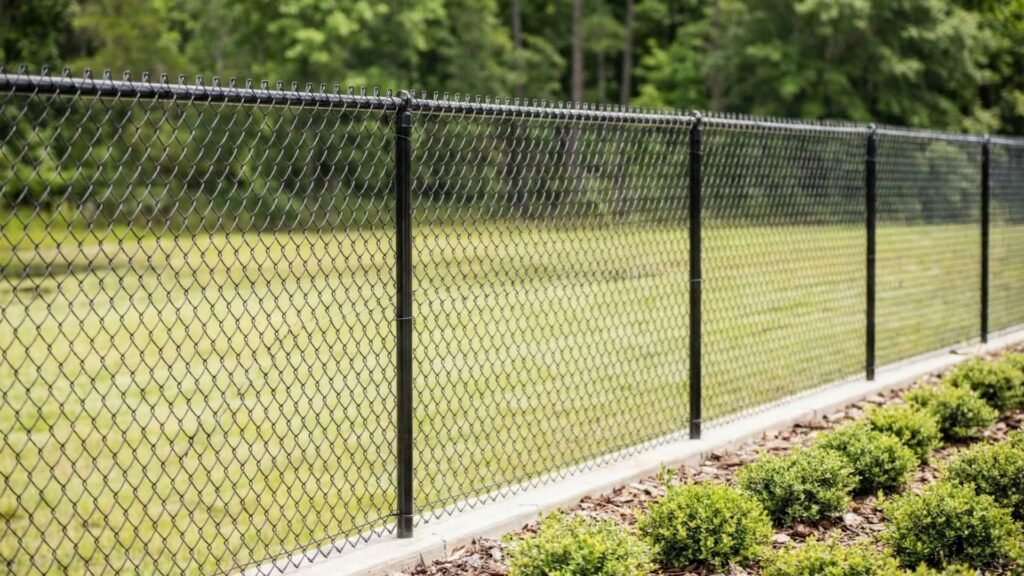
First, the posts matter more than most people realize. We use 2 to 2.5-inch diameter galvanized steel posts, set 36 to 42 inches deep in concrete. That’s below the frost line, which prevents the heaving that destroys so many installations. The concrete needs to cure properly, which is why we don’t rush jobs even when customers are eager to see progress.
The mesh itself needs to be quality 9-gauge galvanized steel with proper ASTM A392 certification. Cheaper 11 or 12-gauge wire might save a few dollars upfront, but it can’t handle the stress of wind loads and temperature changes. We stock vinyl-coated options too, which add extra rust resistance for properties near roads where salt spray is an issue.
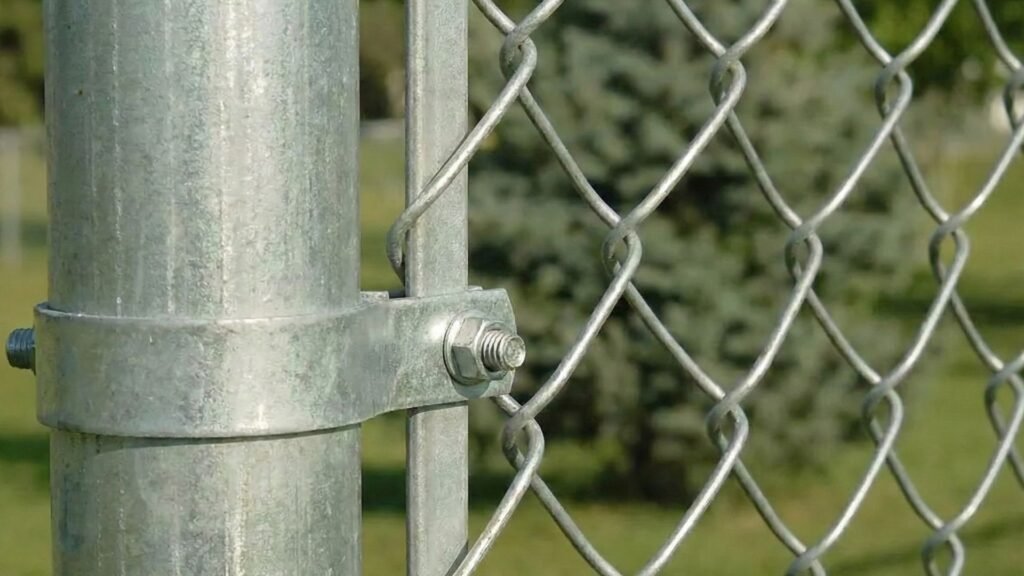
Tension is everything with chain link. The top rail needs proper tension bands every 8 to 10 feet, and the mesh has to be stretched correctly without over-tensioning. Get this wrong, and you’ll have sagging within the first year. The bottom of the mesh gets secured with tension wire, and we make sure there aren’t gaps larger than 4 inches at ground level.
Gates are often the weakest point in chain link installations. We use heavy-duty hinges rated for the gate size, proper latching mechanisms, and make sure the gate posts are extra secure. For pool areas or anywhere safety is critical, we install self-closing hardware that meets local codes.

When Chain Link Fencing Makes the Most Sense for Your Property
Chain link fencing isn’t the right choice for every situation, but when it fits your needs, it’s hard to beat for value and performance.
If you need to secure a large area without breaking the budget, chain link delivers. We regularly install chain link for commercial properties that need hundreds of linear feet of fencing. At $15 to $40 per linear foot installed, you can secure a lot of property for what a wood privacy fence would cost for a small backyard.
Pet owners love chain link because it’s completely secure when installed properly. Dogs can’t dig under it when the bottom is properly secured, and they can’t break through quality galvanized mesh. You can see your pets while they’re playing, and airflow keeps the yard comfortable.
Pool fencing is another perfect application. Chain link meets pool safety codes when installed at the right height with proper self-closing gates. The see-through nature lets you supervise swimming while maintaining the required barrier.
For industrial and commercial security, a chain link with privacy slats or razor wire options provides serious perimeter protection. We’ve installed chain link for everything from construction sites to warehouse facilities across Connecticut and New York.
Even for residential front yards, chain link can work well when you need to define property lines without blocking views. Many of our customers in areas like New Fairfield, Danbury, and Brewster choose chain link for side and back yards, then use ornamental fencing or wood for street-facing areas.
The versatility is remarkable. Chain link works on slopes, can accommodate utilities, and adapts to almost any terrain. It doesn’t rot like wood, doesn’t crack like vinyl, and doesn’t need regular maintenance like ornamental iron.



Our Complete Chain Link Installation Process
When you work with My Fence Guy for chain link fencing, you’ll know exactly what to expect from start to finish. We’ve developed this process over hundreds of installations to avoid the problems that plague other contractors.
Everything starts with a thorough site assessment. We walk your property with you to understand your goals, check for utilities (and always call 811 for professional locates), measure accurately, and identify any challenges like slopes or drainage issues. You’ll get a detailed written estimate that breaks down materials and labor so you know exactly what you’re paying for.
Once you approve the project, we order materials and schedule installation. We don’t start digging until we have everything on site, which prevents delays that leave your property torn up. Our crew arrives on time and sets up to protect your landscaping and existing structures.
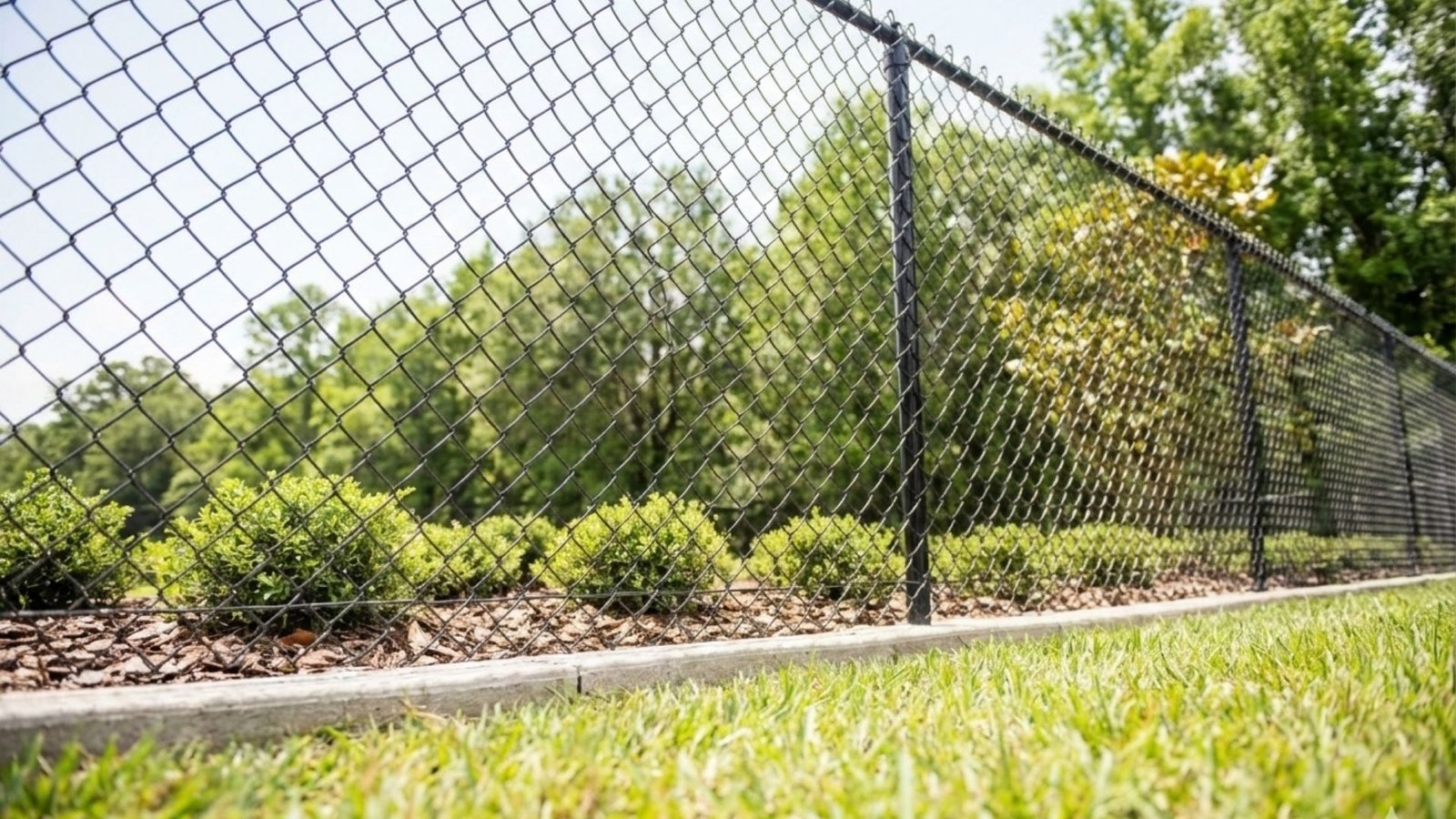
Post installation comes first. We mark locations precisely, dig holes to the proper depth (never less than 36 inches), and set posts in fast-setting concrete. Posts need time to cure before we can tension the fence, so we typically let them set overnight.
The next day, we install top rails, stretch and secure the mesh, and install gates. This is where experience really shows. Proper tensioning takes skill and the right tools. Rush this step, and you’ll have problems later.
Cleanup is part of every installation. We haul away all packaging and debris, backfill and level disturbed areas, and make sure your property looks better than when we started.
You get a final walkthrough where we explain maintenance (which is minimal for chain link) and review your warranty coverage. We’re available 24 hours a day if you have any questions or concerns after installation.


Why My Fence Guy Does Chain Link Installation Right

You have a lot of options for chain link installation in Connecticut and New York, but not all fence contractors understand what it takes to do the job right.
We’ve been installing fences since 2022, and we’ve learned from seeing too many failed installations by other contractors. When homeowners call us to fix sagging chain link or replace prematurely rusted fencing, we see the same mistakes over and over. Shallow posts, cheap materials, poor tensioning, and rushed installation.
That’s not how we work. We take the time to do things correctly because we know you’re counting on this fence to last. We’re licensed and insured, which protects both of us if something unexpected happens. More importantly, we stand behind our work with real warranties that we actually honor.
Our service area covers all of Fairfield County, parts of Litchfield County, and Westchester County in New York. We know the local soil conditions, building codes, and climate challenges. When we recommend 9-gauge galvanized mesh and deep post setting, it’s because we’ve seen what works in places like Bethel, Brookfield, Ridgefield, and Patterson.
We’re available 24 hours a day, seven days a week. That doesn’t mean we install fences at midnight, but it does mean you can reach us when you have questions or concerns. Try calling other contractors outside business hours and see what happens.
Speed, quality, and value are what we focus on. We work efficiently without cutting corners, use materials that provide the best long-term value, and price our work fairly. We’re not the cheapest option available, but we’re competitive with contractors who do comparable quality work.
Speed, quality, and value are what we focus on. We work efficiently without cutting corners, use materials that provide the best long-term value, and price our work fairly. We’re not the cheapest option available, but we’re competitive with contractors who do comparable quality work.
Most importantly, we treat every installation like it’s going on our own property. Your fence needs to work for your specific situation, and we take time to understand what that means.


Chain Link Fencing Options and Upgrades
Basic galvanized chain link fencing is just the starting point. Depending on your needs and budget, there are several options and upgrades that can make your fence more attractive, secure, or functional.
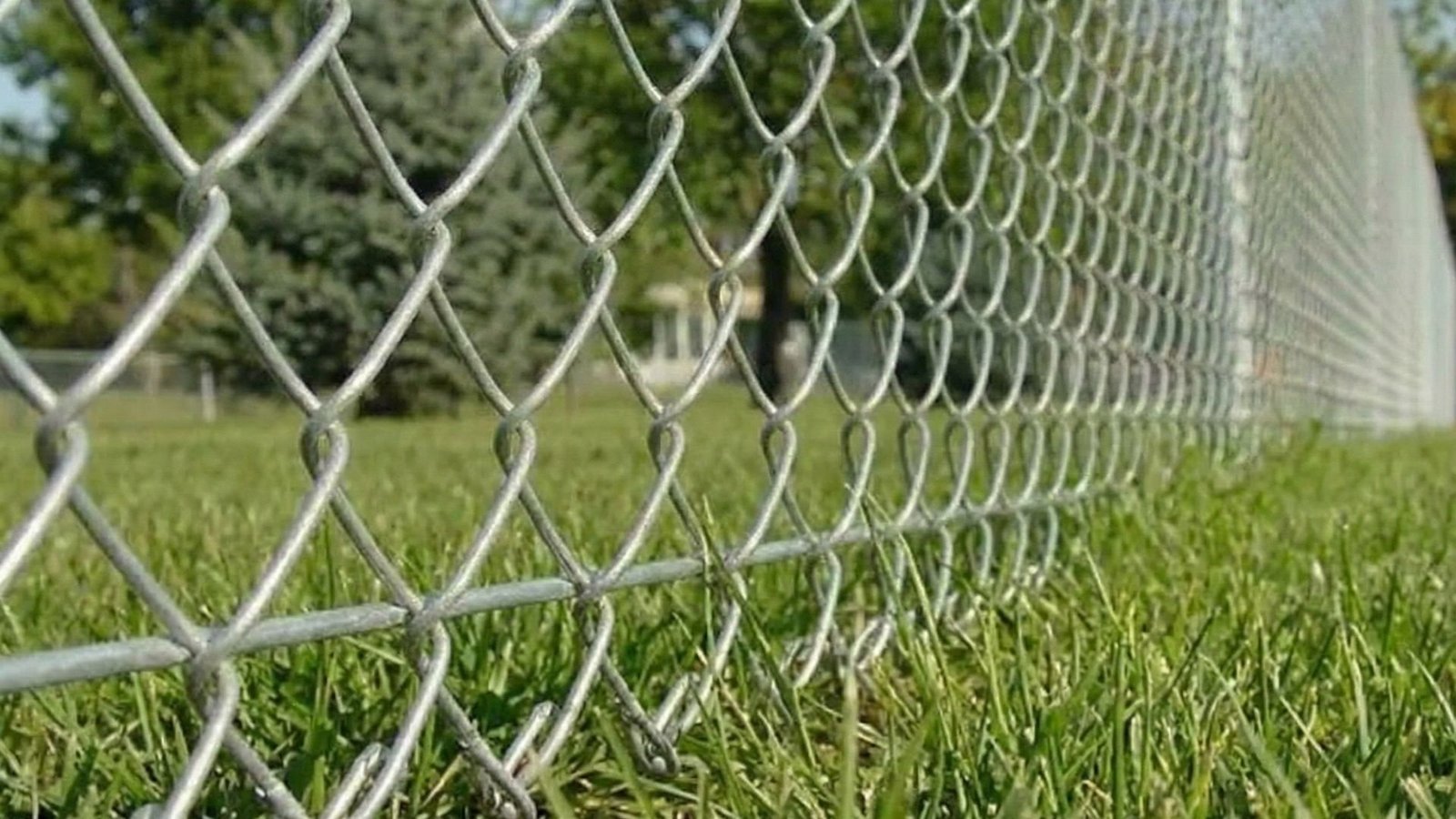
Vinyl coating is the most popular upgrade. It adds a layer of colored polyester coating over the galvanized steel, which provides extra corrosion resistance and a more attractive appearance. Black and green are the most common colors, and they blend better with landscaping than plain galvanized silver. The coating does add cost, but it extends the life of the fence and improves curb appeal.
Privacy slats transform chain link from purely functional to attractive. These vertical slats insert into the mesh to block visibility while maintaining airflow. They’re available in multiple colors and can be installed during the original installation or added later. Wind screens work similarly but use mesh fabric instead of rigid slats.
For security applications, we can install razor wire or barbed wire along the top rail. This obviously changes the appearance significantly, so it’s mainly used for commercial, industrial, or high-security residential applications. Some commercial customers prefer the security deterrent without the aggressive appearance, so we offer smaller mesh sizes that are harder to climb.
Gate options range from simple walk-through gates to large vehicle gates with wheels and automatic operators. Double gates can accommodate wide vehicles, and we can install multiple gates in long fence runs for convenience. Self-closing hinges and magnetic latches meet pool safety requirements.
Height options typically range from 4 feet for basic residential use up to 8 or 10 feet for security applications. Taller fences require heavier posts and more substantial bracing, which affects cost. Local zoning codes also limit heights in some areas, especially for front-yard installations.
For sloped terrain, we can rack the fence to follow the ground contour or step it in level sections. Racking works better for moderate slopes, while stepping is necessary for steep changes in elevation.
Maintenance and Longevity of Professional Chain Link Installation
One of the biggest advantages of quality chain link fencing is how little maintenance it requires compared to wood or ornamental iron fencing.
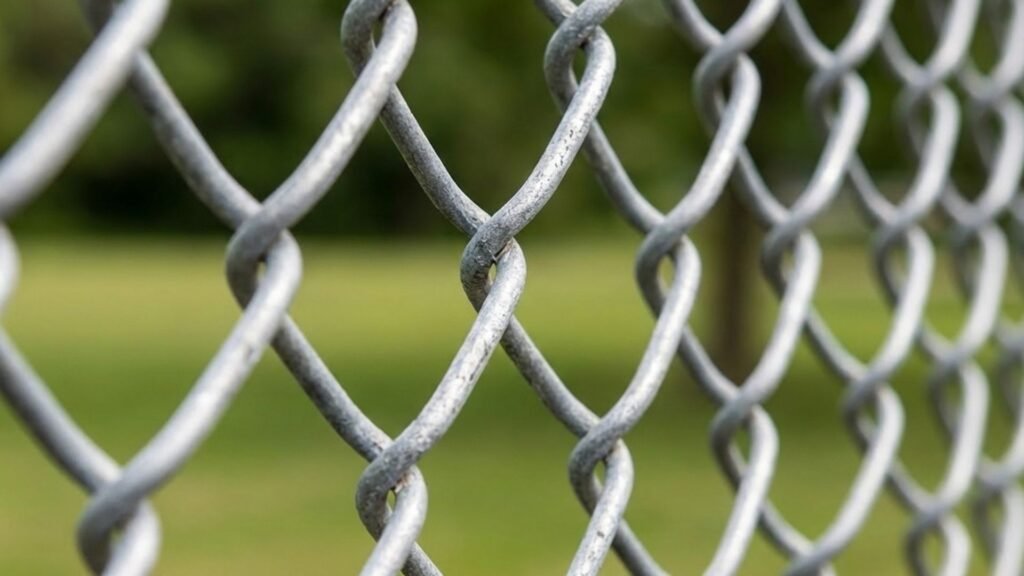
Properly galvanized chain link can last 25 to 30 years with minimal care. The galvanized coating protects the steel from rust, and vinyl-coated options add even more protection. In our climate with winter salt and summer humidity, that durability is valuable.
Basic maintenance involves keeping vegetation trimmed away from the fence line and occasionally hosing off dirt or salt buildup. If you notice any loose fittings, tightening them prevents bigger problems later. Gates get the most wear, so checking hinges and latches annually makes sense.


If damage does occur, the chain link is repairable. A damaged section of mesh can be replaced without rebuilding the entire fence. Bent posts can sometimes be straightened, though replacement is often more cost-effective. Having the work done properly initially means these repairs are rare.
The biggest threat to chain link longevity is poor installation. When posts aren’t set deep enough, freeze-thaw cycles gradually push them out of alignment. When tensioning is wrong, the mesh stretches and sags. When cheap materials are used, premature failure is inevitable.
That’s why choosing an experienced contractor matters so much. The difference between a 5-year fence and a 25-year fence isn’t usually the materials (though quality matters). It’s the installation expertise.
We warranty our chain link installations because we’re confident in our methods and materials. If you have any issues with your fence, we’ll make them right. Most of our chain link customers never need warranty service, but it’s there if you need it.
Cost Factors and Value for Chain Link Fencing


Chain link fencing costs vary based on several factors, but it’s consistently one of the most cost-effective fencing options available.
Height is the biggest cost factor. Four-foot residential chain link costs significantly less than six or eight-foot security fencing because of the additional materials and heavier posts required for taller installations. Gate size and complexity also affect pricing, especially for vehicle gates or automated systems.
Mesh gauge and coating options impact material costs. Standard galvanized 11-gauge mesh is the most economical option, while 9-gauge galvanized or vinyl-coated mesh costs more but lasts longer. For most residential applications, the upgrade to heavier gauge and coating pays for itself in longevity.
Site conditions affect labor costs. Level terrain with good access is straightforward to fence. Rocky soil, steep slopes, or tight access areas require more time and potentially special equipment. We assess these factors during our site visit, so there are no surprises in pricing.
Compared to other fencing options, chain link delivers excellent value. Wood privacy fencing might cost two to three times as much initially and requires regular maintenance. Vinyl fencing has higher material costs and can crack in cold weather. Ornamental aluminum or iron costs significantly more for comparable security.
The total cost of ownership over 20-25 years often makes chain link the most economical choice, especially for larger areas. When you factor in maintenance costs for wood fencing or replacement costs for cheaper alternatives, quality chain link installation becomes an even better value.
We provide detailed written estimates that break down all costs. You’ll know exactly what you’re paying for materials, labor, and any site-specific requirements. No hidden fees or surprise charges after work begins.
Local Installation Expertise Across Connecticut and New York
Every area we serve in Connecticut and New York has specific characteristics that affect chain link fence installation.
In Fairfield County towns like New Fairfield, Bethel, and Brookfield, we deal with rocky soil conditions that can make post installation challenging. Proper equipment and experience make the difference between a difficult job and a failed installation.
The coastal influence in areas like Westport and Darien means salt air that can accelerate corrosion on unprotected metal. We recommend vinyl-coated chain link for properties within a few miles of Long Island Sound.
Westchester County locations like Brewster and Patterson have similar soil and climate challenges. The mix of residential and rural properties means we install everything from small residential enclosures to large agricultural perimeter fencing.


Local building codes vary between municipalities. Some areas restrict fence heights in front yards, require permits for certain installations, or have specific requirements for pool fencing. We handle permit applications and ensure all installations meet local codes.
Utility locations are critical for fence installation, and we’re familiar with typical utility routing in all our service areas. We always call 811 for professional utility locates, but experience helps us plan installations efficiently.
Seasonal considerations matter too. We can install chain link year-round in most conditions, but concrete setting times are longer in cold weather. Summer installation is more comfortable for everyone, but we work throughout the year when customers need fencing completed.
Ready for a chain link fence that will actually last?
Call My Fence Guy today for your free estimate. We’re available 24 hours a day, 7 days a week to discuss your fencing needs and schedule your consultation. Don’t settle for installation that will fail in a few years when you can get it done right the first time.