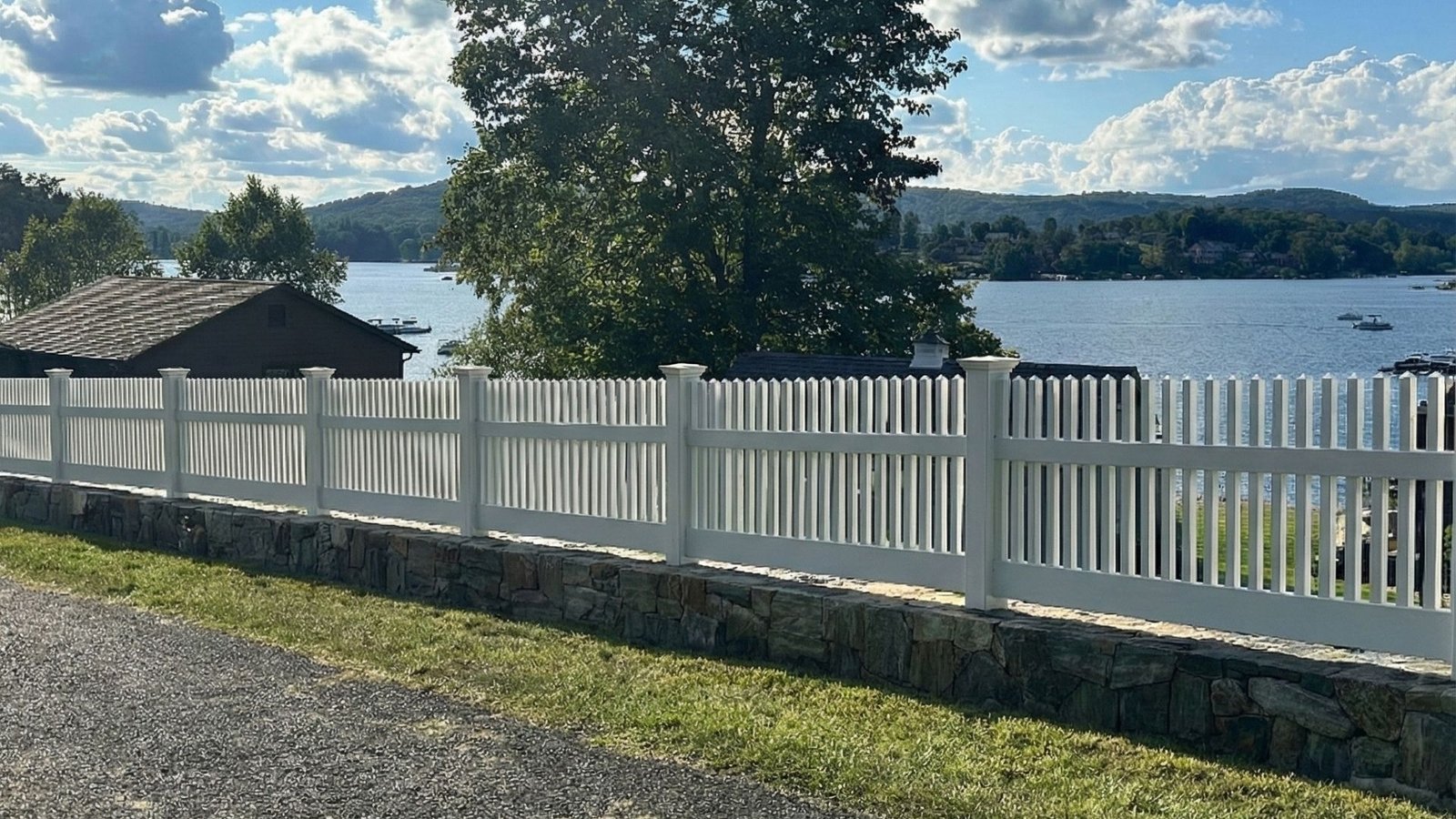
Residential Fence Installation: What Homeowners Should Know
You mark your calendar, maybe take a day off work, and then watch a crew pull into your driveway with tools, posts, and concrete. Your kids are excited, your dog is confused, and you just want to know one thing: how long will your yard look like a construction zone? For most homeowners in Connecticut and New York planning a residential fence installation, that question sits right at the top of the worry list.
The good news is that professional installers follow a predictable sequence, from unloading materials to the final cleanup, and the actual “torn up” phase typically wraps up in just one to five days for a standard residential lot. While Northeast conditions like deep frost lines around 32 inches, sloped yards, and add planning steps, they don’t necessarily expand the window of daily disruption if the work is organized properly.
Understanding what happens during each phase of the process can turn those vague worries into concrete expectations, so you know exactly when to keep the dog inside, when to expect noise, and when you can host that backyard barbecue again.
Key Takeaways
- Fence Jobs Span 1-5 Days in CT/NY: A flat, straightforward 150 to 200 foot installation often wraps in two to three days, while slopes, wetlands buffers, or extended concrete curing can push timelines to five days.
- Posts Form the Backbone: Post holes dug below the 32 inch frost line in Connecticut%20Proposed%202022%20Connecticut%20State%20Building%20Code.pdf) and set plumb in concrete require 24 to 48 hours to cure, preventing the heaving and leaning that can happen in Northeast freeze-thaw cycles.
- Prep Avoids Surprises: Calling 811 before any digging and checking local zoning regulations early can flag setback requirements, height limits, or potential spite-fence issues before the first shovel hits the ground.
- Cleanup and Walkthrough Included: Professional crews remove debris, check level and plumb, and restore disturbed turf or mulch as part of wrapping the job.
Understanding the Fence Installation Process in CT and NY
Professional fence installations in the Northeast follow a predictable sequence shaped by the region’s mix of wooded lots, rolling terrain, and codes that prioritize frost protection, property-line setbacks, and environmental buffers over speed alone. Connecticut’s spite-fence laws prohibit malicious structures, and New York law treats fences over 10 feet high built to block light or air as a nuisance, so reputable contractors keep heights within normal residential ranges and confirm survey lines early to avoid legal headaches.
Local Fence Environment and Process Needs
Regional conditions mean that many yards have mature trees, slopes, and corner lots with sight-triangle restrictions, so initial clearing and zoning verification happen before any digging starts. Some Connecticut towns require permits to verify the fence sits on your property and meets height and setback rules, protecting you from later orders to move the fence and re-disturb your yard. Installers also adapt access routes and equipment choices to navigate narrow side yards or steep grades without tearing up more lawn than necessary, concentrating disturbance along the planned fence line rather than across the entire property.
National vs. CT/NY Installation Timelines
Baseline national timelines for fence installation often cite one to three days for a straightforward 150 foot run on flat ground, but Northeast projects average three to five days when you account for concrete, deeper post holes to meet frost-line requirements, and permit coordination. Weather can also play a role, with wet seasons or early frost forcing crews to adjust schedules or add drainage steps. The extra day or two primarily reflects curing time rather than continuous heavy disruption, so while the calendar window is longer, the actual “yard is torn up” feeling remains concentrated in the first couple of workdays when digging and concrete placement happen.
Typical Timeline Ranges by Fence Length
For a standard residential fence around 150 to 200 feet in length on relatively flat terrain, national norms suggest one to three days total, but in Connecticut and New York that often extends to three to five days once you factor in 24 to 72 hour concrete cure times and any permit inspections. Larger or more complex projects involving steep slopes, wetlands buffers, or custom gate systems can add another day or two, but the physical disruption remains localized to the fence corridor and access paths.
Day-by-Day Breakdown Models
A typical sequence might look like this: Day 1 covers utility review, site clearing, and layout, taking four to six hours with minimal heavy equipment. Day 2 involves post-hole digging and concrete placement, with posts braced and left to cure overnight. Days 3 and 4 see, gate hanging, and alignment checks. Day 5, if needed, handles final inspections, touch-ups, and yard restoration. Slopes, wetlands, or extended cure times can shift this schedule, but the pattern remains consistent.
Key Steps in the Fence Installation Process
Core phases tie into regional codes whether you choose wood, vinyl, or chain link, and understanding each step helps you prepare your yard and schedule around the work.
Site Preparation and Layout
Calling 811 is mandatory before mechanized excavation, so underground gas, electric, and communications lines can be marked with flags or paint a few business days in advance. Crews also clear vegetation, stake string lines to mark the fence path, and confirm zoning setbacks, often measured in inches from property lines, and vision clearances at corners. This phase looks busy with flags and tape but causes minimal physical disturbance, and it sets the stage for accurate post placement.
Additional Steps for Complex Installs
Full-service jobs adapt to Northeast challenges, adding time and planning steps but not necessarily expanding the daily disruption footprint if managed carefully.
Handling Slopes, Pools, and Wetlands
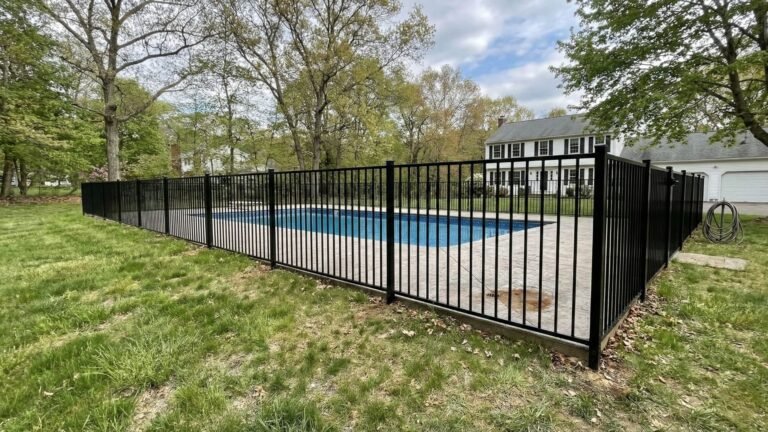
Racked panels on hillsides require careful post alignment and may need additional bracing, while pool fences must meet unclimbable height and spacing rules. Sites within 75 to 150 foot wetlands buffers can require silt fencing and erosion controls. These adaptations can add one to two days to the overall schedule but keep disturbance localized.
Finishing Touches and Yard Restoration
Post caps, trim boards, and final paint or stain go on near the end. Debris haul and cleanup happen during the job, avoiding the kind of lingering mess that can cause neighbor disputes or code violations. A final walkthrough checks level, plumb, and gate operation, ensuring the fence meets both your expectations and any inspection requirements.
Permits, Utilities, and Regulations in CT and NY
Pre-site legal steps keep the project compliant and prevent costly do-overs or safety incidents.
Zoning and Utility Coordination
Calling 811 is mandatory, and violations can carry civil penalties, so responsible contractors build this step into every project. Many towns don’t require a building permit for fences under six feet if they meet zoning rules, but spite-fence laws, wetlands regulations, and pool-safety codes can add extra review steps where applicable. This can be discussed with your fencing professional
What Homeowners Should Prepare For and Do
Supporting smooth execution means knowing what each day brings and having the yard ready for crews to work efficiently.
Daily Expectations During Install
Days one and two typically bring the most dust, noise, and equipment movement, with digging and concrete mixing concentrated along the fence line. Access to parts of the yard may be limited, but disturbance stays contained to the work corridor. You’ll need to be available for layout approval on day one and a final inspection.
Tips to Minimize Disruptions
Pre-clearing toys, tools, and lawn furniture from the fence corridor helps crews work faster and reduces the risk of damage. Pet plans matter, too, since gates may be open or temporary fencing may be needed during the install. Scheduling during off-peak seasons can reduce material wait times, and communicating with neighbors about the timeline can prevent surprises or complaints.
Process Comparison Table: Simple vs. Complex Fence Install in CT/NY
| Phase | Simple Install (Flat Backyard) | Complex Install (Slope/Wetlands) |
|---|---|---|
| Prep & Layout | 4-6 hours | 1 day with buffer zone controls |
| Post Setting | 1 day, 24 hour cure%20Proposed%202022%20Connecticut%20State%20Building%20Code.pdf) | 2 days with deep frost-line holes |
| Panels/Gates | 1 day | 1-2 days with racked panels |
| Total Timeline | 2-3 days | 4-5+ days |
Common Mistakes Homeowners Make During Fence Installation
Skipping the 811 call risks hitting underground utilities, which can cause injuries, service outages, and repair bills far exceeding the cost of the fence. Rushing concrete curing to meet a weekend deadline can leave posts loose and vulnerable to frost heave, undoing all the expense and effort. Poor access planning or failing to clear the work corridor can force crews to take longer routes or delay the job, adding fees and extending the timeline. Skipping the final walkthrough means you might miss alignment issues, gate problems, or incomplete cleanup that become harder to address once the crew has moved on.
Preparing Your Property for Fence Installation in CT/NY
Call 811 at least a few business days before the scheduled start to allow time for utility marking. Trim back tree branches or shrubs along the fence line if they obstruct access or measurement. Walk your property boundaries with a survey or property pins in mind to confirm the fence location meets setback requirements and avoids encroachment. Discuss pet containment plans with your installer, and let neighbors know the approximate timeline so they can plan around noise or temporary access restrictions.
Frequently Asked Questions About Residential Fence Installation
Q: What is the typical fence installation process?
A: The process starts with utility marking and zoning verification, followed by site layout and clearing. Post holes are dug below the frost line, then panels, rails, and gates are installed. Cleanup and a final walkthrough wrap the job, typically within two to five days for a standard residential project.
Q: How long does post curing take during install?
A: Concrete for posts set below the frost line%20Proposed%202022%20Connecticut%20State%20Building%20Code.pdf), depending on weather and the specific mix used. This curing period adds calendar time but reduces active yard disruption since crews aren’t on site during most of the wait.
Q: Are permits required for fence installation in my area?
A: Zoning permits are often required for fences above certain heights or to verify setbacks and property-line placement, but many Connecticut and New York towns don’t require a building permit for typical residential fences under six to seven feet if they meet zoning rules. Check your local town website or call the zoning office to confirm requirements for your specific property.
Q: What should I expect on install day 1?
A: Day one typically covers clearing vegetation, reviewing utility marks, and staking string lines to mark the fence path. Digging may start if utilities are clear and permits are in hand, but the heaviest work usually happens on day two once layout is confirmed and approved.
Q: How can I prepare my yard for fence installation?
A: Remove obstacles like toys, furniture, and planters from the fence corridor, secure pets or plan for their containment during the work, and communicate access needs if gates or driveways will be blocked. Calling 811 ahead of time and confirming permit status with your contractor also helps the job start smoothly.
Final Thoughts
Professional fence installers in Connecticut and New York deliver predictable residential projects that handle frost lines, zoning rules, and varied terrain, typically wrapping the physical work in two to five days with concentrated yard disruption during the first couple of workdays. Knowing the sequence from prep and utility marking through post curing, panel installation, and final inspection can ease the “how long will my yard be torn up?” worry and help you plan around the brief period of noise, equipment, and limited access. When you work with licensed contractors who understand Connecticut’s 811 requirements, local zoning setbacks, and the importance of frost-protected posts, you get a fence that meets codes, respects neighbors, and stands up to Northeast weather without repeated yard disruption or costly corrections. If you’re ready to turn your fencing plan into reality with a team that keeps the mess focused, the timeline clear, and the results reliable, reach out to My Fence Guy for a compliant, professional bid that fits your Connecticut or New York property.