
Fence Repair or Replacement? How to Tell Which Your Fence Needs
By Tony Pellicone12 min readPublished
- fence replacement
- homeowner guide
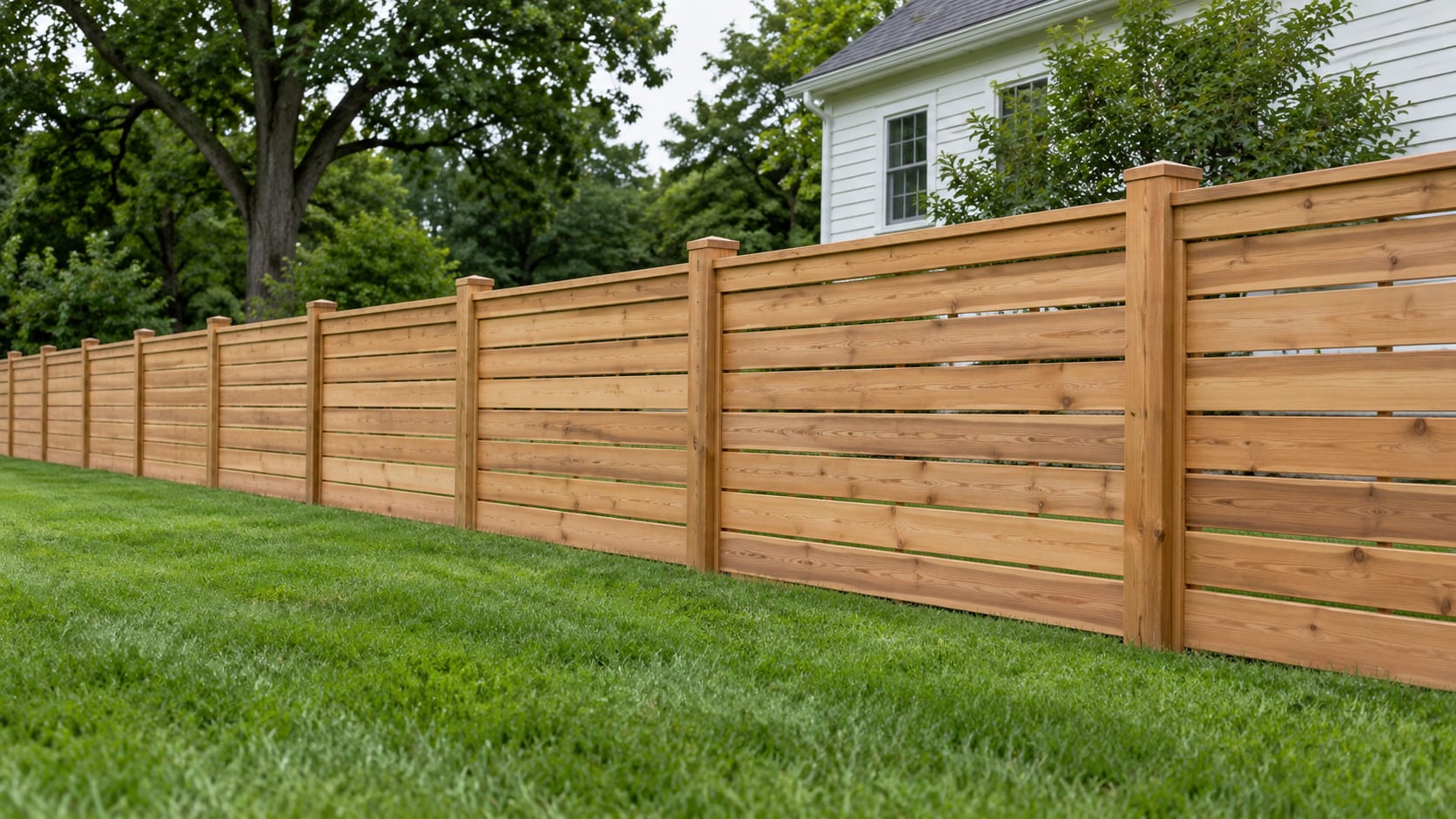
Repair usually makes sense when the damage is limited to a few boards, one or two posts, one panel, or a gate with sound posts and rails. Replacement is more likely when rot has spread, several posts have failed, rails are deteriorated throughout the run, storm damage affects many sections, or the fence is near the end of its expected service life.
Start at the ground line, not just with the pickets. A fence can look acceptable above grade while posts are soft, loose, or leaning below the soil. The condition of the posts and footings, the amount of damaged fencing, and whether the fence still provides security, containment, privacy, or pool protection will determine the better choice.
Key Takeaways
Local damage
A few boards, one panel, or one failed post often can be repaired.
Widespread failure
Several rotten posts, failed rails, or repeated leaning usually point toward replacement.
Ground-line inspection
Check posts where they meet the soil because hidden rot and footing movement can control the decision.
The 25% rule
An industry rule of thumb says replacement may be preferable when about one quarter of the fence needs repair.
Gate repairs
A stable hinge post and square gate frame often allow a gate repair without replacing the whole fence.
Local approvals
Ask your town about zoning, building, wetlands, pool, property-line, and sight-line requirements before work begins.
Start With the Parts That Carry the Fence
A few damaged boards do not usually justify replacing an entire run. The same is true for one damaged vinyl panel, a small section of chain link, or a gate that has loose hardware while its hinge post remains plumb and solid. In those cases, a repair can restore the fence without disturbing sound sections.
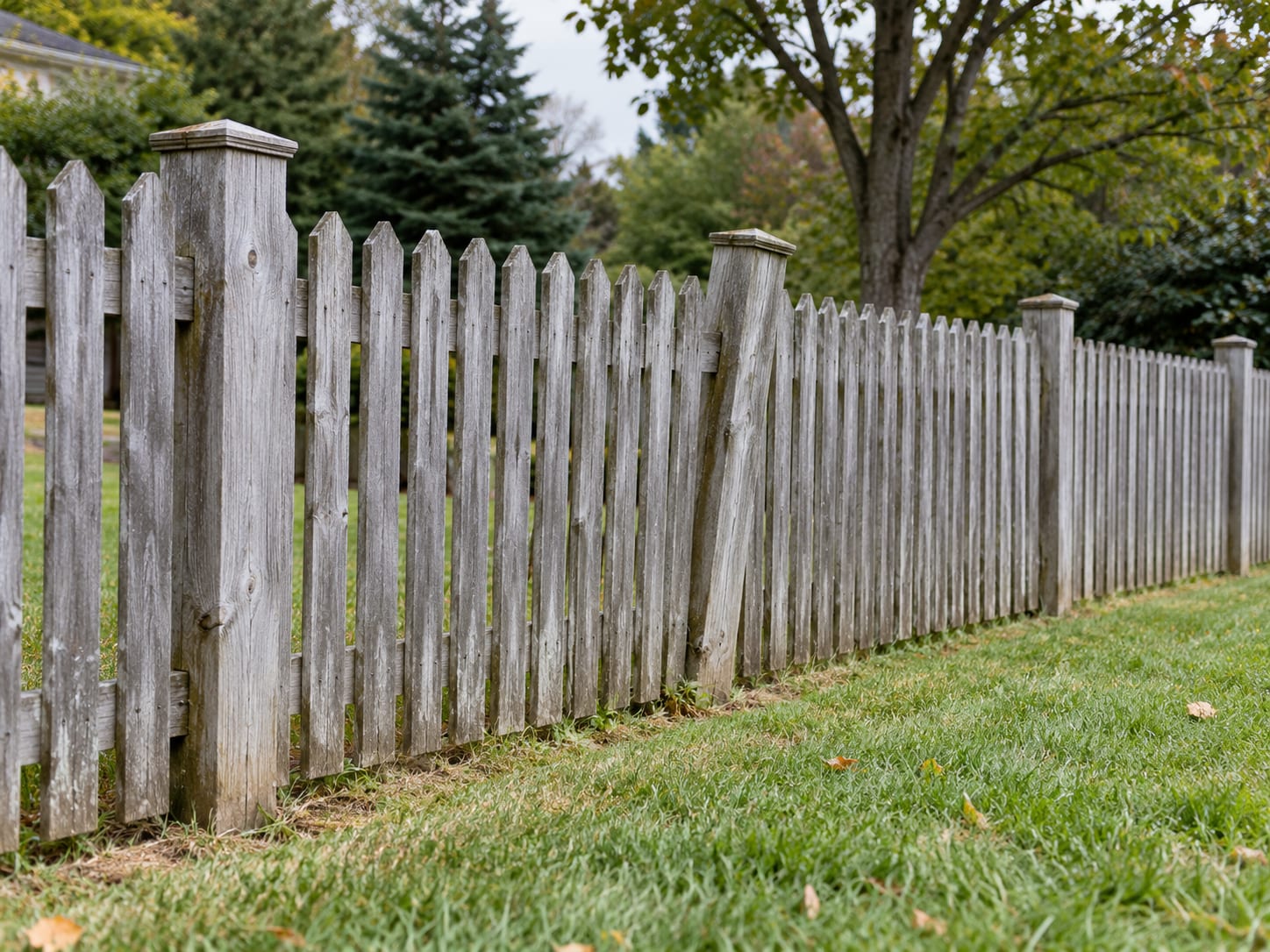
The decision changes when the structural parts are failing. Multiple soft posts, rails that have lost their strength, repeated leaning, or panels that pull loose from several locations suggest that the fence is failing as a system. Replacing one visible part may leave the same problem in the next section.
The American Fence Association’s *Fencepost* magazine reported a fence-repair contractor’s rule of thumb that replacement is preferable when approximately 25% of the fence needs repair. That figure is an industry opinion, not a Connecticut rule or universal engineering standard. It can help frame the conversation, but the condition of the posts, rails, footings, and intended use matters more than a single percentage. American Fence Association, *Fencepost*
For a wood fence, probe or inspect the post at the soil line and below it where practical. A post may look sound above ground but have softened where water collects. On a fence beside an old stone wall, the available footing area may also affect whether an individual post can be reset or whether the section needs a different layout.
When replacement is the better use of money
Replacement becomes more likely in these situations:
- Rot affects several posts or sections.
- Rails are deteriorated throughout the run.
- Storm damage has affected many panels or posts.
- The fence is near the end of its expected service life.
- The fence no longer contains livestock, keeps a dog safely in the yard, protects a pool, or provides the required security.
- A repair would require matching many old or discontinued materials.
- The cost of repeated repairs is approaching the cost of a new fence.
A replacement estimate should identify how much fencing is being removed and rebuilt, how many posts and gates are included, what material will be used, and whether excavation, concrete, disposal, permits, and access conditions affect the price. If you are comparing wood with another material, the wood fencing options can help you review the type of fence being considered before requesting a quote.
How to Fix a Leaning Fence Post
A leaning post is repaired according to the reason it moved and the amount of sound material left in the post. A loose footing, frost movement, soil movement, rot, or pressure from connected rails can all produce a similar-looking lean.
A sound but loose post can be dug around, returned to plumb, braced temporarily, and reset with a new concrete footing or properly compacted fill. The adjacent rails should be checked while the post is braced. If they are pulling against the post, resetting the post alone may not solve the problem.
A post with limited deterioration can sometimes be reinforced with a metal post-mender bracket, a steel brace driven into the ground beside the post and bolted to it, so the existing post and footing stay in place. It works only when the post still has enough sound wood to hold the bolts.
A post that is rotten at or below the ground line should generally be removed and replaced. Replacing the post and rebuilding the footing addresses the failed structural member instead of adding support to deteriorated wood. Sistering, which means placing a new post or structural member beside the old one and fastening it to the rails or framing, can stabilize a post when the surrounding fence remains sound. The connection and footing still have to carry the load.
Before excavation with mechanized equipment, contact Call Before You Dig at 811 or 1-800-922-4455. Connecticut PURA states that notice should be given at least two full business days before digging. Connecticut PURA, Call Before You Dig
Leaning Post Repair Process
- 1
Inspect the post
Check the ground line, below-grade condition where possible, footing, rails, and connected panels.
- 2
Identify the cause
Separate a loose footing, soil movement, pressure from the fence, and rot.
- 3
Choose the repair
Reset a sound post, reinforce limited deterioration, sister a stable structure, or replace a rotten post.
- 4
Brace and align
Hold the post in a plumb position while the footing or connection is rebuilt.
- 5
Check the run
Inspect nearby posts and rails so the repair addresses related movement.
- 6
Restore the fence
Reattach panels, rails, gates, and hardware after the post is stable.
Cost Depends on the Scope, Material, and Access
National figures can help with preliminary budgeting, but they are not Connecticut quotes. Angi reports a national average fence-repair cost of $618 per project, with most projects between $304 and $948 per project as of 2026. Angi also reports national repair costs of approximately $10 to $30 per linear foot and replacement costs of approximately $6 to $50 per linear foot, depending on material and project conditions. Angi, fence repair costs
Fixr reports a national fence-repair range of $200 to $850 per project and a national average of $500 per project in 2025. These figures are useful for a starting point, but local conditions can change the estimate. Rocky soil, ledge, roots, difficult access, disposal, fence height, material availability, and the need to match an older fence can all affect the work. Fixr, fence repair cost
Hover or tap a row to highlight it.
| Work | Reported national figure | Unit and source |
|---|---|---|
| Average fence repair | $618 | Per project, Angi, 2026 |
| Most Angi repair projects | $304 to $948 | Per project, Angi, 2026 |
| Fence repair | $10 to $30 | Per linear foot, Angi, 2026 |
| Fence replacement | $6 to $50 | Per linear foot, Angi, 2026 |
| Wood post replacement | $120 to $350 | Per post, Angi, 2026 |
| Leaning fence repair | $200 to $400 | Per project, Angi, 2026 |
| Rot repair | $150 to $500 | Per project, Angi, 2026 |
| Gate repair | $100 to $400 | Per project, Angi, 2026 |
| Painting or staining | $3 to $14 | Per linear foot, Angi, 2026 |
| Fence repair range | $200 to $850 | Per project, Fixr, 2025 |
A written estimate should state whether the price is per post, panel, gate, linear foot, or project. It should also identify excavation, concrete, disposal, permits, matching materials, work outside the fence line, and any conditions that could change the price. My Fence Guy can prepare a written scope that separates the affected sections from optional replacement work, which helps you compare a repair with a full rebuild.
A Sagging Gate Often Starts at the Hinge Post
A sagging gate may be caused by loose hinges, an out-of-square frame, a weak or leaning hinge post, or rot. The hinge post is often the part carrying the most important load. If it moves when the gate opens, tightening hardware alone is unlikely to last.
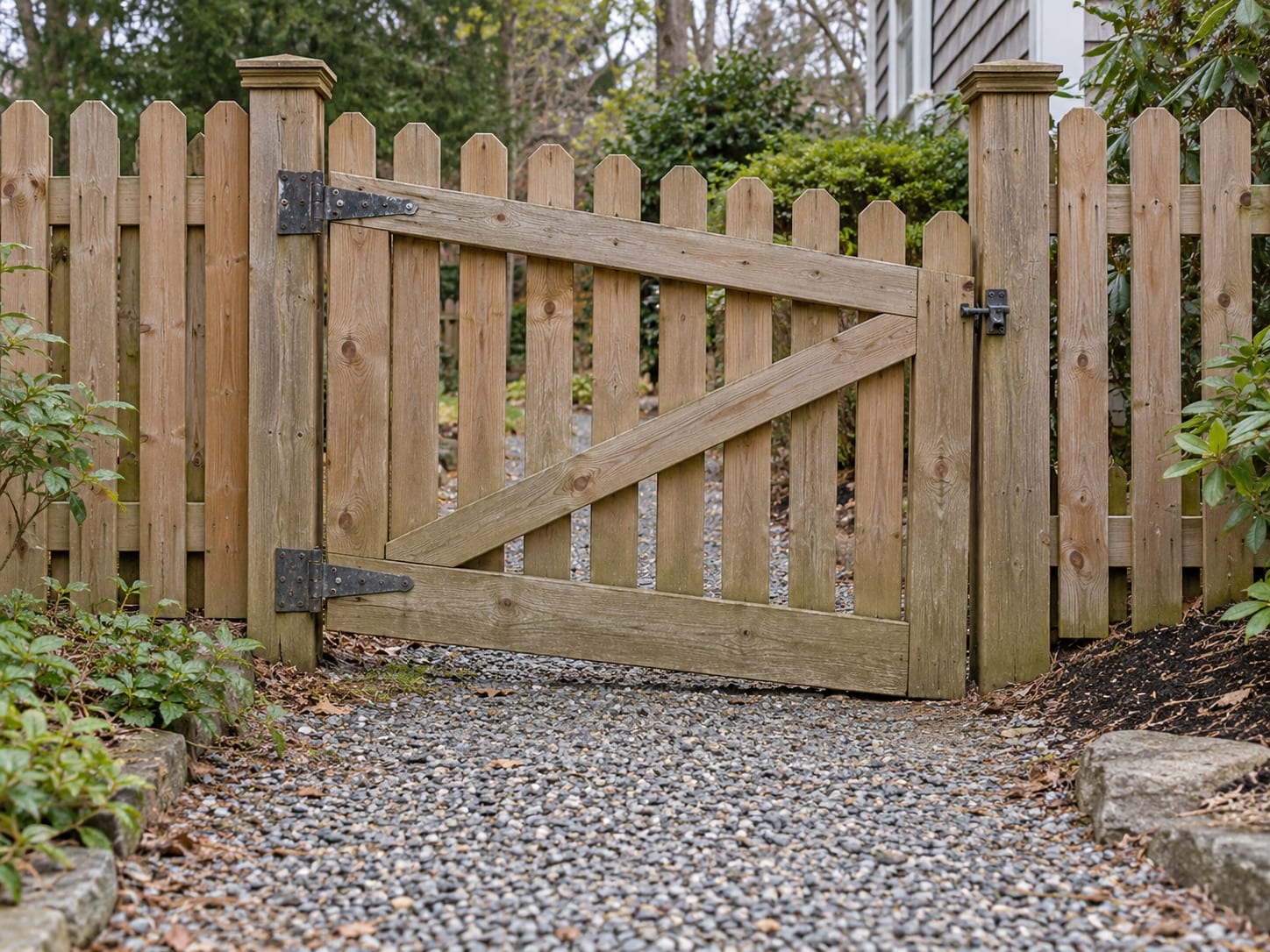
When the post is stable, a gate can often be repaired by tightening or replacing hinges and fasteners, re-squaring the frame, adding an anti-sag cable and turnbuckle, or installing a diagonal brace. Damaged gate framing or pickets should be replaced rather than fastening new hardware into rotten material.
If the hinge post is leaning, the post may need to be reset or replaced before the gate can be aligned. A square gate supported by a plumb, stable hinge post can usually be repaired without replacing the entire fence. This Old House, repairing a sagging fence gate
For a driveway or estate gate, the weight, hinge arrangement, latch, clearance, and opening direction matter. A gate that protects a dog, pool, farm entrance, or business perimeter also has to close and latch reliably after the repair.
Check Town Requirements Before You Order Materials
Fence requirements vary by municipality. The correct office depends on the address, zoning district, fence height and location, and whether the work affects a pool, wetlands, historic district, street sight line, or property line.
Ridgefield’s Planning and Zoning Department states that fences may require a zoning permit, building permit, or additional approval. Its zoning regulations are specific to Ridgefield and should be checked for the property. Ridgefield permit types
New Milford’s zoning regulations state that residential fences may not exceed 8 feet in height and may not interfere with sight lines or traffic safety. Its zoning permit guidance requires a survey or plot plan for zoning applications. New Milford zoning regulations New Milford permit requirements
Danbury publishes zoning regulations with district-specific requirements. The applicable rule depends on the property’s district and project details. Danbury zoning regulations
Nearby New York municipalities also set their own requirements. Putnam Valley publishes a fence and wall permit application through its Building and Zoning Department. Bedford lists fences and walls among projects requiring Building Department permits. Tarrytown requires a building-permit application, a current survey or plot plan, material information, and compliance with a six-foot maximum fence height, with Architectural Review Board approval for certain fences visible from a public street. Putnam Valley Building and Zoning Bedford Building Department Tarrytown fence permit procedure
Dutchess County explains that zoning boundaries and rules are enacted by individual towns, cities, and villages. Contact the local municipality about the exact address, zoning district, height, setbacks, sight lines, wetlands, pool requirements, repair scope, and permit category. Dutchess County zoning map
For a broader Connecticut permit overview, see Do You Need a Permit for Fence Installation in CT?. If a boundary or cost-sharing dispute involves a neighbor, speak with a Connecticut real estate attorney.
Insurance and Storm Damage
Homeowners insurance may cover a fence damaged by a covered event such as wind, snow, ice, or a falling tree, but the policy language, deductible, condition of the fence, and covered peril control. The Connecticut Insurance Department states that homeowner policies cover windstorm loss, including tornado and hurricane damage, subject to policy terms and the deductible. A fence is generally treated as an other structure, but the policy determines the limit and settlement method. Connecticut Insurance Department, Homeowners Storm Claims
After sudden damage, photograph the fence, take reasonable steps to prevent additional damage, keep receipts, review the declarations page, and report the loss to the insurer. Ask whether the fence is covered as an other structure, whether a wind, snow, ice, or hurricane deductible applies, whether payment is based on replacement cost or actual cash value, and whether the insurer wants an inspection before emergency removal.
If a tree falls on your own fence, ask the insurer whether the loss is covered under the policy’s wind, snow, or ice provisions. The Department states that a tree owner is not automatically responsible when a tree falls on a neighbor’s property. Liability coverage may respond if negligence is proven. Otherwise, the neighbor’s own property coverage may apply. Connecticut Insurance Department, Homeowners Insurance resources
Frequently Asked Questions
Should I repair or replace my fence?
Repair the fence when damage is limited to a few boards, one or two posts, one panel, or a gate and the remaining posts, rails, and framing are sound. Replace it when rot, leaning, failed posts, or storm damage affects a substantial portion of the run or when the fence no longer serves its purpose.
How do you fix a leaning fence post?
Fix a leaning post by first determining whether the post, footing, soil, or connected rails caused the movement. A sound post can be reset, a moderately weakened post may accept a bracket or sister post, and a rotten post generally should be removed and replaced with its footing.
Does homeowners insurance cover a fence?
It may cover a fence when a covered event such as wind, snow, ice, or a falling tree causes the damage. The policy, deductible, covered peril, fence condition, and settlement method control, so report the loss and ask the insurer for a coverage determination.
How much does fence repair cost?
National estimates include $200 to $850 per project from Fixr and an Angi average of $618 per project, with most Angi projects between $304 and $948. Angi also reports approximately $10 to $30 per linear foot for repairs, but Connecticut pricing depends on access, material, excavation, disposal, and the number of posts or sections involved.
How do you fix a sagging gate?
Fix a sagging gate by checking the hinge post first, then tightening or replacing hardware, re-squaring the frame, and adding a cable, turnbuckle, or diagonal brace when appropriate. A rotten or moving hinge post should be reset or replaced before the gate is aligned.
Fence Repair or Replacement Check
1. Which condition most often points toward repair?
2. What should you inspect first on a leaning wood post?
3. What should you do before mechanized excavation in Connecticut?
4. What is often the first structural part to check on a sagging gate?
5. What kind of cost figure is Angi’s $618 repair average?
Pick an answer to begin.
Final Thoughts
The practical choice comes down to sound structure, not age alone. Check the ground line of the posts, count the damaged sections, test the gate and latch, and decide whether the repair will leave you with a safe fence that still has reasonable service life. Then confirm local requirements before digging or ordering materials.
For a written comparison of repair and replacement, ask for the affected linear footage, post count, gate work, materials, excavation, disposal, permit responsibility, and any access conditions to appear in the estimate. Call us at (203) 746-1100 for a free estimate, or reach out through our contact page.
Fence Repair Terms
Tap a term to see what it means.
Ground line. The point where a fence post meets the soil, where hidden rot often develops.
More about fences
How Long Does a Fence Last? Lifespan by Material in New England
Fence lifespan by material in New England: wood, vinyl, aluminum, chain link and steel, what shortens fence life here, and signs it is time to replace.
Read the guide to How Long Does a Fence Last? Lifespan by Material in New EnglandNew Fence Installation vs Fence Replacement: What Ridgefield, CT Homeowners Need to Know
When your property needs a new fence in Ridgefield, CT, you might wonder whether a complete installation or a replacement makes more sense. You might also...
Read the guide to New Fence Installation vs Fence ReplacementDo You Need a Permit to Replace a Fence in Connecticut?
Replacing a fence in the same spot in Connecticut: when towns treat it as new work, what happens to a grandfathered fence, and what to check before you start.
Read the guide to Do You Need a Permit to Replace a Fence in Connecticut?