
What Happens If You Build a Fence Without a Permit in Connecticut?
By Tony Pellicone11 min readPublished
- fence permits
- zoning
- connecticut
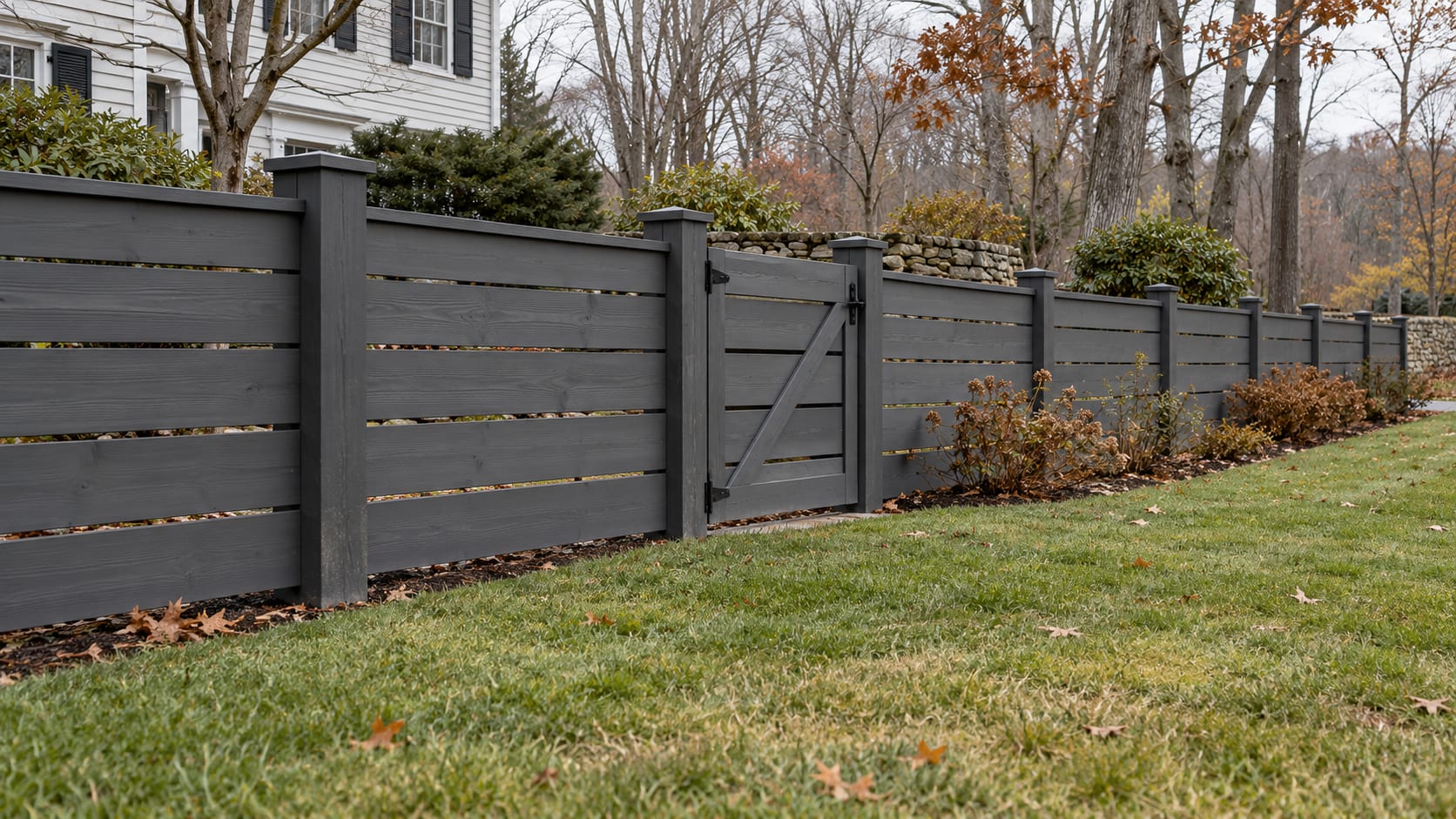
If you build a fence without a required permit or zoning approval in Connecticut, the town may require an after-the-fact application, inspection, correction, relocation, reduction in height, or removal. An ordinary fence not over 7 feet high may be exempt from the state building-permit requirement, but local zoning rules still control many details, including setbacks, location, height, wetlands, roads, and property lines.
The first step is to identify the municipality and ask its building department and planning and zoning office what applies to your exact parcel. If the fence is already built, stop additional work, describe the fence accurately, and ask what approval or correction process the town requires.
Key Takeaways
State building code
An ordinary fence not over 7 feet high may be exempt from the Connecticut State Building Code permit requirement.
Local zoning
A town may still regulate fence height, setbacks, location, frontage, roads, wetlands, and property lines.
Enforcement
A written violation order may require correction, abatement, modification, or removal.
Late approval
An after-the-fact permit reviews completed work and does not automatically legalize it.
Property sale
Permit records, disclosures, inspections, and zoning letters can bring an unapproved fence to light.
Next step
Ask the town in writing what permits, inspections, surveys, or corrections apply.
The state building permit exemption is only one part of the answer
Connecticut’s State Building Code lists fences other than swimming-pool barriers that are not over 7 feet high as work exempt from the state building-permit requirement. That exemption does not authorize work that violates a local ordinance or another applicable law.
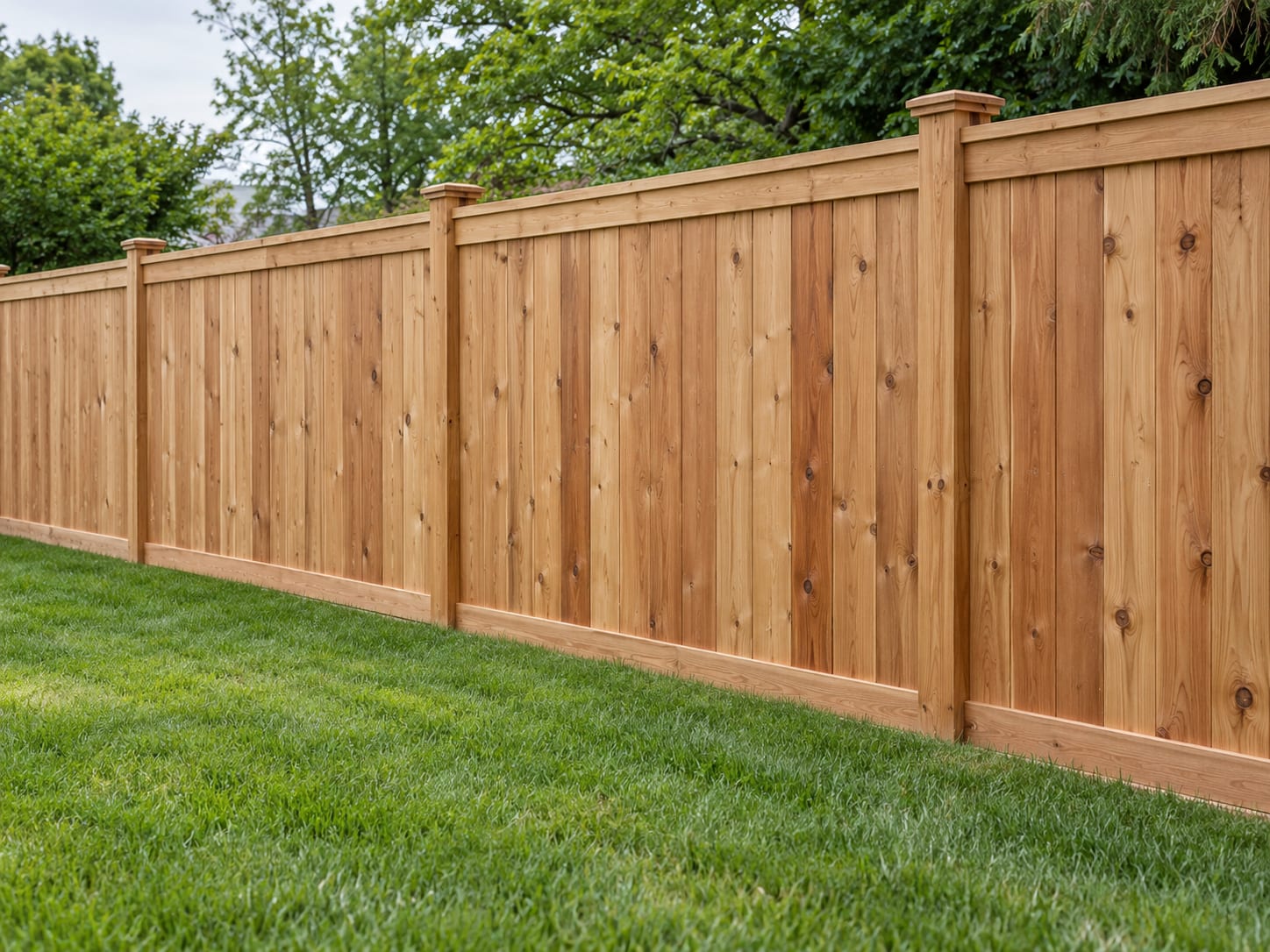
This means a 6-foot fence may avoid a state building permit and still need local zoning approval. A town may regulate the fence based on its location in a front, side, or rear yard, its distance from a road or property line, its effect on corner visibility, or its placement near wetlands, a watercourse, an easement, or a right-of-way.
A pool barrier is treated differently. Pool fencing can have requirements for height, openings, gates, latches, and clearances. If your fence encloses a pool, ask the building department about the barrier rules before relying on the ordinary fence exemption. The same question applies if the fence is over 7 feet high or connected with other construction.
For a broader starting point, see Do You Need a Permit for Fence Installation in CT?. The answer still has to be confirmed with the municipality where the property is located.
What information should you give the town?
Give the office enough detail to evaluate the actual fence rather than a general description. Include the property address, parcel or assessor information, fence height, total length, materials, yard location, distance from property lines and roads, and whether the fence encloses a pool.
Also mention wetlands, a watercourse, a public road, a drainage or utility easement, a historic district, a floodplain, or excavation near an old stone wall. On a western Connecticut property, ledge may change how posts are installed, and nearby wetlands can add a site review before digging.
Ask whether the project needs a building permit, zoning permit, zoning approval, wetlands review, highway approval, plot plan, survey, inspection, or written zoning compliance determination. Request the answer in writing.
What enforcement can follow a missing permit?
A fence that violates a local zoning regulation can lead to a written violation order requiring you to correct or abate the violation. Connecticut General Statutes §8-12 authorizes municipal officials to inspect property, order written remediation, seek court action to restrain or correct a violation, and prevent unlawful use or occupancy.
The town’s response depends on the facts. If the fence is legal but the required paperwork was skipped, the town may direct you to submit a late application and complete an inspection. If the fence is too high, too close to a road, across a property line, or in a location that cannot be approved, the required correction may involve moving, shortening, rebuilding, or removing it.
Potential statutory penalties under Section 8-12 include the following:
Hover or tap a row to highlight it.
| Situation | Potential statutory consequence |
|---|---|
| Violation continues | $10 to $100 per day |
| Willful violation | $100 to $250 per day, imprisonment of up to 10 days for each day, or both, subject to the statutory maximum |
| Failure to comply with an order within 10 days, or continuation of an identified violation | Up to $2,500 |
| Local citation ordinance under §8-12a | Up to $150 per day, if the municipality adopted the ordinance |
These figures describe possible statutory tools, not an automatic penalty for every fence. A town’s zoning regulations and enforcement practices control the procedure. Morris’s 2025 zoning enforcement procedure describes written violation and cease-and-desist orders. Stratford’s zoning regulations address enforcement of an order to discontinue a violation, and Haddam’s regulations authorize a zoning enforcement officer or building official to order violating construction to cease and desist.
If you receive an order, read the stated deadline, required correction, appeal information, and office responsible for follow-up. For a contested enforcement action or property-boundary dispute, speak with a Connecticut real estate attorney.
How an after-the-fact permit works
An after-the-fact permit is an application submitted after work has already been completed. It gives the local department a way to review the existing work, but it does not automatically approve or legalize the fence.
Old Lyme’s official instructions state that a separate application is required for each type of work requiring a permit. The permit is marked to show that the work was previously completed without the proper permit and inspections. The building official may require finished portions to be opened so concealed construction can be inspected, and code violations must be corrected before a certificate of approval or occupancy can be issued. See Old Lyme’s after-the-fact permit instructions.
For a fence, the town may ask for a plot plan, survey, as-built drawing, photographs, dimensions, property-line information, or an inspection. The office may review the fence against the rules in effect for the property and the type of approval being requested. Ridgefield’s land-use FAQ identifies questions such as applicable code, required inspections, fines, and available records. Ask the local office which requirements apply to your fence.
Norwalk publishes a local rule charging double the listed fee for an after-the-fact zoning permit. That is a Norwalk rule, not a statewide Connecticut fee. Confirm the current fee with the town handling your property.
A written quote from a fence contractor should identify who handles the permit application, survey or plot plan, utility marking, inspection coordination, and corrections. My Fence Guy can help organize the fence details and written scope, but the municipality decides which approvals are required.
What happens when the fence is discovered during a sale?
An unapproved fence may come up during a sale through the seller’s residential property condition disclosure, the buyer’s inspection, questions about the fence, a municipal permit-record search, a zoning verification letter, or a title and closing review.
Connecticut’s residential property condition disclosure law requires the seller of covered residential property to provide the report before the buyer signs a binder, contract, option, or lease with an option to buy. The state form asks about matters including claims to ownership or use of part of the property, easements, encroachments, flood hazards, and inland wetlands. A fence may also be a material fact if you know it creates a zoning, location, boundary, safety, or compliance problem.
The Connecticut Department of Consumer Protection disclosure form tells prospective buyers to consult the municipal building official about permits and certificates of occupancy. The form is not a substitute for a property inspection.
A zoning verification or compliance letter may identify open zoning violations or other municipal information. Hartford’s zoning compliance letter page is one example of a municipal process. Towns use different names, forms, records, and fees, so ask the municipality whether it offers a zoning verification, zoning compliance, open-violation, or permit-history letter.
A missing permit alone does not answer whether a seller must disclose the fence. The key questions are whether approval was required, whether the fence violates a rule, whether the seller knows about the issue, and whether the issue is material to the property. A real estate attorney can advise you about a specific disclosure or closing dispute.
A practical way to fix an existing fence
Start with the municipality, not with demolition. A fence can sometimes be approved as built, but you need the town’s direction before spending money on changes or removing posts that may be near a boundary, wetland, or easement.
Steps for a Fence Built Without Required Approval
- 1
Stop additional work
Do not extend, replace, or alter the fence until you know which office has jurisdiction.
- 2
Describe the property
Provide the address, parcel information, dimensions, materials, location, and nearby roads, property lines, pools, wetlands, or watercourses.
- 3
Ask in writing
Ask the building official and zoning enforcement officer which permits, approvals, inspections, surveys, or drawings are required.
- 4
Apply after the work
Submit the required after-the-fact building or zoning application and pay the municipality’s current fee.
- 5
Complete review
Provide an inspection, plot plan, survey, as-built drawing, photographs, or other documents requested by the town.
- 6
Correct the fence
Change its height, location, configuration, gate, or materials if the town identifies a compliance issue.
- 7
Ask about a variance
If the fence cannot comply, ask the zoning office whether a variance application is legally available.
- 8
Appeal when appropriate
Review the appeal deadline for a formal zoning enforcement decision and speak with a Connecticut real estate attorney about a disputed matter.
A variance is not a general way to excuse a missed permit. Connecticut variance law under Sections 8-6 and 8-7 requires exceptional difficulty or unusual hardship resulting from conditions especially affecting the parcel. East Hartford’s variance information warns that hardship created by putting up a structure without a permit is not a proper basis for a variance.
If the dispute involves a neighbor, boundary, or old stone wall, obtain the town’s instructions before moving the fence. A neighbor agreement may address access, maintenance, or cost sharing, but it does not replace a permit, variance, wetlands approval, survey, or compliance with a public right-of-way.
Where the state exemption ends and town approval begins
Each Connecticut municipality runs its own fence-permit process. Local governments set different height limits, setbacks, permit thresholds, fees, forms, inspections, and enforcement procedures.
In Connecticut, the State Building Code exemption for an ordinary fence not over 7 feet high is a state rule. Local zoning may still require approval. Norwalk’s double-fee rule applies to Norwalk’s after-the-fact zoning permits. Ridgefield’s land-use questions apply to Ridgefield properties. Morris’s enforcement procedure applies to Morris.
Before ordering materials, contact the building or zoning office for the exact municipality. If you are comparing materials for a compliant replacement, residential fencing options can help you discuss the proposed style, height, gates, and layout with the contractor after the town confirms the requirements.
Across the state line, Putnam Valley, New York, requires a building permit for fences, walls, and enclosures within 5 feet of a property line or roadway, and its residential side and rear fences may not exceed 6 feet. Kent, New York, lists fences higher than 6 feet as requiring a building permit and zoning approval.
Before digging or rebuilding
Permit approval is only one part of a safe fence installation. Connecticut’s Call Before You Dig program sets notice requirements for covered excavation. Fence posts may be placed near utility lines, drainage features, or rights-of-way, so confirm the current notice process before digging.
Wetlands and watercourses can require separate municipal review through the inland wetlands agency. The Connecticut DEEP municipal wetlands permitting page explains that local agencies handle municipal inland wetlands permitting. Ask whether the proposed fence, access route, grading, fill, or excavation needs review.
The installation sequence should be settled before a crew arrives: property lines and setbacks, utility marking, post locations, gates, inspections, and final documentation. A fence on rocky soil or ledge may require a different post installation method, but the town still decides whether the final location and dimensions comply.
Frequently Asked Questions
What if I don't get a permit to build a fence?
First determine whether the fence required a permit or approval. If it did, the town may require an after-the-fact application, inspection, survey, correction, increased local fee, or removal. Contact the building and zoning offices with the fence’s height, location, materials, and property address.
What happens if you build a fence without a permit?
The result depends on the permit involved and whether the fence complies with the underlying rules. Possible outcomes include approval after inspection, a written violation order, daily penalties, modification, relocation, or removal. Norwalk publishes a double-fee rule for after-the-fact zoning permits, while other towns set their own procedures and fees.
Can a town make you take down a fence?
A town can require removal or modification when the fence violates an applicable rule and cannot be approved as built. Removal is not automatic merely because paperwork was missed. The town must determine what approval was required and whether the fence can be brought into compliance.
Do you need a building permit for a fence?
Not always. Connecticut’s State Building Code exempts ordinary fences not over 7 feet high from the state building-permit requirement, except swimming-pool barriers. Local zoning may still require a permit or approval based on height, location, setbacks, roads, wetlands, property lines, or other site conditions.
Fence Permit Check
1. What height is listed in Connecticut’s ordinary fence building-permit exemption?
2. What does an after-the-fact permit do?
3. Which statute authorizes Connecticut municipal zoning enforcement actions?
4. What should you do before digging fence posts?
Pick an answer to begin.
Final Thoughts
A fence built without a permit may be easy to correct, or it may need a survey, inspection, relocation, height change, or removal. The answer depends on the municipality, the fence’s dimensions and location, and whether the fence affects a pool, road, wetlands, watercourse, easement, or property line. We can help you prepare a clear fence scope for the town and identify the construction details that need to be addressed before work proceeds.
Call us at (203) 746-1100 for a free estimate, or reach out through our contact page.
Fence Permit Terms
Tap a term to see what it means.
After-the-fact permit. An application submitted after permitted work has already been completed.
More about fences
Do You Need a Permit to Replace a Fence in Connecticut?
Replacing a fence in the same spot in Connecticut: when towns treat it as new work, what happens to a grandfathered fence, and what to check before you start.
Read the guide to Do You Need a Permit to Replace a Fence in Connecticut?Is a Fence Considered a Structure in Connecticut Zoning?
Whether a fence counts as a structure under Connecticut zoning changes its setbacks and permits. How towns define it, with retaining walls and gates compared.
Read the guide to Is a Fence Considered a Structure in Connecticut Zoning?Fences in Connecticut Historic Districts: What Needs Approval
Fences in Connecticut historic districts need a certificate of appropriateness when seen from the street. How commissions review materials, height and style.
Read the guide to Fences in Connecticut Historic Districts