
Is a Fence Considered a Structure in Connecticut Zoning?
By Tony Pellicone10 min readPublished
- fence permits
- zoning
- connecticut
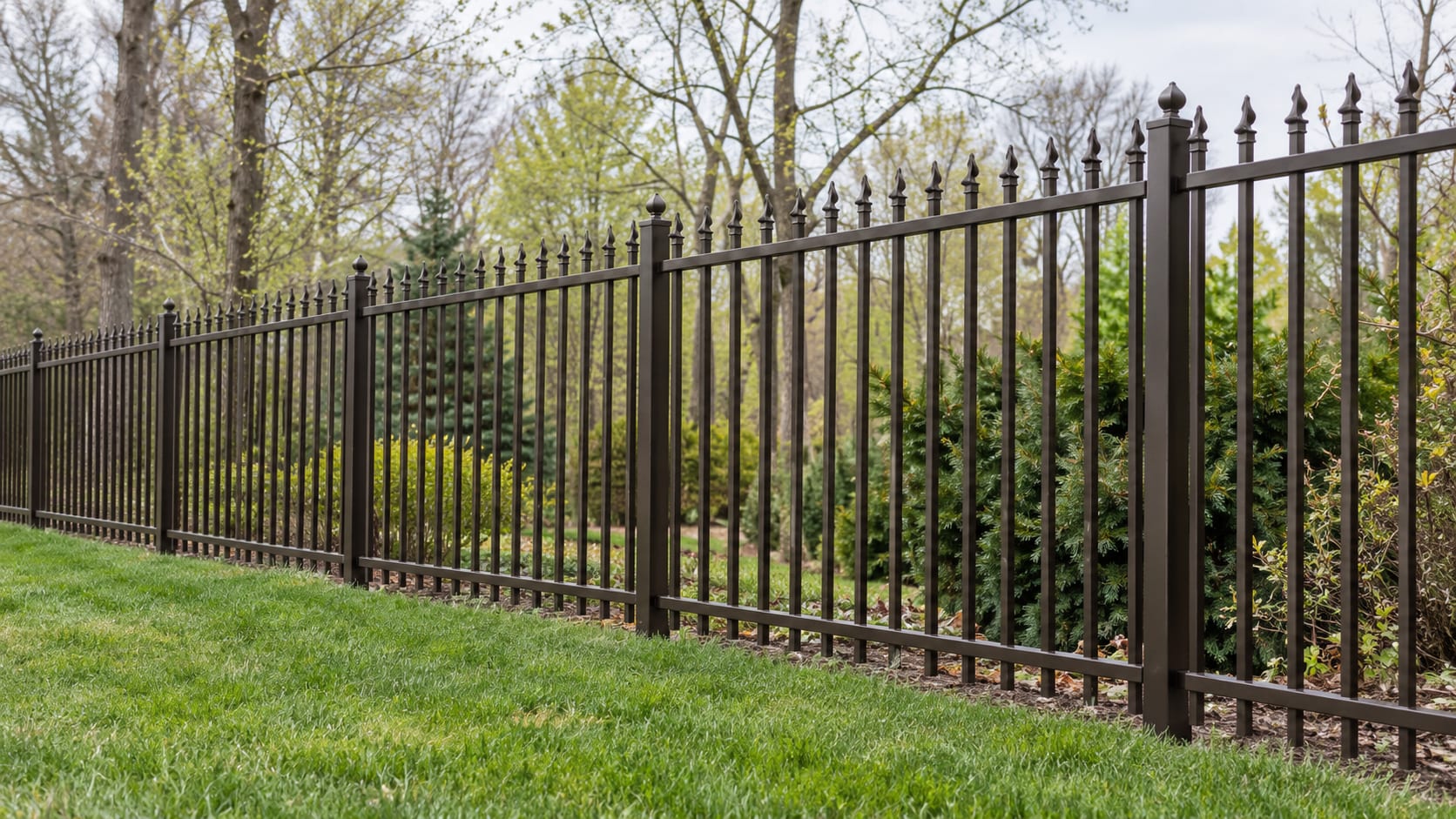
Yes, a fence can be treated as a structure for Connecticut zoning purposes, but the answer depends on the town, zoning district, fence height, location and type of work. A fence not over seven feet high may be exempt from the Connecticut State Building Code building-permit requirement, but that does not automatically remove local zoning, setback, wetland, pool-barrier or sight-line requirements.
Before you order materials, ask the zoning or land-use office in the municipality where the fence will be installed how it classifies fences, walls, gates and retaining walls. That local answer controls the approval path.
Key Takeaways
Town rules
Connecticut towns decide how zoning regulations classify and regulate fences.
State code
A fence over seven feet generally requires building-code review, while pool barriers follow separate rules.
Local approval
A fence below seven feet may still need zoning approval, a certificate or site-plan review.
Setbacks
Front, side, rear, corner-lot, road and wetland rules can change where a fence may go.
Retaining walls
Walls over three feet high, or walls supporting a surcharge, require building-code review.
Before digging
Confirm the property line, required approvals and underground utilities before construction.
Why the word “structure” matters in town zoning
Connecticut has no single statewide zoning definition that controls every town. Municipal zoning regulations establish how each town treats structures, fences, walls, accessory improvements and site work.
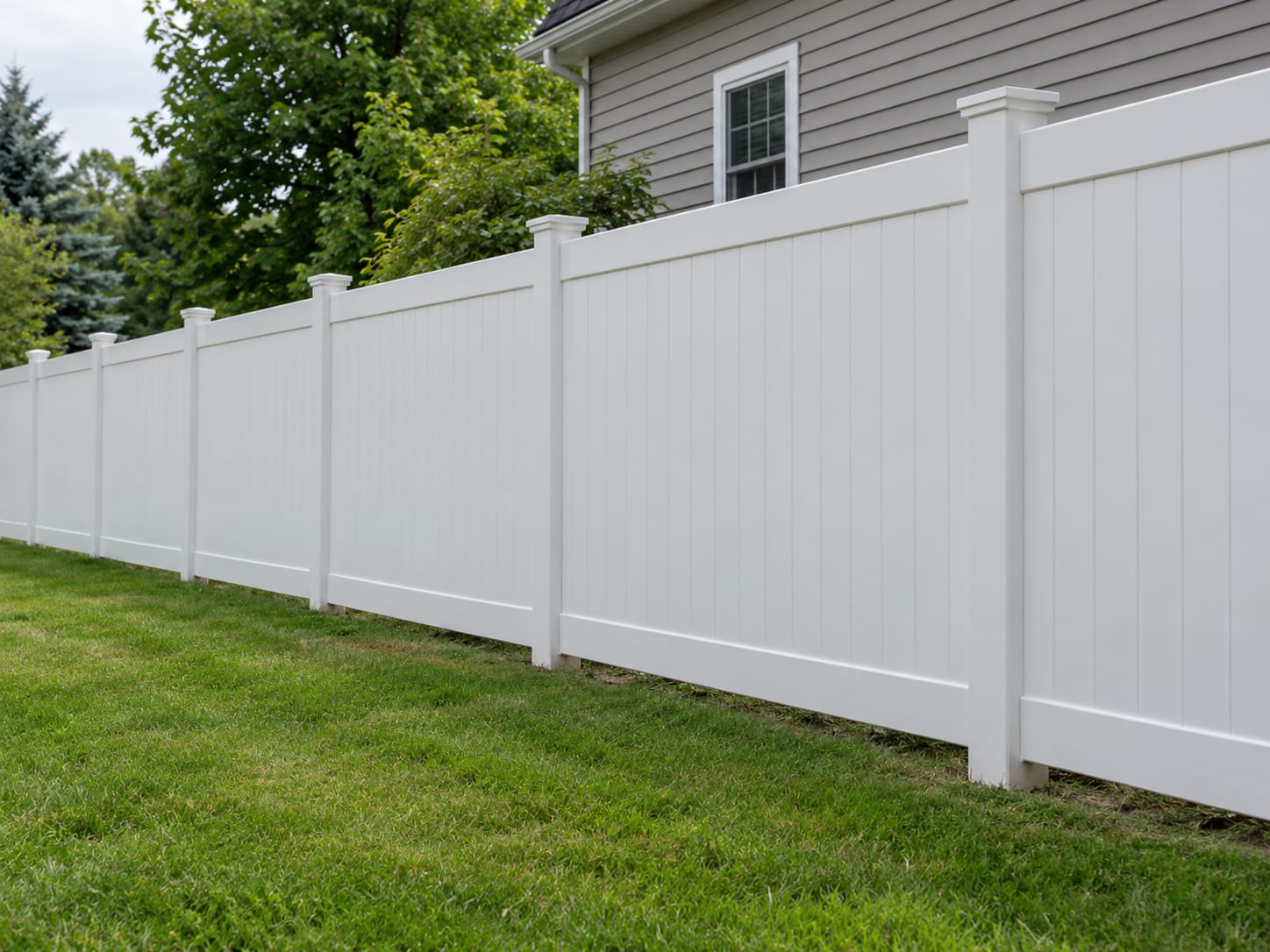
Ridgefield’s zoning regulations define a structure as:
> “Any form or arrangement of building materials requiring proper support, bracing, tying, anchoring or other protection against the forces of the elements.”
The same definition identifies pools, tennis courts and similar appurtenances as structures. Ridgefield also regulates fences and walls in separate sections, so the fence provisions matter even when the general definition does not use the word “fence.” You can read the Ridgefield Zoning Regulations for the definition and related requirements.
Brookfield takes a more direct approach by regulating “Fences and Walls” separately. Section 6.10 allows fences under eight feet in residential zoning districts without Zoning Approval. Fences eight feet or higher require Zoning Approval and a Certificate of Zoning Compliance. That is a Brookfield zoning rule, not a statewide statement that fences are never structures.
New Milford separately regulates fences and prohibits residential fences over eight feet. Its municipal code material also uses a broad definition of structures that includes fences, walls, swimming pools and similar objects. Newtown lists fences and walls among site improvements and provides an exemption for certain work associated with permitted uses when earthwork stays within the stated 100-cubic-yard condition.
The practical question is not whether every Connecticut town uses the same label. Ask how your municipality classifies the proposed work and which approval applies.
State building-code height rules
The 2022 Connecticut State Building Code applies to permit applications filed on or after October 1, 2022. Section R105.2 lists the following work as exempt from the building-permit requirement:
> “Fences, other than swimming pool barriers, not over 7 feet (2134 mm) high.”
That creates a useful state-code starting point:
Hover or tap a row to highlight it.
| Work | State Building Code treatment | What you still need to confirm |
|---|---|---|
| Fence not over 7 feet | Exempt from the ordinary building-permit requirement | Local zoning, setbacks, wetlands and safety rules |
| Fence over 7 feet | Building permit review is required | Zoning approval and certificate requirements |
| Swimming-pool barrier | Not covered by the ordinary fence exemption | Pool-barrier height, gate and opening rules |
| Retaining wall not over 3 feet | Exempt unless supporting a surcharge | Local grading, drainage and zoning requirements |
| Retaining wall over 3 feet | Building-code review is required | Local zoning and site-work requirements |
The Code also identifies completed work requiring a certificate of approval, including fences greater than seven feet, retaining walls greater than three feet, decks, garages and swimming pools. The 2022 Connecticut State Building Code provides the state-code language.
A building-permit exemption is limited to that building-code approval. It does not authorize work that conflicts with municipal zoning, inland-wetlands requirements, pool-barrier rules, road-right-of-way restrictions or private property boundaries. Ridgefield, for example, states that building permit applications receive zoning review before issuance.
If you are comparing local approval with state-code requirements, the Connecticut fence permit overview gives you a broader starting point. Then confirm the specific property with the local zoning and building offices.
How local rules change the answer
When a town treats a fence as a structure, accessory structure, wall or separately regulated site improvement, the work may need to meet setbacks from property lines, streets, wetlands, watercourses or existing buildings. Height rules may differ between front, side and rear yards. Corner lots and driveway entrances may have visibility requirements that affect both the fence and its gates.
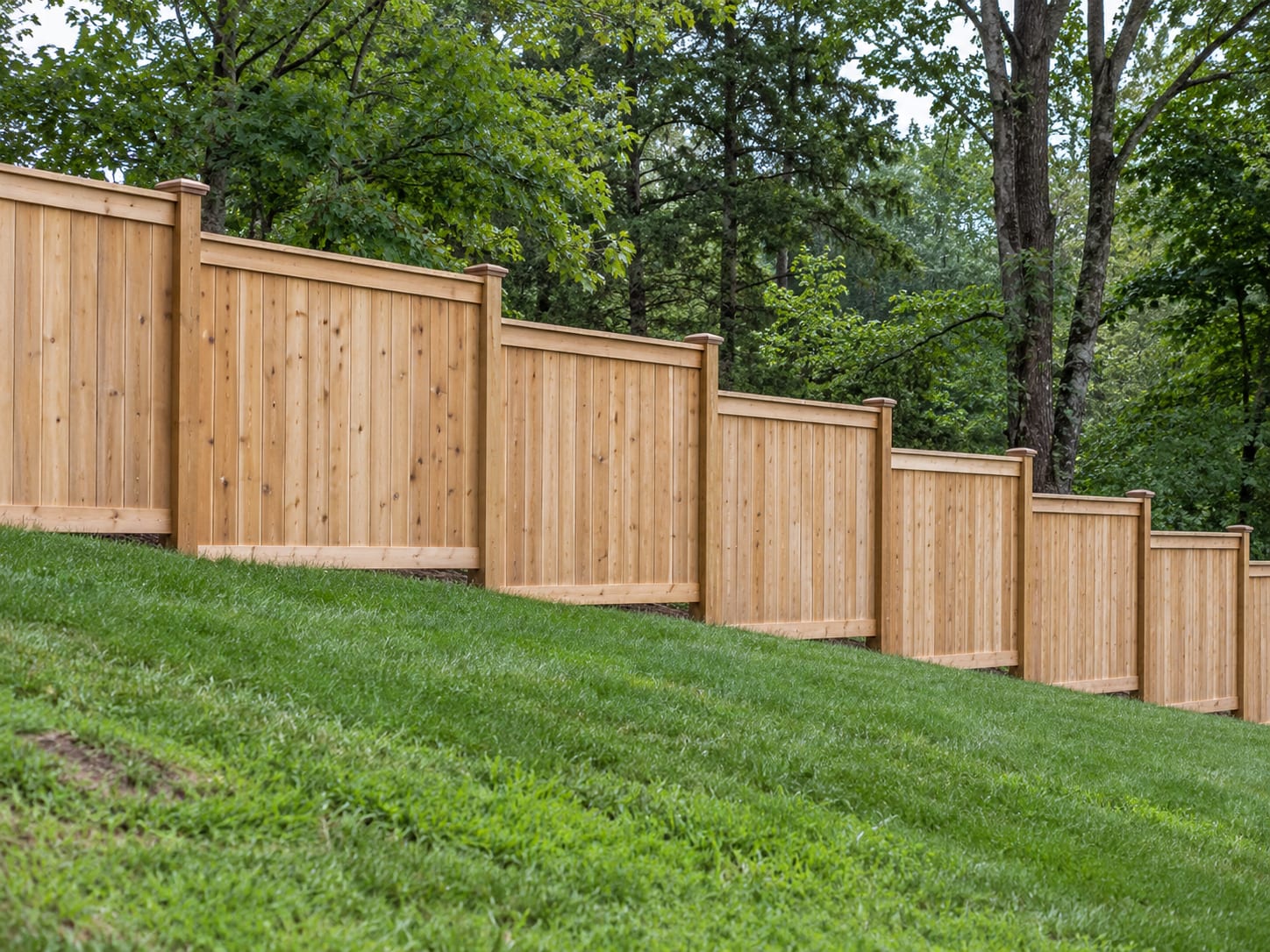
A zoning office may require a zoning permit, zoning approval, certificate of zoning compliance or site-plan review. A property in a historic, village, aquifer, floodplain or wetlands-related district may have another review step.
Height is not always measured in the same way on every property. A sloped yard can create a different apparent height on each side of the fence. Brookfield also provides that when a fence is on or within three feet of a retaining wall, the wall height is included in measuring fence height unless the Zoning Enforcement Officer determines the fence is needed for safety.
For a front-yard or corner-lot project, review the Connecticut fence height rules for front, back and corner lots before settling on a design. If the fence will be close to the boundary, the property-line rules for Connecticut fences explain why a survey and written location plan can matter.
Fences, walls, pergolas and gates are not always treated alike
A fence, retaining wall, pergola and gate can be connected to the same project while receiving different treatment.
Retaining walls have their own State Building Code threshold. A wall not higher than three feet is exempt from the building-permit requirement unless it supports a surcharge. A surcharge can include added weight or pressure affecting the wall, such as a driveway, building or other load above it. A wall over three feet, or one supporting a surcharge, requires building-code review.
Local rules can add another measurement. In Brookfield, the retaining wall may be included when the fence height is measured if the fence sits on or within three feet of the wall.
Pergolas are commonly reviewed as structures, accessory structures, additions or site improvements rather than as ordinary fences. Ridgefield Planning and Zoning Commission records from 2023 and 2024 describe applications for an enclosed pergola, a pergola and vestibule, and an accessory structure in a front yard. The design, enclosure, location and connection to an existing building can affect the approval path. Ask the town whether the pergola is classified as an accessory structure, addition or site improvement before work begins.
Gates are generally part of a fence or enclosure, but they can bring extra rules. A pool gate must meet pool-barrier requirements, including self-closing and self-latching provisions and limits on openings. A driveway gate must also preserve sight distance and traffic safety.
If the project includes a pool, review Connecticut pool fence requirements for height, gates and permits before choosing the gate hardware or fence layout.
The process to settle the question before installation
The approval path is easier to manage when the town has the full project picture.
Questions to Settle Before Construction
- 1
Identify the property
Confirm the municipality, zoning district, parcel information and property-line location.
- 2
Describe the work
Give the proposed fence type, height, length, gates, retaining walls, pool connection and nearby structures.
- 3
Confirm local approval
Ask whether zoning approval, a zoning permit, certificate of zoning compliance or site-plan review applies.
- 4
Confirm state review
Ask whether the seven-foot building-code threshold, pool-barrier rules or retaining-wall provisions apply.
- 5
Check special areas
Identify wetlands, watercourses, floodplains, aquifer areas, historic districts and public-road rights of way.
- 6
Mark utilities
Use Connecticut’s Call Before You Dig system before excavation begins.
- 7
Put the scope in writing
Confirm permit responsibility, property-line responsibility, site conditions, changes and cleanup in the contract.
Bring a survey or sketch showing the fence line, height, length, gates, property lines, streets, driveways, nearby walls, buildings, wetlands and watercourses. Ask what drawings, photographs, forms and fees the town requires.
Before excavation, use Call Before You Dig in Connecticut. A crew can plan post locations around marked utilities, but utility marking does not establish your private property boundary.
For residential work, the Connecticut Department of Consumer Protection states that fences are home improvement work and that contractors performing covered residential work must be registered. Its contract guidance says a written, signed and dated agreement should identify the contractor, registration number, work, price, dates and responsibility for permits. The Connecticut Department of Consumer Protection home improvement information covers those contract requirements.
My Fence Guy can help organize a written scope that identifies the fence material, height, length, gates, site conditions, permit responsibilities and changes. The town still decides which approvals apply, and the property owner should confirm those requirements before construction.
How Brookfield, New Milford, Newtown and Ridgefield treat fences
Brookfield allows qualifying residential fences under eight feet without Zoning Approval. Fences eight feet or higher require Zoning Approval and a Certificate of Zoning Compliance. Brookfield also limits visibility-restricting fences to eight feet, while other fence types may reach 12 feet under the cited provision.
New Milford prohibits residential fences over eight feet and requires fences to avoid obstructing sight lines or affecting traffic safety.
Newtown exempts certain walls and fences associated with permitted uses from a zoning permit when earthwork does not exceed 100 cubic yards. The exemption is tied to those stated conditions.
Ridgefield defines structure broadly and also requires zoning review before a building permit is issued. A fence can therefore involve both local zoning questions and state building-code questions.
Nearby New York municipalities, such as Putnam Valley, use their own zoning and building rules for fences, walls and enclosures. The town, city or village where the property sits controls the answer, so contact that municipality’s code-enforcement or zoning office before ordering materials.
Frequently Asked Questions
Is a fence considered a structure?
Often, yes, for a particular town’s zoning or building rules. Connecticut does not use one statewide zoning definition for every municipality, so the local fence, wall and structure provisions control the answer.
Is a fence a structure for zoning purposes?
It can be. Brookfield regulates fences and walls directly, Newtown lists fences and walls as site improvements, and Ridgefield uses a broad structure definition based on support and protection from the elements. Ask the local zoning office which approval applies to your address and proposed height.
Is a retaining wall considered a structure?
Yes, a retaining wall is treated as a regulated structural improvement under the Connecticut State Building Code. Walls over three feet high, or walls supporting a surcharge, require building-code review, and local zoning may add grading, drainage, setback or wetlands requirements.
Does a fence need to meet setback requirements?
A fence may need to meet setbacks from property lines, streets, driveways, wetlands, watercourses or existing buildings. The exact rule depends on the municipality, zoning district, lot location, fence height and nearby features, so provide the town with a site sketch and ask for the required setback in writing.
Test Your Fence Approval Knowledge
1. What is the ordinary Connecticut State Building Code height threshold for a fence exemption?
2. What does Brookfield require for a residential fence eight feet or higher?
3. What happens to a retaining wall over three feet high?
4. Which office controls the local zoning answer?
Pick an answer to begin.
Final Thoughts
A fence may be a structure, wall, accessory improvement or separately regulated site improvement depending on the town. Confirm the zoning classification, height measurement, setbacks, permit type, pool-barrier rules, wetlands questions and property-line location before construction. A written plan gives the town and contractor the same information.
We can help you prepare a clear fence scope for the property and identify the site details that affect the estimate. Call us at (203) 746-1100 for a free estimate, or reach out through our contact page.
Fence Zoning Terms
Tap a term to see what it means.
Structure. An arrangement of building materials requiring support, bracing, tying, anchoring or protection from the elements.
More about fences
Do You Need a Permit to Replace a Fence in Connecticut?
Replacing a fence in the same spot in Connecticut: when towns treat it as new work, what happens to a grandfathered fence, and what to check before you start.
Read the guide to Do You Need a Permit to Replace a Fence in Connecticut?Fences in Connecticut Historic Districts: What Needs Approval
Fences in Connecticut historic districts need a certificate of appropriateness when seen from the street. How commissions review materials, height and style.
Read the guide to Fences in Connecticut Historic DistrictsCan You Put a Fence in Your Front Yard in Connecticut?
Planning a front yard fence in Connecticut? Typical height and openness limits, corner-lot sight lines, the street edge and styles that fit low front limits.
Read the guide to Can You Put a Fence in Your Front Yard in Connecticut?