
Fences in Connecticut Historic Districts: What Needs Approval
By Tony Pellicone12 min readPublished
- fence permits
- zoning
- connecticut
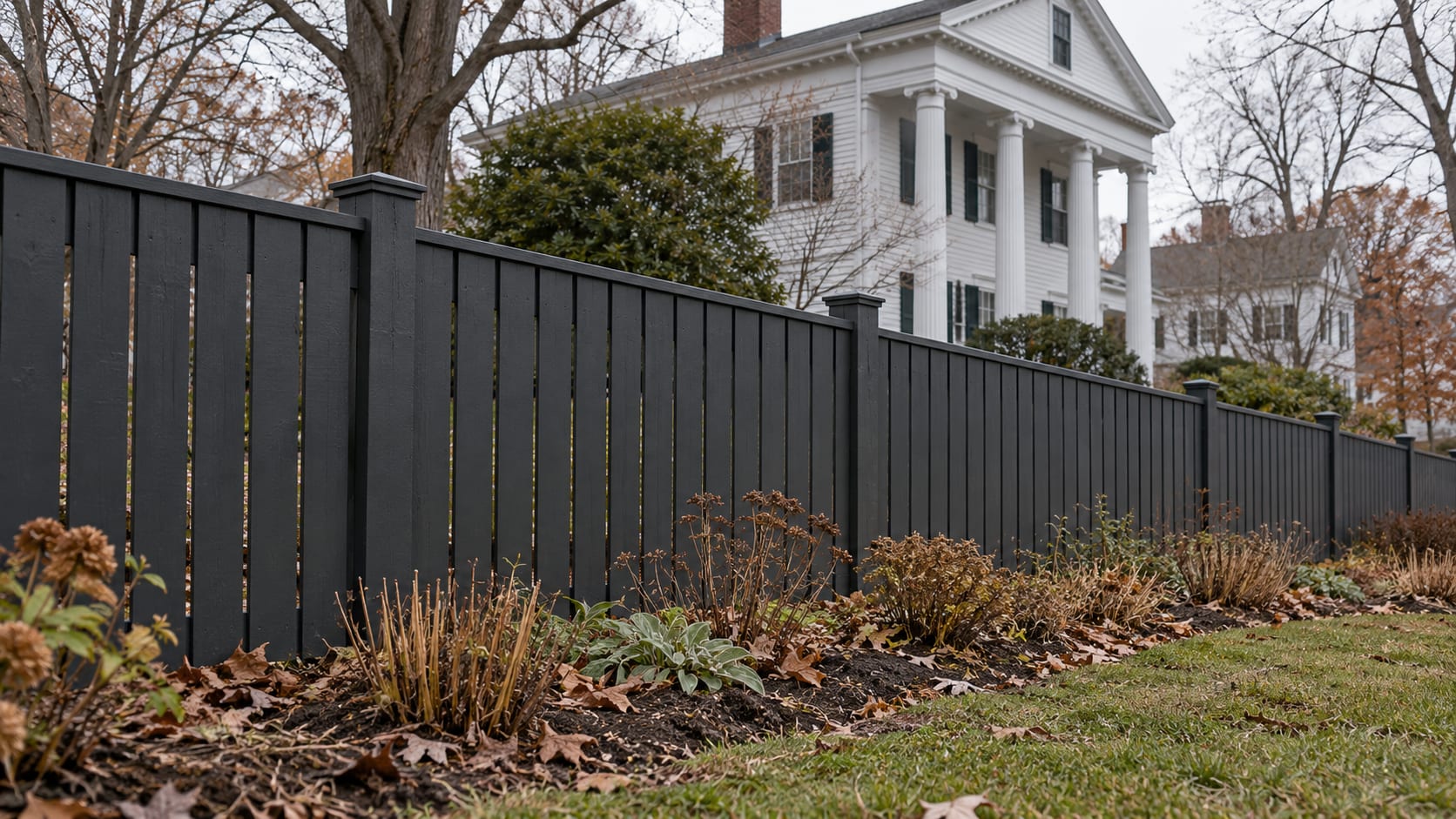
If your property is inside a Connecticut local historic district, a new or replacement fence may need historic-district approval before work begins, especially when it can be seen from a public street, way or place. Connecticut law treats fences and walls as structures, and the local historic district commission decides whether the proposed design is appropriate for the district.
A certificate of appropriateness may be separate from zoning, building, wetlands, driveway, pool-barrier or right-of-way approvals. Before ordering materials, confirm the parcel’s designation, the reviewing commission, the fence’s visibility, and every approval that applies to the work.
Key Takeaways
Historic review
A visible fence inside a local historic district may require a certificate of appropriateness.
Local control
Each town sets its own district boundaries, forms, meeting schedule, guidelines and exemptions.
Design fit
Low, open fencing and historically compatible materials are often a better starting point for front yards.
Separate permits
Historic-district approval does not replace zoning, building, wetlands, driveway or other permits.
Timing
Connecticut law generally gives a commission 65 days after filing to act, subject to local procedure.
Why a fence can fall under historic-district review
Connecticut General Statutes §§ 7-147a through 7-147y authorize municipalities to create local historic districts and historic district commissions. Section 7-147a defines exterior architectural features as portions of a structure or building that are open to view from a public street, way or place. It also defines a structure as a combination of materials affixed to land, expressly including fences and walls.
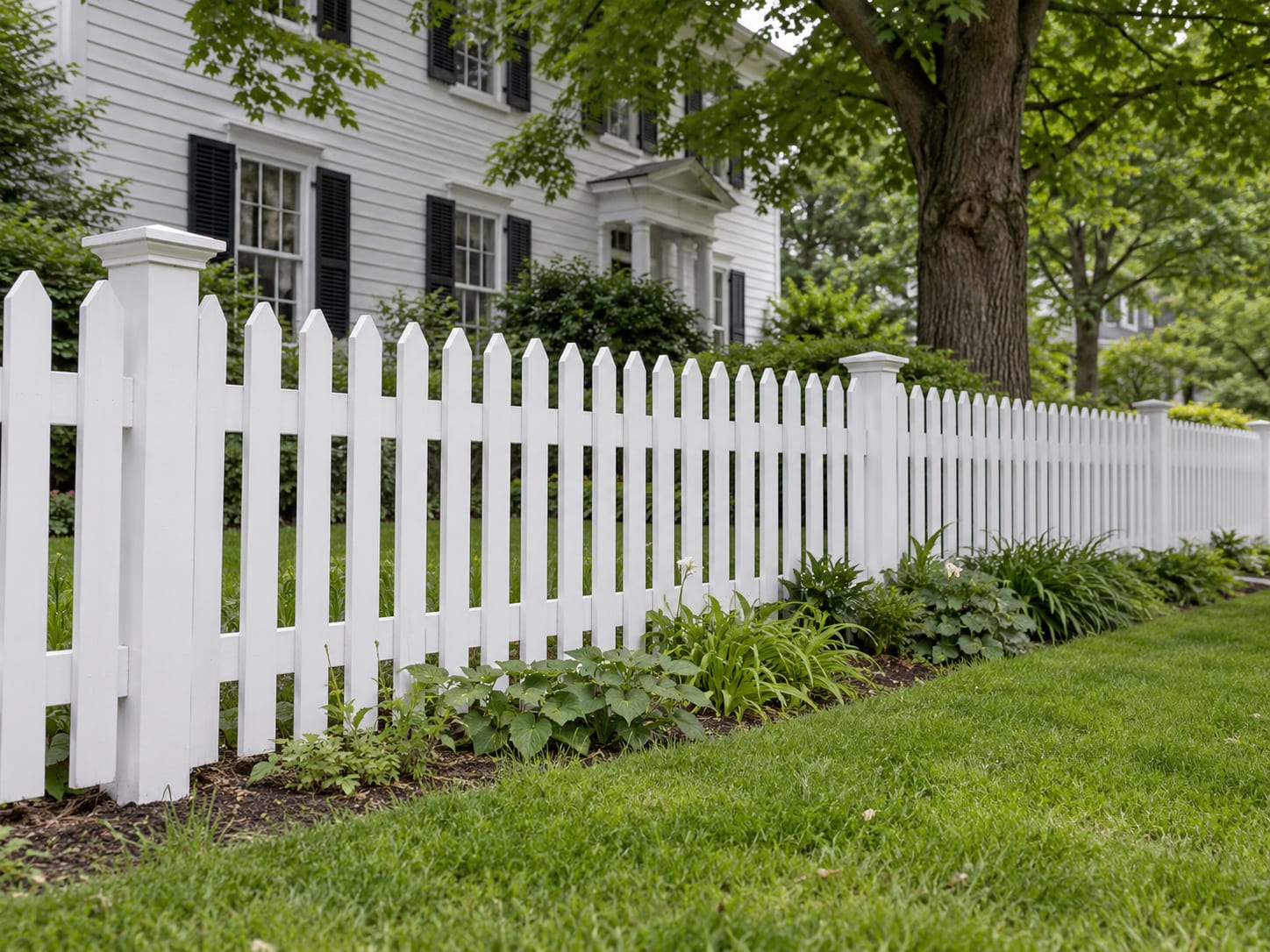
That combination matters when you are planning a fence. A fence can be treated as a structure, and the portion visible from a public street can be treated as an exterior architectural feature. A new fence, replacement fence, gate, stone wall or material change may therefore fall within local historic-district review.
The commission considers whether the work is appropriate for the district. Under Connecticut General Statutes Chapter 97a, including Sections 7-147a, 7-147e and 7-147f, the review can include the property’s historical and architectural significance, style, scale, design, arrangement, texture, materials and relationship to nearby buildings and structures.
The exact local ordinance controls the process. A National Register listing also does not automatically mean that the property is inside a Connecticut local historic district. Confirm the parcel’s designation through the town and, where useful, the Connecticut SHPO ConnCRIS historic-property database.
The public-street visibility question
Ask the town whether the commission reviews the entire proposed fence or the portion visible from a public street, way or place. Visibility can depend on the fence’s location, grade, vegetation, existing walls, adjoining properties and the public view along the road.
A fence behind the house may still raise questions if it is visible from the street. A side-yard gate, stone wall or replacement section may also be treated differently from a rear fence that cannot be seen from a public way. The commission or local ordinance determines how the jurisdiction applies to your property.
Which western Connecticut properties may be affected
Historic-district review is parcel-specific, but several western Connecticut towns have named districts or local preservation bodies.
Ridgefield has Historic District No. 1 along Main Street and Historic District No. 2 along High Ridge Avenue and West Lane. Ridgefield also published a 2025 study for a proposed East Ridge Historic District No. 3. Use the town’s Historic District Commission information to confirm the current district and application process.
Washington identifies the Washington Green Historic District, Sunny Ridge Historic District and Calhoun Street-Ives Road Historic District through its historic district and district studies page. Newtown has separate local commissions connected with the Borough of Newtown Historic District and Hattertown Historic District. Litchfield’s Borough of Litchfield has an Old and Historic Litchfield Historic District administered by the Borough Historic District Commission.
New Milford has an Historic Properties Commission under Chapter 8A of its municipal code. The applicable review depends on the property’s designation and the town’s local rules. Start with Chapter 8A of the New Milford municipal code, then ask which body reviews your proposed fence.
Connecticut and New York use different rules
If your property is in Putnam, Dutchess or Westchester County, Connecticut statutes do not control the review. The specific New York town, village or city may have its own preservation law, zoning rules and reviewing body.
New York’s Department of State describes municipal historic-preservation programs and the use of certificates of appropriateness in its Legal Aspects of Municipal Historic Preservation materials. The Village of Fishkill, Town of Pleasant Valley and Town of Bedford each address exterior work or fence requirements through their own local codes.
A Connecticut certificate does not transfer across the state line. Confirm the municipality first, then ask whether the fence is reviewed by a historic preservation commission, architectural review board, planning body or another local office.
Hover or tap a row to highlight it.
| Location | Local example | What to confirm |
|---|---|---|
| Ridgefield | Historic District Nos. 1 and 2 | District boundary, fence visibility, HDC notification and certificate process |
| Washington | Washington Green, Sunny Ridge and Calhoun Street-Ives Road districts | Reviewing commission, filing materials and meeting schedule |
| Newtown | Borough and Hattertown districts | Which district and commission cover the parcel |
| Litchfield | Old and Historic Litchfield Historic District | Certificate requirement for erecting or altering a structure |
| New Milford | Historic Properties Commission under Chapter 8A | Property designation and applicable local review |
| Nearby New York towns | Town, village or city preservation rules | Local New York reviewing body and separate permits |
Materials, height and fence design
The first design question is not simply whether a fence is wood, vinyl, aluminum, chain link or ornamental metal. The commission may consider height, transparency, post spacing, gate design, finish, relationship to the house and how the fence fits nearby historic properties.
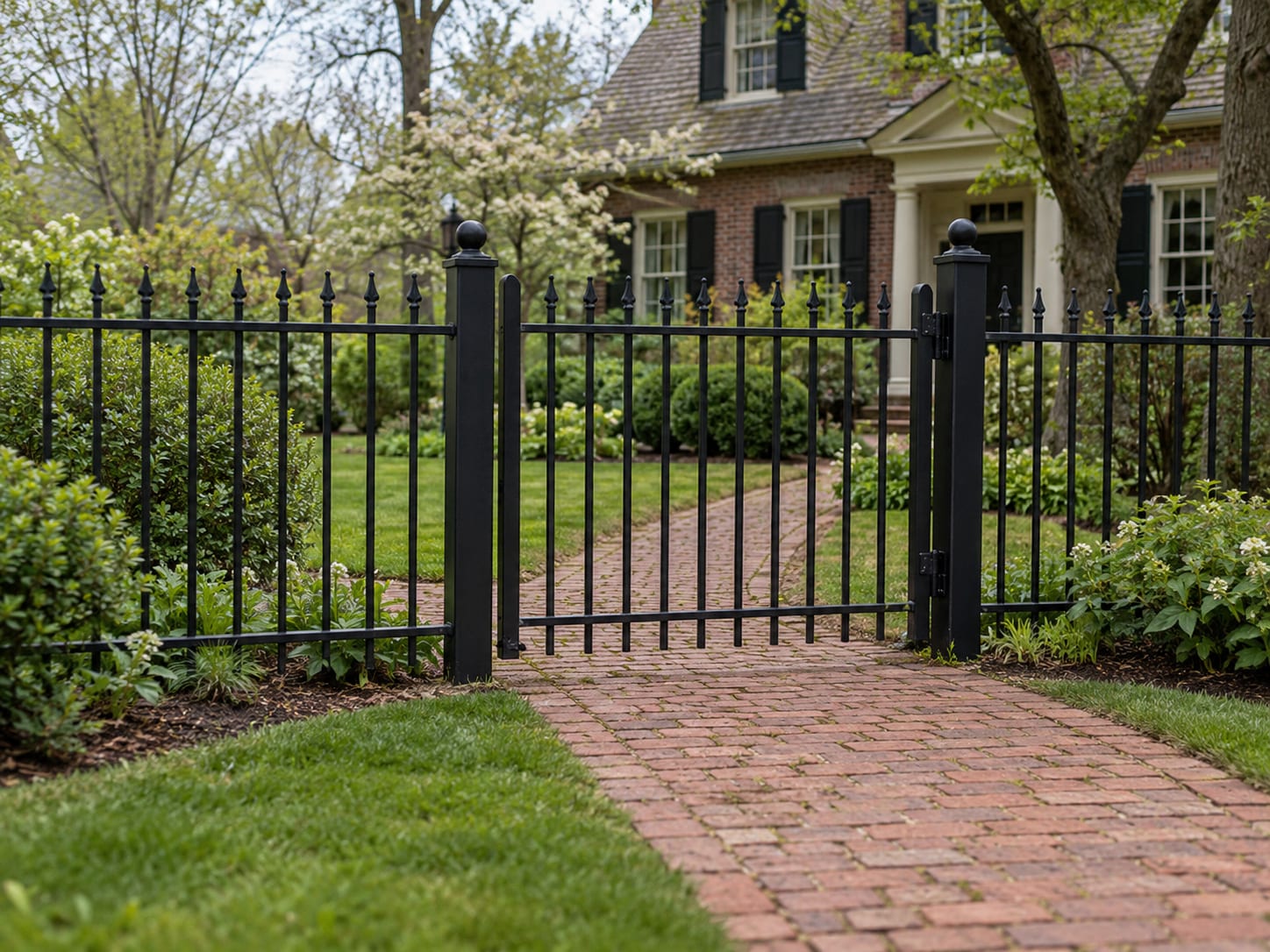
Ridgefield’s design guidelines state that historic front-yard fences were generally low and relatively transparent. They favor simple, see-through wood picket fencing, wrought iron or historically compatible metal, and fence, gate and wall designs that match nearby historic examples and the architecture of the house.
The guidelines also favor low fences that preserve views to and from the street. Traditional stone walls using local or historically compatible materials are another recognized approach. Ridgefield’s guidelines generally discourage high masonry walls, barricade-style fences, tall solid wood fences in front yards, chain link, vinyl or plastic fences, hollow metal picket fences with welded bars, and faux or nontraditional stone materials. See the Ridgefield HDC Design Guidelines before selecting a product.
Height is decided through the local rules and the site review. Ridgefield’s guidelines use “low” and “transparent” as design criteria. Ask the commission for the height, setback and placement that apply to your parcel, and check the town’s zoning rules at the same time.
A fence meant for privacy, livestock, a dog, a pool or a business screening area may need a different design from a decorative front-yard fence. Explain the purpose in the application, then show the commission the actual product, finish, gate and location. A wood fencing design can be a reasonable starting point for a compatible picket proposal, while an ornamental metal design may fit a property where open metal fencing is already part of the streetscape.
Vinyl and chain link require a local answer
There is no statewide Connecticut ban on vinyl fencing in every historic district. Ridgefield’s guidelines, however, state that vinyl fences are generally not appropriate. That local position can affect the choice of material even when a vinyl fence might be treated differently in another town.
Chain link also needs a town-specific answer. Ridgefield’s guidelines discourage chain link, but another commission may apply different standards based on the district, visibility, location or purpose of the fence. Submit the product information, color, height, mesh style and location before purchase.
If the fence is for a pool, ask about pool-barrier requirements in addition to historic review. If it is for a dog, ask whether the enclosure’s visibility, gate and height affect the commission’s decision. A pet fencing option or pool fencing option should be discussed with the town before materials are ordered.
What to submit before work begins
Start with the property address and parcel information. Then prepare a site plan showing the property lines, house, street, driveway, existing fence and proposed fence. Mark the fence length, height, post spacing, gates and setbacks.
Include manufacturer information or material samples when the fence is a manufactured product. Add photographs of the property, the proposed fence line and nearby streetscape. A written description should explain whether the fence is intended for decoration, privacy, pets, pool safety, livestock, screening or another purpose.
Ask the town these questions:
- Is the parcel inside a locally regulated historic district?
- Which commission reviews the fence?
- Is a certificate of appropriateness required for a new fence, replacement fence, gate, stone wall or repair?
- Does the commission review the portion visible from a public street?
- Is there an exemption or certificate of non-applicability for in-kind repair or replacement?
- What application form, drawings, photographs, samples, site plan and fee are required?
- What is the filing deadline for the next meeting?
- Is a public hearing required?
- What separate zoning, building, wetlands, driveway or right-of-way approvals apply?
- Does a pool fence or pet enclosure trigger additional requirements?
A replacement fence is not automatically exempt. Ask whether an in-kind replacement, repair or altered layout receives different treatment. Changing the material, height, alignment, gate or visibility can make the work different from a simple repair.
For work near an old stone wall, show the wall on the site plan and identify whether the proposed fence will be alongside, behind or attached to it. The relationship between the fence and wall can affect the design review and the installation plan. Review Fences and Old Stone Walls before finalizing the fence line.
A wetland, stream, lake, driveway entrance, road right-of-way or pool can create another approval step. Use the town’s permit offices to identify those requirements, and see Do You Need a Permit for Fence Installation in CT? for the broader permit questions.
With a neighbor or contractor, put the location, height, material, finish and gate arrangement in writing. Also identify who handles the survey, utility marking, approvals, maintenance and future repairs. These details help keep the approved plan and the installed fence aligned.
The Connecticut approval sequence
Connecticut General Statutes § 7-147e generally requires a public hearing unless the commission determines that the application is not subject to approval. Notice must be published 5 to 15 days before the hearing. The commission generally must act within 65 days after filing, unless a local ordinance provides otherwise. Failure to act within that period constitutes approval under the statute, subject to the filing and local procedure that apply.
The actual calendar time can be longer when an application is incomplete, a meeting deadline is missed, the matter is continued or another permit is needed. Ask the commission for the next filing deadline and whether the application is complete before planning installation.
Practical Historic-District Fence Process
- 1
Confirm designation
Verify the parcel’s local historic-district status, district boundary and reviewing commission.
- 2
Show visibility
Identify the fence line, gates, height and portions visible from a public street.
- 3
Contact the town
Ask about a certificate of appropriateness, exemptions, forms, fees and filing deadlines.
- 4
Prepare materials
Provide a site plan, dimensions, photographs, product information, samples and a written purpose.
- 5
Attend review
Participate in the applicable commission meeting or public hearing.
- 6
Receive the decision
Keep the written certificate, conditions or other commission decision with the project records.
- 7
Obtain separate approvals
Complete zoning, building, wetlands, driveway, right-of-way, pool-barrier or other permits that apply.
- 8
Schedule installation
Mark utilities and install the fence to match the approved location, dimensions, materials and gates.
A fence crew can help with the practical side of the application, including measurements, product information, fence layout and a written scope. My Fence Guy can also help match the approved plan to the installation. The town remains the authority on historic-district jurisdiction and approval.
Ledge can affect post placement in western Connecticut, but it does not replace the historic review. If the approved fence line must shift because of ledge or an existing wall, ask the commission before changing the layout. A revised location can alter street visibility, setbacks or the relationship to neighboring structures.
What approval does and does not cover
A certificate of appropriateness is written approval from the local historic district commission for proposed work in a local historic district or on a locally designated historic property. The commission may approve the submitted plan, impose design conditions or deny the application with written reasons.
The certificate addresses the historic-district review. It does not replace other permits. A fence may also need zoning or building review, wetlands approval, driveway approval, road right-of-way permission, pool-barrier compliance or another local authorization.
Keep the approved drawings, product information, conditions and written decision available during installation. If the fence material, height, gate, alignment or finish changes after approval, ask the commission whether the change needs additional review.
For a specific boundary, title, neighbor or enforcement dispute, speak with a Connecticut real estate attorney. Historic-district approval is one part of the project, and it does not decide every private property question.
Frequently Asked Questions
Do I need permission to put a fence in a historic district?
Often, yes, when the property is inside a Connecticut local historic district and the fence is visible from a public street, way or place. Ask the town’s historic district commission whether a certificate of appropriateness is required before installing, replacing or materially altering the fence.
Can you use vinyl fencing in a historic district?
Sometimes, but the answer depends on the local commission, district rules, visibility and design. Ridgefield’s guidelines state that vinyl fences are generally not appropriate, so submit the exact product, color, height and location before ordering materials.
What is a certificate of appropriateness in Connecticut?
It is the commission’s written approval for covered exterior work in a local historic district or on a locally designated historic property. It may include conditions, and it does not replace zoning, building, wetlands, driveway, pool-barrier or other required permits.
Does replacing an old fence require the same approval as building a new fence?
It may, depending on the town, district rules, visibility and the scope of the replacement. Ask whether an in-kind repair or replacement qualifies for an exemption or certificate of non-applicability, especially if the height, material, alignment or gate design will change.
How long can historic-district review take in Connecticut?
Connecticut law generally gives the commission 65 days after filing to act, with public-hearing notice published 5 to 15 days before the hearing when a hearing is required. Local filing deadlines, incomplete applications, continuances and separate permits can affect the calendar schedule.
Historic-District Fence Check
1. What Connecticut law expressly includes fences and walls as structures?
2. What document records historic-district approval for covered work?
3. Which design does Ridgefield generally favor for a visible front-yard fence?
4. What should you confirm before ordering fence materials?
Pick an answer to begin.
Final Thoughts
The safest order is simple: confirm the district, ask which commission has jurisdiction, show the proposed fence and visibility, submit the required materials, receive the written decision, and then handle separate permits. A modest, open design may fit a historic streetscape more easily, but the town decides the application for your property.
We can help prepare the practical fence information a town may request, including dimensions, gates, materials and layout. Call us at (203) 746-1100 for a free estimate, or reach out through our contact page.
Historic-District Fence Terms
Tap a term to see what it means.
Local historic district. A locally regulated area where exterior work may receive review by a historic district commission.
More about fences
Do You Need a Permit to Replace a Fence in Connecticut?
Replacing a fence in the same spot in Connecticut: when towns treat it as new work, what happens to a grandfathered fence, and what to check before you start.
Read the guide to Do You Need a Permit to Replace a Fence in Connecticut?Is a Fence Considered a Structure in Connecticut Zoning?
Whether a fence counts as a structure under Connecticut zoning changes its setbacks and permits. How towns define it, with retaining walls and gates compared.
Read the guide to Is a Fence Considered a Structure in Connecticut Zoning?Can You Put a Fence in Your Front Yard in Connecticut?
Planning a front yard fence in Connecticut? Typical height and openness limits, corner-lot sight lines, the street edge and styles that fit low front limits.
Read the guide to Can You Put a Fence in Your Front Yard in Connecticut?