
Choosing the Best Fence for Your Dog
By Tony Pellicone12 min readPublished
- pet fencing
- homeowner guide
- connecticut
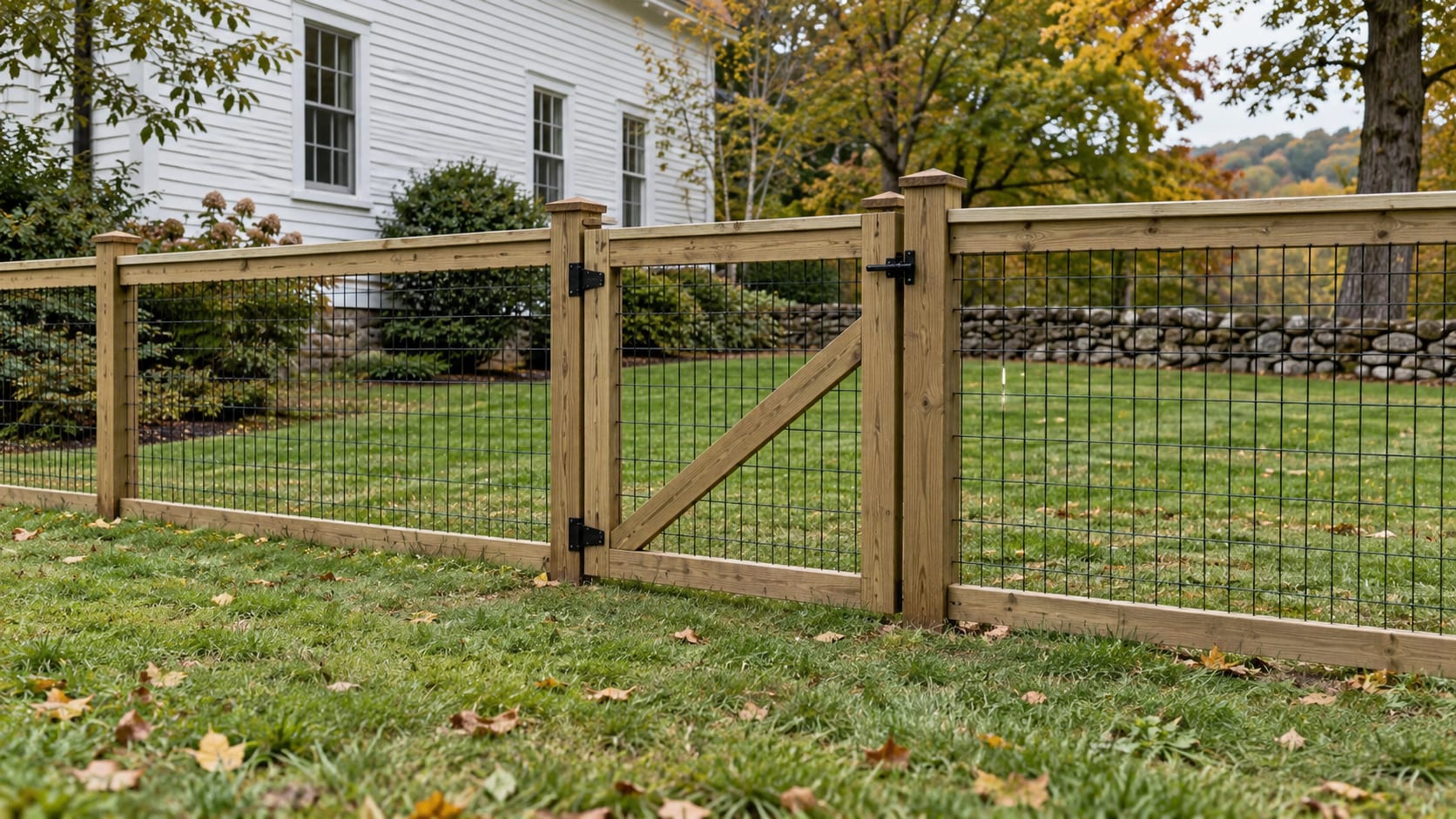
The best fence for your dog is a physical barrier designed around the way that particular dog jumps, climbs, digs, chews, squeezes through openings, and handles outside activity. Height matters, but there is no dependable small, medium, or large dog formula. Choose a fence tall enough to stop your dog, close enough to prevent escape through openings, and strong enough for the gate and bottom edge. Then confirm the permitted height and permit requirements with your town before ordering materials.
A dog fence also has to match the yard. A solid panel can reduce visual triggers, while an open fence preserves views but may allow barking, chasing, or climbing. A slope or an uncertain property line can change the design and price.
Key Takeaways
Height
Choose height from your dog's actual jumping and climbing behavior, then confirm the local limit.
Digging
Use an L-footer, buried mesh, anchored chain link, rocks, or a concrete footer for a determined digger.
Materials
Match privacy, visibility, chewing, spacing, maintenance, and the dog's strength to the fence material.
Gates
Use a sturdy, self-closing gate with a secure latch, small gaps, and the same dig protection as the fence.
Electronic systems
An electronic fence requires training and maintenance and does not keep other animals out.
Local rules
Call your town's Planning and Zoning or Zoning Enforcement Office before choosing height or placement.
Start With the Dog, Not the Material
Before comparing wood, vinyl, aluminum, and chain link, watch how your dog tries to leave the yard. A dog that jumps at a fence may need more height. A dog that climbs may need a surface without footholds and a top extension. A digger needs protection at the bottom. A chewer needs smooth, sturdy materials and regular inspection. A small dog needs openings that cannot admit its head or body.
The American Kennel Club's fence guidance puts the decision on the individual dog's jumping, climbing, prey-drive, and escape behavior. A dog can use a running start, a retaining wall, a deck, a wood pile, a bin, or a rock near the fence to gain extra height. Grade changes matter too. A fence that looks tall from the lower side can be much easier to clear from the higher side.
Walk the proposed fence line before you choose a style. Remove furniture, bins, wood piles, rocks, and other objects that can act as climbing aids. Avoid open horizontal rails on the dog side when the dog climbs. Those rails can work like a ladder.
A determined jumper may need a taller barrier, an inward-leaning top extension, an upper L-footer, or a coyote roller. These additions affect the appearance, structural design, and local height review, so ask the zoning office about the maximum permitted height before finalizing the plan.
Digging, Climbing, Chewing, and Small-Dog Gaps
For a digger, the bottom edge deserves as much attention as the posts and panels. The AKC recommends an inward-facing L-footer made from chicken wire, hardware cloth, or chain-link fencing. The horizontal portion can be buried or secured on the ground with rocks, gravel, mulch, or planters. Sharp wire edges should face away from the dog.
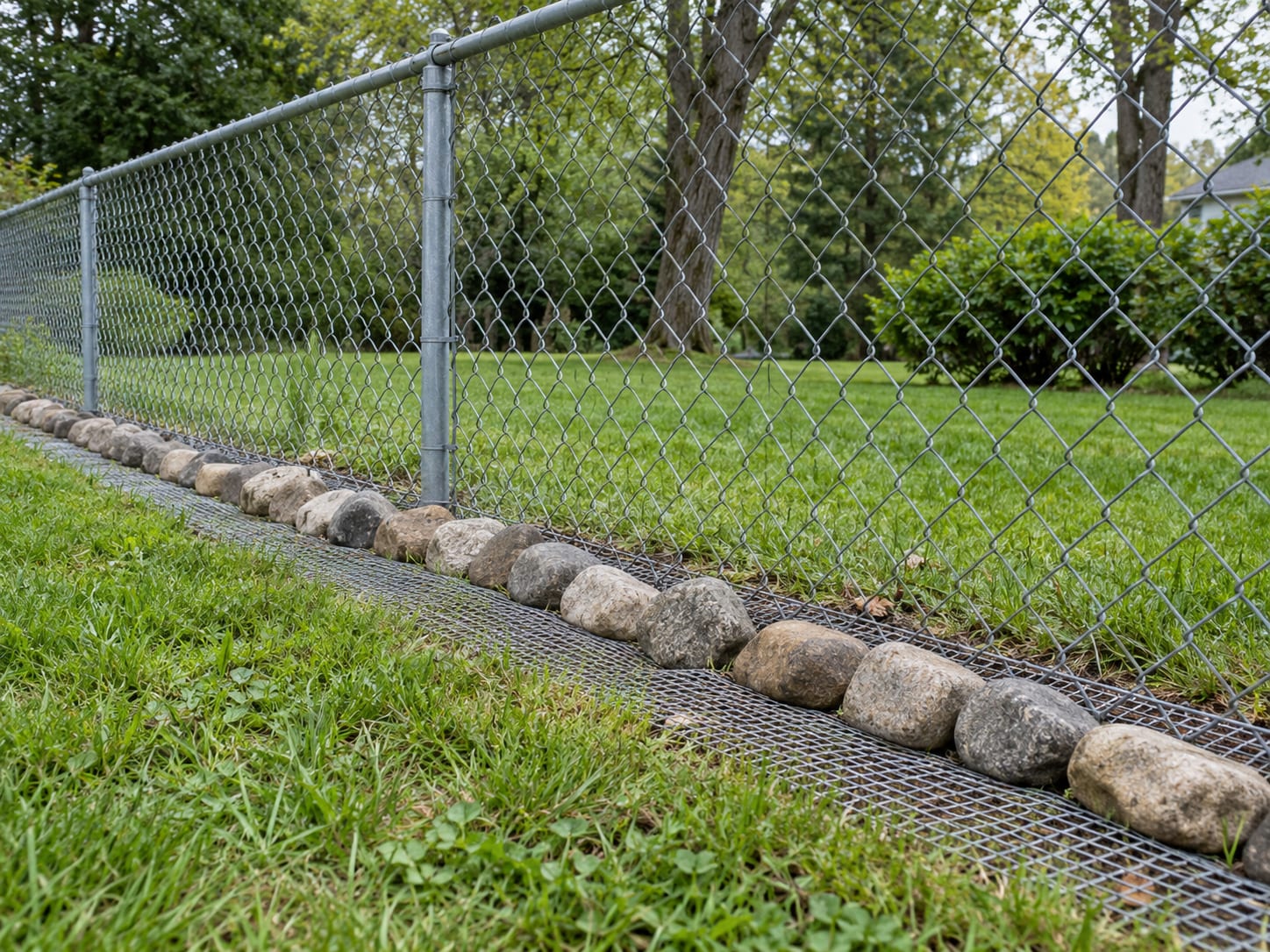
A buried mesh barrier approximately one to two feet deep can provide a more substantial obstacle. The Humane Society of the United States pet safety guidance also discusses burying chicken wire one to two feet, placing large rocks along the base, or anchoring chain link flat on the ground. A concrete footer is another option where the site and fence design support it.
Inspect the bottom after installation, especially where the grade changes. Low spots beside a gate or near a wall can become the first escape route. On a western Connecticut property with ledge or rocky soil, digging a continuous trench may require extra excavation or a different bottom detail. A written quote should state how ledge and removal work are handled.
For climbers, remove footholds and avoid horizontal rails. An inward-leaning top extension or coyote roller can make the top harder to grip. The right height still depends on what the dog actually does.
For chewers, choose smooth, pet-safe materials and inspect loose boards, broken wire, protruding fasteners, and damaged panels. A damaged section can become both an escape point and a source of injury.
For small dogs, measure the dog's head and body rather than relying on a breed label. Large gaps in picket fencing or wide openings between metal bars can allow a small dog to pass through. Narrow vertical spacing is usually easier to manage than decorative openings of different sizes.
Choosing Between Wood, Vinyl, Aluminum, and Chain Link
No single material works best for every dog. The choice depends on whether you need privacy, visibility, low maintenance, resistance to chewing, a large enclosed area, or a particular appearance.
Wood or vinyl privacy panels can reduce views of pedestrians, vehicles, neighboring dogs, and wildlife. That can help when your dog barks, lunges, or patrols along the fence. Wood can also reduce sound, but it may rot, warp, fade, and require painting or sealing. Open horizontal wood rails can create footholds for a climber. Review wood fencing options carefully around the dog's behavior and maintenance needs.
Vinyl panels resist rot, decay, fading, chipping, and scratching, and they require less upkeep than wood. A large or forceful dog still needs strong posts, secure connections, and a base that resists digging. Solid vinyl is often a better fit when blocking visual triggers matters. See the available vinyl fencing styles before settling on panel height and spacing.
Aluminum does not warp and provides visibility with relatively low maintenance. It can suit a dog that does not react strongly to outside activity and an owner who wants an open view. Decorative designs may have openings that let a small dog escape or allow a reactive dog to see every passing trigger. Use narrow vertical spacing and avoid horizontal footholds where needed. The aluminum fencing page can help you compare open designs.
Chain link is durable, weather-resistant, low-maintenance, and practical for large areas. It may suit a farm, large yard, or facility where the fence needs to cover substantial footage. A dog may climb the mesh or dig beneath it, and broken wire can cause injury. Add a bottom barrier for a digger and consider privacy slats or screening if outside activity causes fence-running. Review chain link fencing choices with the required height, mesh, gate, and bottom treatment in mind.
National cost context can help you understand why material choices vary, but it is not Connecticut pricing. Angi reported 2026 installed ranges of approximately $8 to $40 per linear foot for chain link, $10 to $45 for wood, $15 to $40 for vinyl, and $17 to $90 for aluminum. The actual price for your project depends on linear footage, height, gates, removal, access, terrain, rock, ledge, labor, and site preparation. A quote should identify the material, height, footage, number of gates, and each site allowance.
Hover or tap a row to highlight it.
| Fence material | National installed range | Unit |
|---|---|---|
| Chain link | $8 to $40 | Per linear foot |
| Wood | $10 to $45 | Per linear foot |
| Vinyl | $15 to $40 | Per linear foot |
| Aluminum | $17 to $90 | Per linear foot |
Gates, Pools, and the Details Dogs Test First
The gate is part of the containment system, not an afterthought. It should be sturdy enough for the dog's size and behavior, tall enough to prevent jumping, and fitted with a latch the dog cannot operate. The American Kennel Club's yard safety guidance recommends self-closing gates.
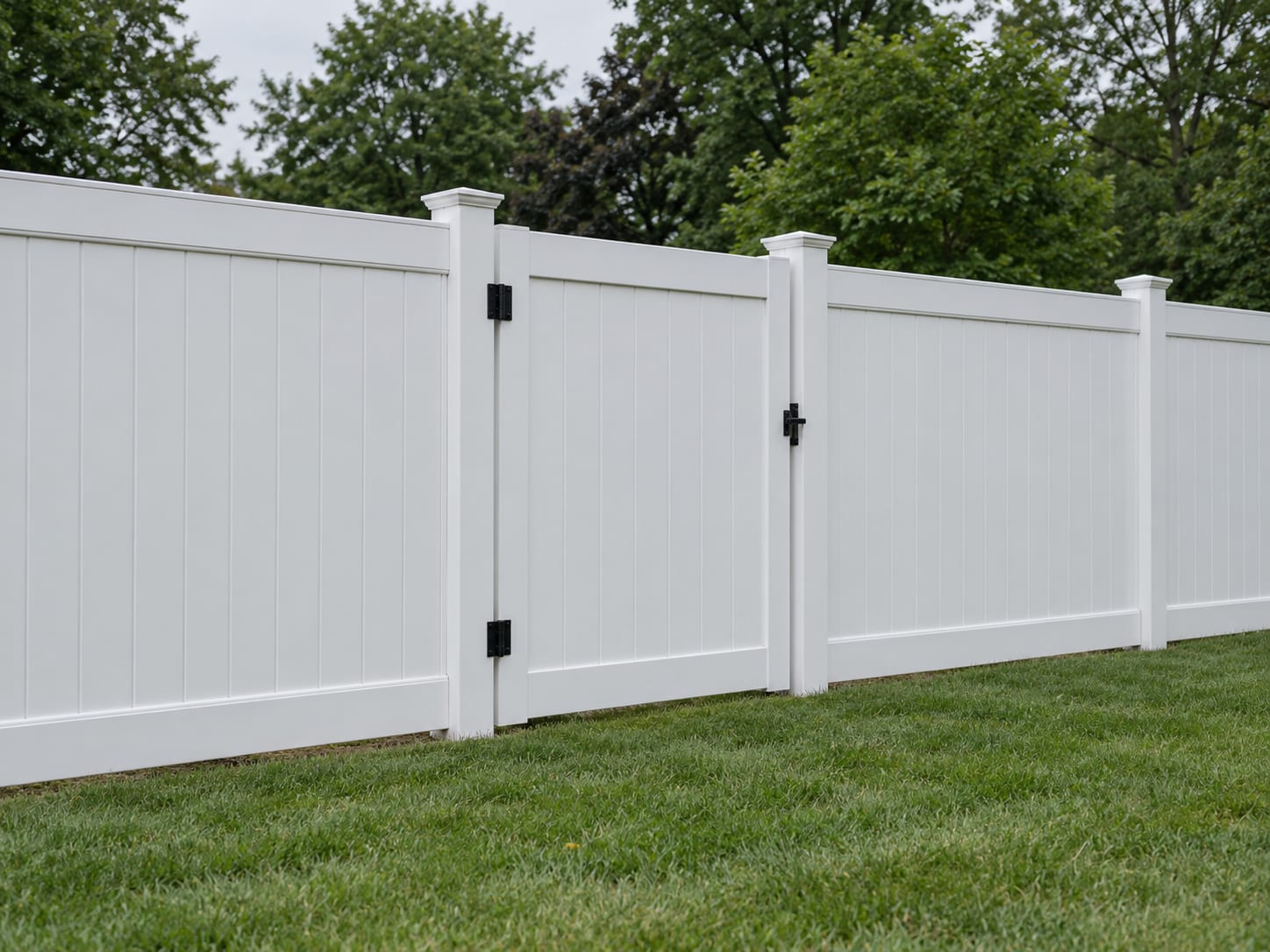
Put the latch beyond the dog's reach when possible. Check for openings under the gate and beside the hinges. The gate should follow the same spacing and dig-prevention requirements as the fence. If the yard slopes, inspect the lower corner after the gate is installed. A gap can grow where the grade changes.
A pool gate has additional Connecticut State Building Code requirements. Pedestrian pool gates must open outward, be self-closing, and have a self-latching device. When the latch release is below 54 inches, the code has additional placement and opening limits. Pool barrier height and opening requirements are separate from ordinary dog-containment decisions. Read Connecticut pool fence requirements before combining a dog fence with a pool barrier.
A physical fence creates a visible barrier and can keep stray dogs, wildlife, and people out of the dog's yard. It can still fail if the dog digs, climbs, jumps, chews through the material, or gets through an unsecured gate.
An electronic or invisible fence can work across irregular terrain, may cost less than a conventional fence, and avoids some gate-management mistakes. It requires boundary training, flags during training, a working collar, and a dependable power or wire system. A dead battery, broken wire, or power interruption can allow an escape. Electronic systems also do not stop another animal from entering the yard.
A frightened dog or a dog highly motivated by prey may cross the electronic boundary. VCA notes that some systems may stimulate the dog again when it tries to return. The American Veterinary Society of Animal Behavior position statements support reward-based training and do not support aversive methods such as electronic collars. If your dog needs protection from outside animals or separation from people, a physical fence is the more complete barrier.
Call the Town Before You Finalize the Design
Connecticut fence rules are set town by town. Call the town's Planning and Zoning or Zoning Enforcement Office first and ask about maximum height, front, side, rear, and corner-yard placement, setbacks, sightlines, finished-side requirements, and permits. Ask whether a zoning review, building permit, wetlands review, historic-district approval, or other review applies.
The statewide overview, Do You Need a Permit for Fence Installation in CT?, can help organize the questions, but the town decides how its rules apply to your property.
Ridgefield's Planning and Zoning Department states that fences may require a zoning permit and that a project may also require building or other review. Its online zoning regulations were amended through 2026, and the town directs applicants to the maintained printed regulations when a discrepancy affects the controlling text.
Newington states in its zoning FAQ that a building permit is not required for a fence while zoning requirements still apply. Danbury publishes its own district, yard, and maximum-height provisions. These examples show why a nearby town's practice cannot be used for your property.
New York requirements also vary by municipality. Putnam Valley requires a building permit for fences, walls, and enclosures within five feet of a property line or roadway, and its residential side and rear yard rule limits fences to six feet under the cited provision. New Rochelle permits fences up to four feet in required front yards and six feet in side or rear yards in residence districts. Mamaroneck limits residential fences to four feet in required front yards and five feet in required side or rear yards under its cited rule. Poughkeepsie permits fences and walls up to six feet on lot lines under its cited zoning provision, subject to its other requirements. Those are municipal rules, not countywide rules.
Bring the property address and a sketch showing the house, lot lines, roads, proposed fence line, gates, pool, wetlands, watercourses, and dimensions. Use a survey or reliable boundary information when the fence will be near a property line. A private neighbor agreement does not replace zoning, wetlands, building, boundary, or public-safety requirements.
The Connecticut Department of Consumer Protection home improvement information explains the state's home improvement rules, and residential fence installation falls within that work. The state Call Before You Dig system requires notice at least two full working days before mechanized excavation. If wetlands or a watercourse may be affected, the Connecticut DEEP municipal wetlands permitting information explains that the local inland wetlands agency determines whether an activity is regulated or exempt.
Use a written contract that states the fence height, material, posts, footings, gates, latch, self-closing hardware, bottom gap, dig guard, privacy screening, footage, removal, cleanup, taxes, permit responsibility, payment schedule, insurance, warranty, and site allowances. My Fence Guy can review the fence line, plan gate and bottom details around the dog's behavior, and put the site conditions and included work in a written quote.
A Practical Dog-Fence Planning Process
- 1
Watch the dog
Identify jumping, climbing, digging, chewing, squeezing, gate-rushing, and visual-trigger behavior.
- 2
Walk the fence line
Remove climbing aids and mark grade changes, low spots, walls, pools, wetlands, and access concerns.
- 3
Call the town
Confirm height, setbacks, sightlines, permits, wetlands, historic-district review, and pool-barrier rules.
- 4
Call Before You Dig
Give the required notice before mechanized excavation begins.
- 5
Set the containment details
Choose spacing, posts, footings, dig protection, top treatment, gates, and latch placement.
- 6
Inspect the finished fence
Check the bottom, gate gaps, fasteners, wire, latch, and areas where the grade changes.
Frequently Asked Questions
What is the best fence for dogs?
The best fence is a physical fence matched to the dog's escape behavior. Use privacy wood or vinyl for visual triggers, a dig barrier for diggers, a foothold-free design for climbers, narrow openings for small dogs, and a self-closing gate with a secure latch.
How tall should a fence be for a dog?
The fence should be tall enough that the individual dog cannot jump or climb over it. Confirm the permitted height with the local zoning office because Connecticut towns set their own fence rules.
How do I stop my dog from digging under the fence?
Install an inward-facing L-footer, buried mesh approximately one to two feet deep, anchored chain link, large rocks, or a concrete footer. Turn sharp wire edges away from the dog and inspect low spots where the grade changes.
Vinyl vs aluminum fence for dogs?
Vinyl is generally better when privacy can reduce barking and fence-running. Aluminum provides visibility and durability, but its openings must be narrow enough for the dog and its design should avoid climbing footholds.
Can a dog get past an electric fence?
Yes. A dog may cross when frightened, highly motivated by prey, inadequately trained, or willing to tolerate the stimulus. A dead battery, broken wire, or power interruption can also allow escape, and an electronic fence does not keep other animals out.
Dog Fence Decisions
1. What should determine the fence height?
2. Which feature helps a dog that digs?
3. What is a common reason to choose solid vinyl or wood panels?
4. Which gate feature supports yard safety?
5. What can an electronic fence fail to do?
Pick an answer to begin.
Final Thoughts
Choose the fence around the dog you have and the yard you need to contain. Start with behavior, then settle height, spacing, bottom protection, gate hardware, material, local approvals, and the site conditions that affect the work. My Fence Guy can help turn those decisions into a written fence plan and estimate. Call us at (203) 746-1100 for a free estimate, or reach out through our contact page.
Dog Fence Terms
Tap a term to see what it means.
L-footer. A fence-bottom barrier that turns inward along the ground or is buried to resist digging.
More about fences
How Deep Should Fence Posts Be in Connecticut? Frost Line and Footings
How deep to set fence posts in Connecticut: frost depth, manufacturer depth rules by fence height, concrete or gravel, and how frost heave lifts posts.
Read the guide to How Deep Should Fence Posts Be in Connecticut? Frost Line and FootingsInstalling a Fence on Rocky Soil and Ledge in Western Connecticut
Rocky soil and ledge are common in western Connecticut, and fences still go in. Core drilling, pinned posts, surface mounts, and how ledge affects cost.
Read the guide to Installing a Fence on Rocky Soil and Ledge in Western ConnecticutFencing a Sloped Yard: Stepped vs Racked Fences
Fencing a sloped yard: stepped or racked panels, which materials rack and how far, handling gaps under the fence for pets and pools, and the cost of a slope.
Read the guide to Fencing a Sloped Yard