
Neighbor Fence Questions in Connecticut: Shared Costs, Repairs and Removal
By Tony Pellicone13 min readPublished
- property lines
- neighbors
- connecticut
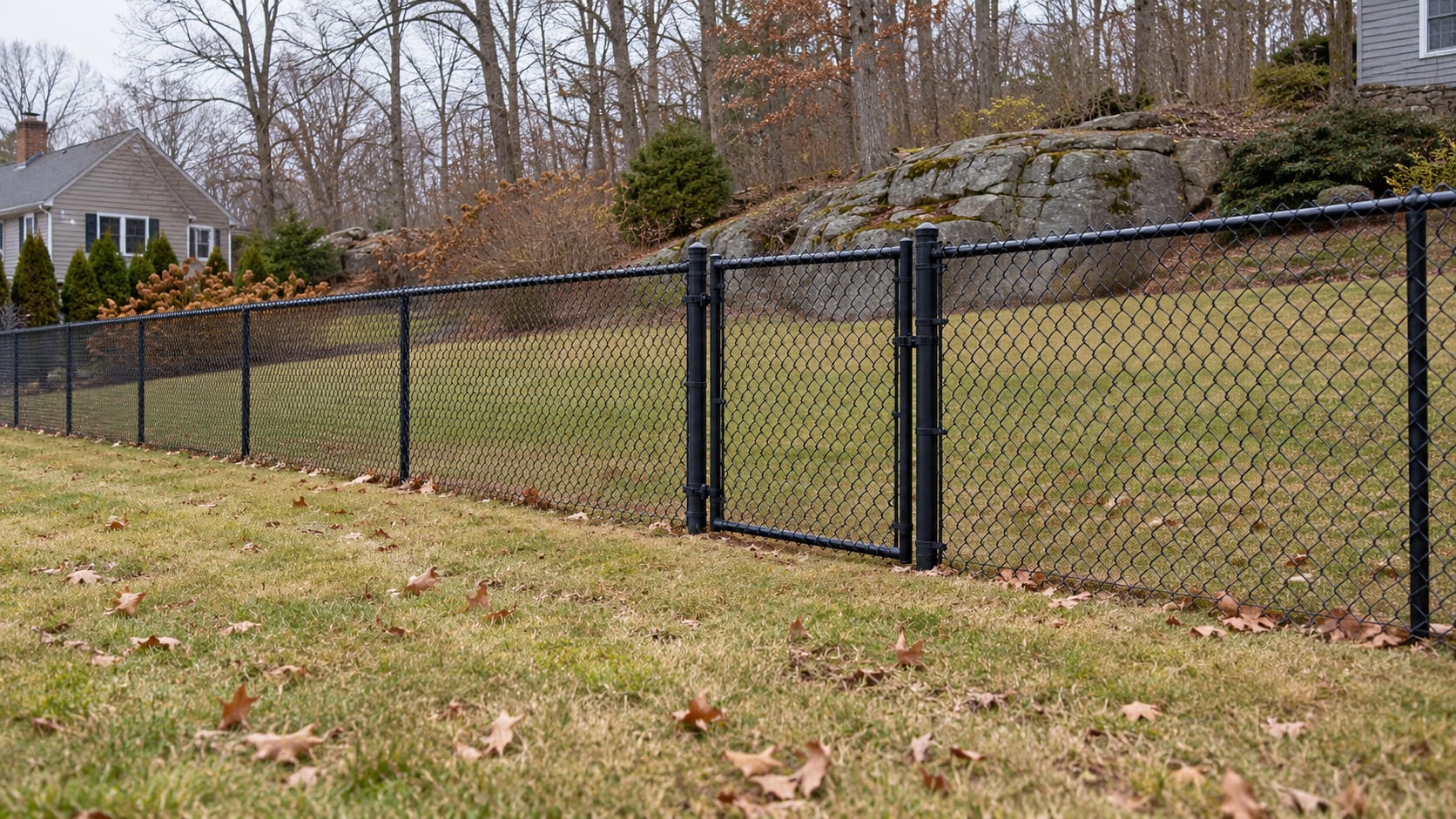
Whether a fence between neighbors is shared depends first on the legal boundary, where the fence sits, whether it qualifies as a statutory division fence, and whether you already have a written agreement. Connecticut sets one rule for the cost of a statutory division fence, while height and permits are decided by each town.
Before removing, relocating, attaching anything to, or paying for a fence, review the deed and survey, talk with the neighbor, confirm local approvals, and put the agreement in writing. If ownership, title, an easement, or encroachment is disputed, speak with a Connecticut real estate attorney before work begins.
Key Takeaways
Shared costs
Connecticut law can divide responsibility for a statutory division fence, but not every fence between neighbors qualifies.
Fence removal
Do not remove or damage a fence owned by someone else without permission or legal authority.
Boundary location
A fence’s apparent position does not settle the legal property line, so use a licensed land surveyor when the line is uncertain.
Town rules
Height, setbacks, permits, wetlands review, and historic approvals depend on the municipality and the property.
Written agreement
Set out the fence line, materials, gates, payment shares, repairs, attachments, access, and removal rights before construction.
What Connecticut law says about a fence between neighbors
Connecticut General Statutes Chapter 823 applies to division fences between adjoining properties. Under CGS §47-43, “adjoining proprietors shall each make and maintain half of a divisional fence, the middle line of which shall be on the dividing line.”
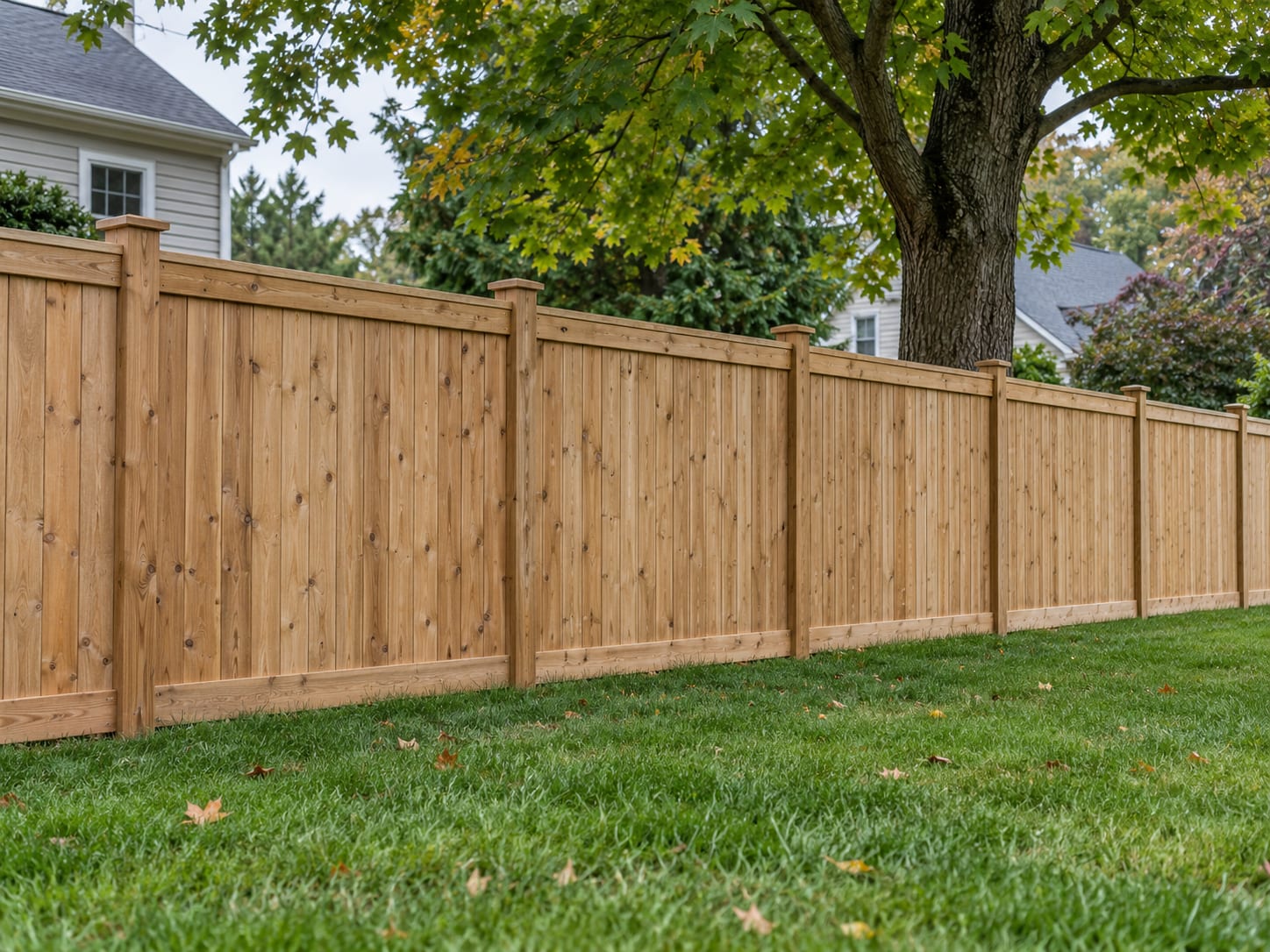
That rule applies to a legally recognized division fence. A fence near a boundary is jointly owned only when it qualifies as one, and a licensed survey is what settles a disputed property line. Chapter 823 describes examples of sufficient fences, including a 4.5-foot tight board fence, a 4-foot open picket fence, a 4-foot slat rail fence, and specified chain-link, rail, stone-wall, and wire fences. These standards relate to sufficient livestock and enclosure fences; your town's zoning sets the height for a home fence.
If a division fence has never been divided and one owner refuses to divide it, CGS §47-50 permits the other owner to ask the selectmen to divide it in writing. The refusing party must pay the certified cost of that proceeding.
For repairs, CGS §47-51 provides that the aggrieved party may call on the selectmen to view an insufficient division fence. If written notice is given and repairs are not made within 15 days, the aggrieved party may make the repairs and seek double the written repair estimate, plus selectmen’s fees, subject to the statutory lien process.
A dwelling owner also has a special process under CGS §47-56 when adjoining owners cannot agree about a division fence. The adjoining owner pays the share that would apply to an ordinary sufficient fence. If one owner chooses a better or more expensive fence, that owner pays the extra cost and the additional maintenance cost beyond the ordinary fence.
Who decides whether the fence is on the boundary?
Chapter 823 gives fence viewers a role in division-fence proceedings, but the chapter’s annotations state that fence viewers do not settle disputed boundary lines. If the fence may be on your land, your neighbor’s land, or the dividing line, a licensed Connecticut land surveyor should locate the boundary.
A deed, recorded map, prior survey, boundary agreement, stone monument, or long period of occupation may affect the legal analysis. A tax map or online parcel line can help you identify the parcel, but it should not be treated as a boundary survey.
Read Building a Fence on the Property Line in Connecticut: Setbacks, Surveys and Neighbors before ordering materials or asking a crew to move an existing fence.
Can a neighbor remove, alter, or attach items to a fence?
The ownership and location of the fence come first. If the fence is wholly on one owner’s land, the adjoining neighbor generally should not remove, cut, move, damage, or alter it without permission or a legal right.
CGS §52-569 provides that a person who willfully and unlawfully throws down or leaves open a fence belonging to a particular enclosure or common field may owe double damages to the injured party. That statute concerns a fence belonging to an enclosure or common field, so ask a Connecticut real estate attorney how it applies to a residential fence.
If the fence is a division fence on the boundary, both owners may have responsibilities connected with maintenance. That shared status still does not give either party a free hand to make changes that affect the other property’s access, drainage, livestock containment, pets, privacy, or use.
The same principle applies to attachments. Lighting, signs, planters, trellises, cameras, gates, animal restraints, and other objects should not be attached to another person’s fence without permission. Even a simple planter can add weight, hold moisture against wood, interfere with maintenance, or cross the property line.
If the fence is jointly owned or treated as a statutory division fence, write down whether attachments are allowed, who maintains them, who pays for damage, and who removes them when the fence is repaired or replaced.
What to do before removing anything
Photograph the fence and the attached item. Record the location, date, visible damage, access problems, and any effect on drainage or animals. Then ask the neighbor in writing what was attached, why it was installed, and whether there is an agreement or permission supporting it.
If the item is unsafe, blocks a required access route, damages the fence, or affects a regulated area, contact the appropriate town office. Avoid cutting, dismantling, or discarding another person’s property while ownership and permission remain disputed.
How much should each neighbor pay?
For a statutory division fence, CGS §47-43 assigns each adjoining owner responsibility for half of the fence. That does not make every replacement a 50-50 project. The legal share may depend on whether the fence is a division fence, whether a written agreement exists, and whether one owner requested a better or more expensive installation.
The ordinary sufficient fence is the important comparison under CGS §47-56. If one owner chooses a higher-cost material, added height, decorative posts, extra gates, automation, privacy features, or another upgrade, that owner may be responsible for the extra cost.
A private agreement can set a different arrangement. You might agree that one owner pays for installation while both owners share future repairs, or that the owner who wants privacy pays for the upgrade above an ordinary fence. The agreement should identify the exact scope and the payment schedule.
A current national cost reference from Angi reports 2026 installed fence costs of about $6 to $50 per linear foot, with an average of about $23 per linear foot, and an average national project cost of $3,276. These are national figures based on reported projects, not Connecticut pricing and not a legal measure of either owner’s share.
Connecticut pricing depends on linear footage, material, gates, removal, disposal, grade, access, ledge, stone walls, permits, and survey-related work. Ask for an itemized local estimate that separates those costs.
Hover or tap a row to highlight it.
| Cost item | What to put in writing |
|---|---|
| Fence length | Linear footage and the exact start and end points |
| Materials | Wood, vinyl, aluminum, chain link, ornamental metal, wire, posts, caps, and hardware |
| Gates | Number, width, swing direction, locks, automation, and future repair responsibility |
| Existing fence | Removal, disposal, salvage, and temporary animal or pet containment |
| Site work | Clearing, grading, ledge, old stone walls, drainage, and difficult access |
| Approvals | Permits, wetlands review, historic approval, inspections, and fees |
| Future work | Repairs, staining, painting, replacement, removal, and damage caused by trees, animals, storms, vehicles, or contractors |
A written quote should also state who applies for permits, who pays town fees, where the finished side faces, how posts and gates will be placed, and what happens if the boundary is later shown to be different from the proposed fence line. My Fence Guy can prepare a quote that separates the fence work, gates, removal, site conditions, and other agreed items so both owners can review the same scope.
What to settle before construction starts
The best time to settle a neighbor fence question is before the first post hole is dug. Start with the boundary and the fence line, then work through the practical details.
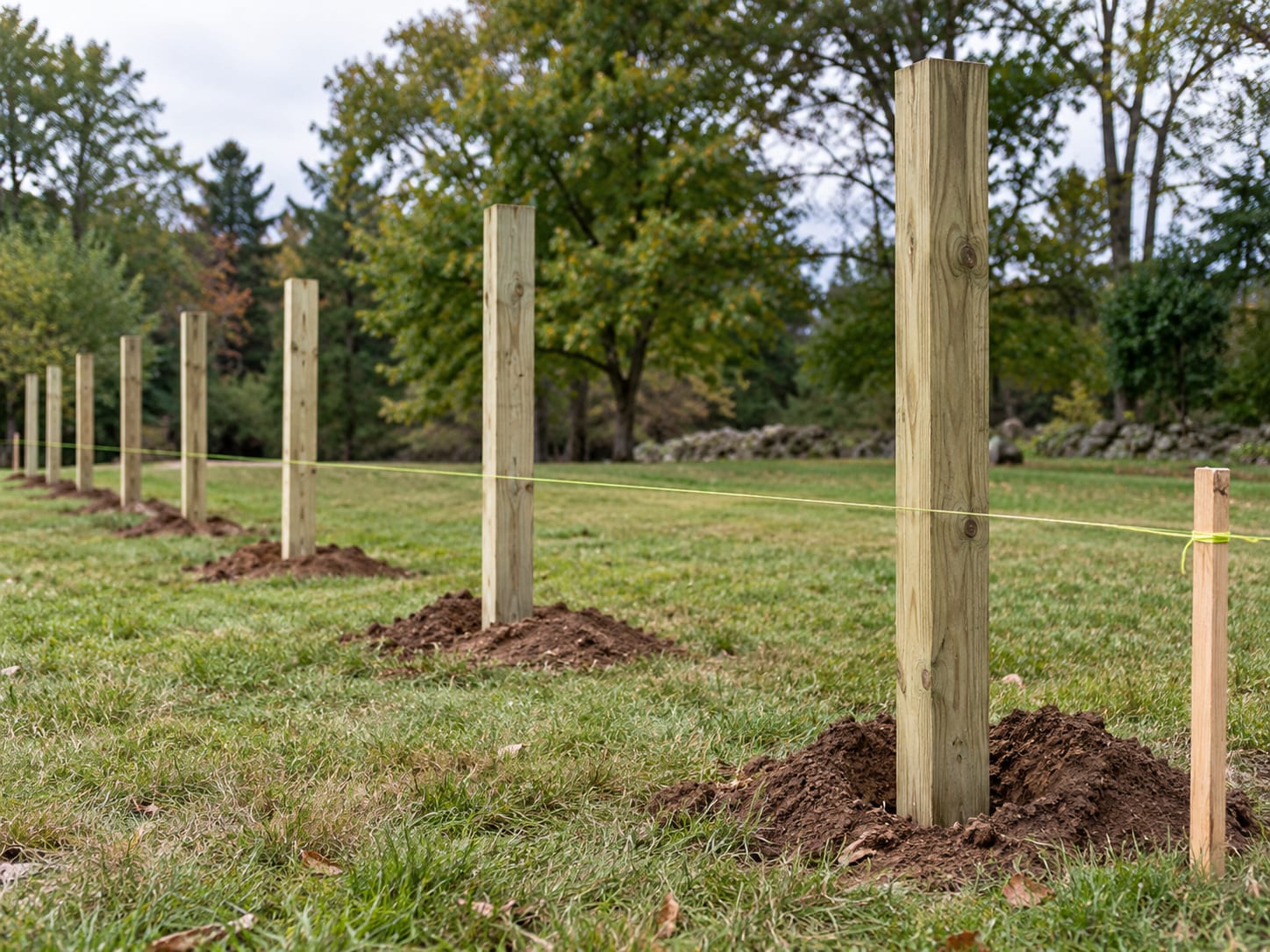
Discuss whether the fence will sit entirely on one property or be centered on the boundary. Mark the corners, gates, access points, height, materials, finished side, posts, footings, and drainage. Decide who may enter the other property for construction and later maintenance.
Put future responsibilities in writing. Include who pays for staining, painting, repairs, replacement, removal, vegetation trimming, animal damage, storm damage, vehicle damage, and contractor damage. State whether either owner may plant along the fence or attach signs, lights, cameras, trellises, planters, or animal equipment.
If either property may be sold, ask whether the agreement should bind future owners and be recorded. A Connecticut real estate attorney can draft or review a boundary agreement, easement, cost-sharing agreement, or written settlement.
Town approvals and excavation
Connecticut fence approvals are local. Contact the town Planning and Zoning Department and Building Department for the property address. Ask whether the project needs a zoning permit, building permit, wetlands review, historic-district approval, health approval, or another authorization.
Bethel’s zoning regulations effective in 2025 place fences and walls inside lot lines. They limit fences to 4 feet within a front setback and 6 feet within side or rear setbacks, with exceptions for livestock properties and residential property adjoining commercial or industrial use. A fence outside a required setback may reach 8 feet. Bethel also addresses corner-lot visibility, barbed wire, and electrically charged fencing in residential zones.
Ridgefield’s Planning and Zoning Department states that a fence may need a zoning permit, a building permit, or both, depending on the project. Its requirements may involve Planning and Zoning, Building, Inland Wetlands, Historic District, or Health Department review.
Brookfield, Newtown, Danbury, and New Milford must be checked through their current municipal rules for the specific parcel. Nearby New York towns use New York municipal zoning and building rules, not Connecticut law. Westchester, Dutchess, and Putnam properties should be checked with the particular town, village, or city office.
For a broader permit discussion, read Do You Need a Permit for Fence Installation in CT?. Ask the town:
1. Is a fence permit required for this address? 2. Is the approval called a zoning permit, building permit, zoning certificate, or another authorization? 3. What are the front, side, rear, corner-lot, and road-right-of-way limits? 4. How is height measured? 5. Is a survey, site plan, or property-line document required? 6. Are wetlands, watercourses, floodplains, historic districts, or conservation restrictions involved? 7. Are gates, retaining walls, pool barriers, electric fencing, or barbed wire regulated separately? 8. What inspection, fee, or certificate applies?
Before mechanized excavation, call 811 or CBYD at 1-800-922-4455. Connecticut requires notice at least two full working days before excavation, excluding Saturdays, Sundays, and holidays. The process is covered in Call Before You Dig: Marking Utilities Before a Fence Goes In in Connecticut.
A practical order for resolving a neighbor fence issue
- 1
Talk first
Describe the location, ownership question, damage, height, access, attachments, drainage, animals, and cost concern.
- 2
Gather documents
Review the deed, title policy, prior survey, recorded map, boundary agreement, and written fence agreement.
- 3
Confirm the line
Hire a licensed land surveyor if the boundary or fence location is uncertain.
- 4
Ask the town
Contact Planning and Zoning, Building, Inland Wetlands, and any other office connected with the property.
- 5
Mark utilities
Call 811 or CBYD at least two full working days before mechanized excavation.
- 6
Write the deal
State the fence line, materials, gates, access, payment shares, repairs, attachments, and removal rights.
- 7
Sign the contract
Use a written, signed, and dated home-improvement contract with the contractor’s scope, price, schedule, permits, and change-order terms.
- 8
Get legal advice
Consult a Connecticut real estate attorney when title, easement, encroachment, removal, or court relief is disputed.
When to involve a Connecticut real estate attorney
A surveyor can locate or mark a boundary. A surveyor does not decide legal title, adverse possession, easement rights, prescriptive rights, or the effect of a boundary agreement.
Speak with a Connecticut real estate attorney when the neighbor disputes the line, a survey conflicts with the deed or recorded map, either party claims an easement or right-of-way, or a fence crosses the boundary. Legal advice is also appropriate when a neighbor threatens removal or damage, construction has crossed the line, or you need an injunction, damages, a declaratory judgment, or court-ordered removal.
You should also consult an attorney when the fence involves a commercial property, farm, subdivision, condominium, shared access, contractor lien, insurance claim, permit dispute, foreclosure notice, municipal enforcement notice, demand letter, or lawsuit.
A spite-fence claim deserves legal review. Under CGS §52-480, a court may enjoin the malicious erection of a structure intended to annoy and injure an adjacent owner’s use or disposition of land. Under CGS §52-570, an adjacent landowner may bring an action against an owner or lessee who maliciously erects a structure with that intent.
A tall, unattractive, privacy-oriented, or view-blocking fence is not automatically a spite fence. The claim generally requires proof that the structure was erected on the defendant’s land, was malicious, was intended to injure the neighbor’s enjoyment, impaired property value, was useless to the defendant, and actually impaired the neighbor’s enjoyment. The malicious purpose must be predominant. A fence used for privacy, security, children, pets, livestock, or an approved property use may have a legitimate purpose.
Frequently Asked Questions
Can my neighbor take down a fence without my permission?
Usually, a neighbor should not remove, damage, or alter a fence belonging to someone else without permission or legal authority. The answer can change if the fence is a division fence, a written agreement addresses removal, a documented easement applies, or a municipal order requires work.
Can I remove items my neighbor attached to my fence?
Do not remove attached items until ownership, permission, and safety are clear. Photograph the item, ask for removal or a written agreement, and get legal advice before cutting or discarding another person’s property if the fence is shared or the boundary is disputed.
Who pays for a fence between neighbors?
For a statutory division fence, Connecticut law can require each adjoining owner to maintain half of the fence. A private fence, an upgraded material, a special gate, or a written agreement may assign costs differently, so identify the fence type and agreed scope before construction.
What is a spite fence in Connecticut?
A spite fence is generally a structure erected with a predominant malicious purpose to annoy or injure an adjacent owner’s use of land. CGS §§52-480 and 52-570 address malicious structures, and a legitimate purpose such as privacy, security, pets, children, or livestock may affect the claim.
What should I do if my neighbor puts a fence on my property?
Pause the work, photograph the fence and any disturbed markers, gather your deed and survey, and hire a licensed land surveyor if the line is uncertain. Do not remove the fence or move boundary markers, and consult a Connecticut real estate attorney if the survey confirms encroachment or title rights remain disputed.
Neighbor Fence Questions
1. What should you confirm first when a fence may cross the boundary?
2. How much notice is required before mechanized excavation in Connecticut?
3. Which Connecticut statute addresses a maliciously erected structure?
4. What can a licensed land surveyor help establish?
5. What should a neighbor fence agreement identify?
Pick an answer to begin.
Final Thoughts
A neighbor fence problem is easier to manage when you separate the questions: where is the boundary, who owns or shares the fence, what does the town require, and what work or payment agreement will both parties accept. Confirm those points before construction, removal, or attachment work begins.
We handle the fence scope, gates, removal, site conditions, and written estimate so you can review the practical work with your neighbor, surveyor, attorney, or town office. Call us at (203) 746-1100 for a free estimate, or reach out through our contact page.
Neighbor Fence Terms
Tap a term to see what it means.
Division fence. A fence between adjoining properties governed by Connecticut’s division-fence statutes.
More about fences
Which Side of the Fence Faces the Neighbor in Connecticut?
Which side of a fence faces the neighbor in Connecticut: the towns that require the finished side out, common practice, and styles finished on both faces.
Read the guide to Which Side of the Fence Faces the Neighbor in Connecticut?Building a Fence on the Property Line in Connecticut: Setbacks, Surveys and Neighbors
How close a fence can sit to the property line in Connecticut, how to find the line with a survey, and what to put in writing with your neighbor first.
Read the guide to Building a Fence on the Property Line in ConnecticutFences and Old Stone Walls: Building Alongside, Behind or On Top
Fencing beside an old Connecticut stone wall: placing posts without disturbing it, fencing behind or on top, gates through gaps, and who owns a boundary wall.
Read the guide to Fences and Old Stone Walls