
How Much Does a Fence Cost in Connecticut? What Drives the Price
By Tony Pellicone12 min readPublished
- fence installation
- homeowner guide
- connecticut
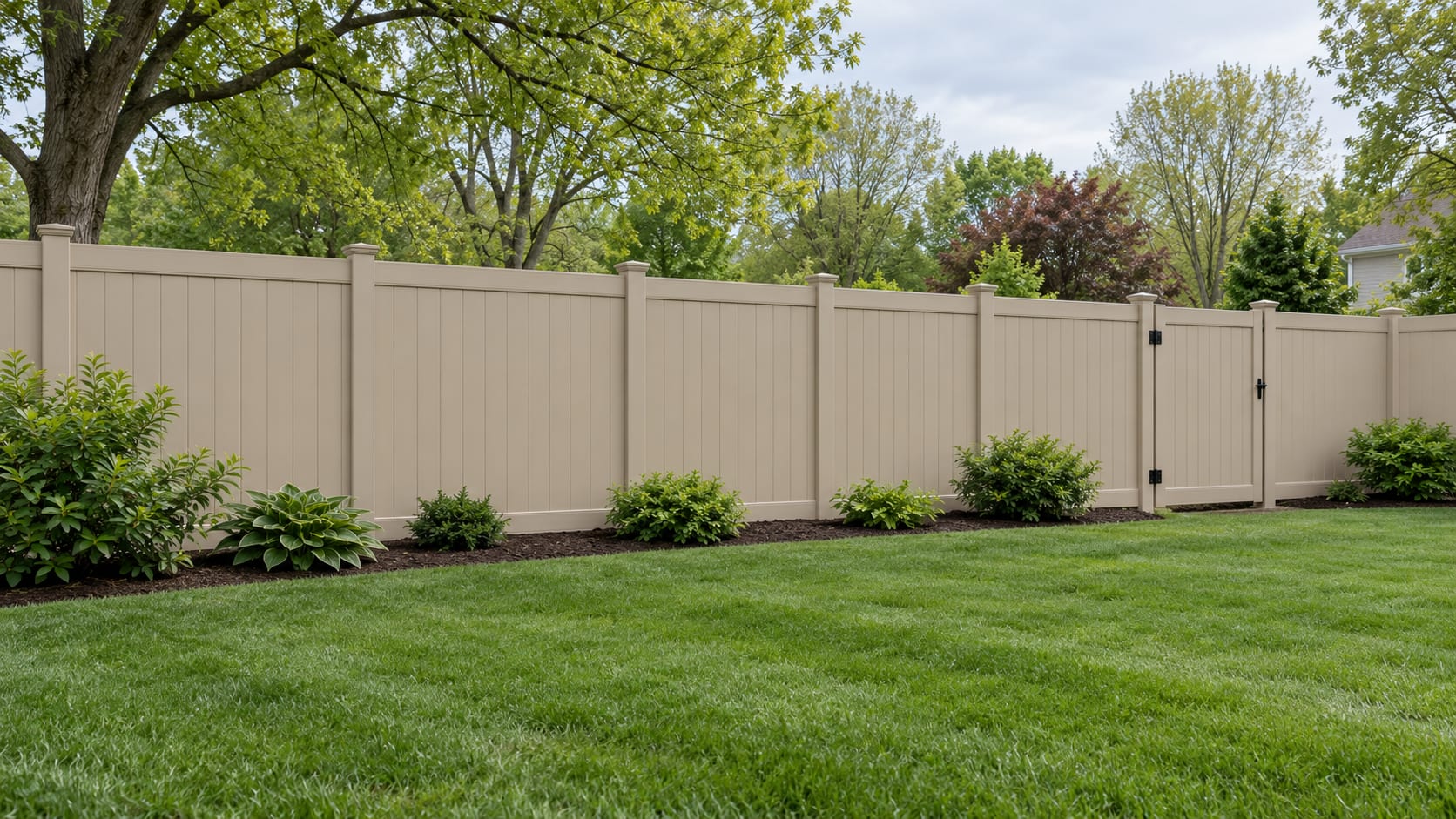
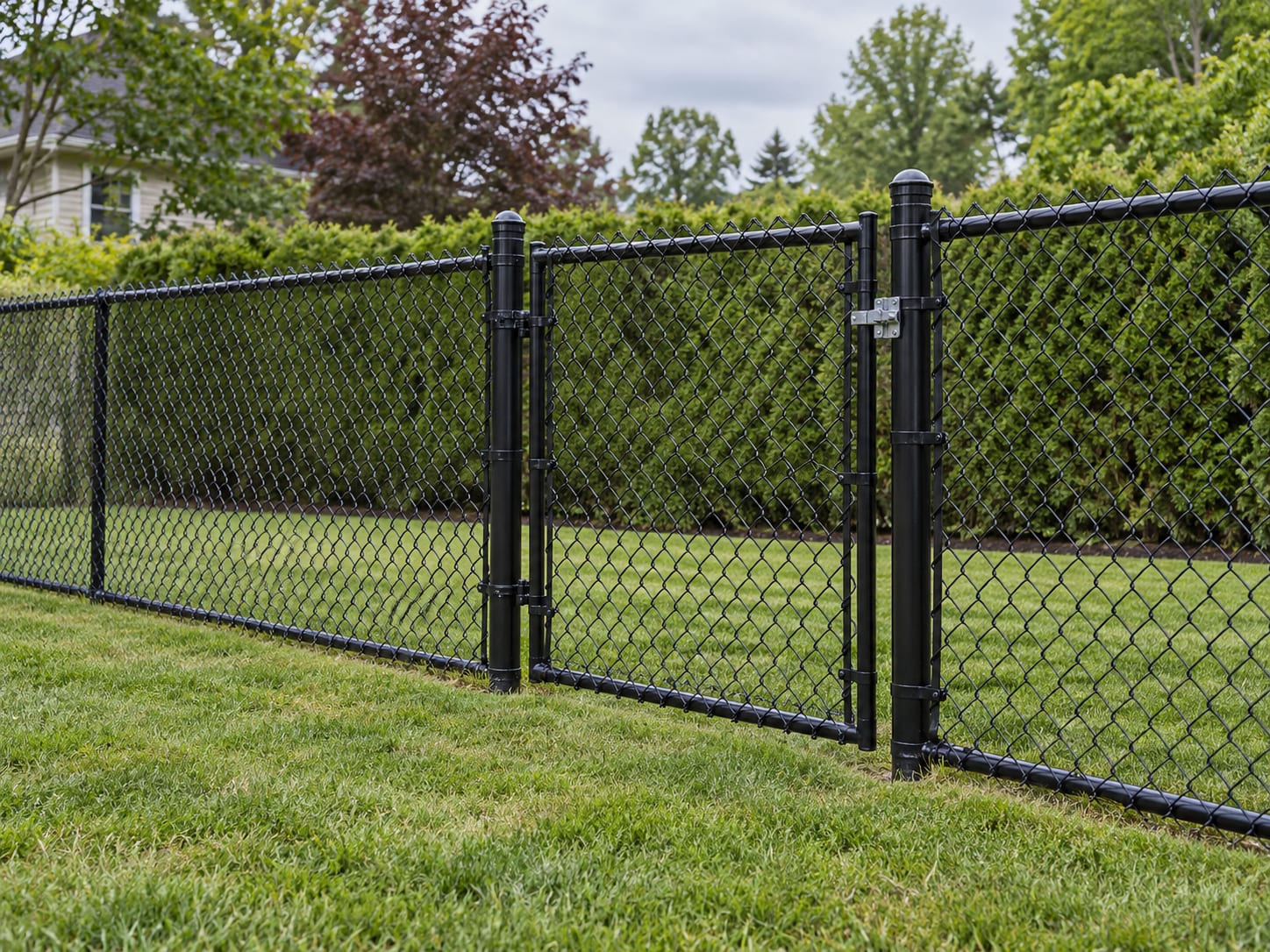
Most installed fences fall within national 2026 ranges of about $12.25 to $40 per linear foot, depending on material, height, style, gates, access, excavation, and approvals. For 100 linear feet, that means a preliminary range of $1,225 to $4,000 for chain link, while ornamental metal may run from $2,200 to $4,000 before added site costs.
Those numbers are planning figures, not a Connecticut quote. The final price depends on what your property requires, especially the number of gates, the fence height, the condition of the ground, and whether the town requires permits or other review.
Key Takeaways
National planning range
Installed fence costs in 2026 range from $12.25 to $40 per linear foot for the material categories covered here.
Main price drivers
Length, height, style, gates, excavation, access, removal, and local approvals shape the final price.
Local rules
Connecticut fence requirements are set by each town, so ask planning and zoning and the building department before ordering materials.
Written scope
Your contract should identify materials, footage, gates, permits, cleanup, payment terms, dates, and approved changes.
Tax treatment
A personal residence fence is generally a capital expense, while a rental or business fence is generally capitalized and depreciated.
A practical starting point for your fence budget
The first useful estimate comes from multiplying the approximate fence length by the installed range for the material you are considering. That gives you a starting point, but it does not account for gates, removal, difficult digging, surveys, permits, or restoration.
Hover or tap a row to highlight it.
| Material | National installed cost per linear foot | Approximate cost for 100 feet |
|---|---|---|
| Wood | $15 to $35 | $1,500 to $3,500 |
| Vinyl or PVC | $15 to $40 | $1,500 to $4,000 |
| Aluminum | $15 to $40 | $1,500 to $4,000 |
| Chain link | $12.25 to $40 | $1,225 to $4,000 |
| Wrought iron or ornamental metal | $22 to $40 | $2,200 to $4,000 |
These are national 2026 planning ranges reported by Fixr's fence installation cost data. Angi reports broader national ranges in several categories, including $10 to $45 per linear foot for wood, $15 to $40 for vinyl, $8 to $40 for chain link, $17 to $90 for aluminum, and $25 to $55 for wrought iron in 2026.
The ranges overlap because a simple 6-foot chain-link fence and a decorative aluminum fence do not involve the same materials or labor. Even within one material, a basic open design will usually price differently from a privacy style, shadow-box pattern, lattice top, heavier gauge, or decorative finish.
Fixr separates material and labor ranges. Wood materials run from $5 to $15 per linear foot, with $10 to $20 per linear foot for labor. Vinyl and aluminum materials run from $10 to $30 per linear foot, with $5 to $10 per linear foot for labor. Chain-link materials run from $2.25 to $20 per linear foot, with $6.75 to $15 per linear foot for labor. Wrought-iron materials run from $13 to $30 per linear foot, with $9 to $10 per linear foot for labor.
For a wood project, compare wood fencing options and styles with the privacy, security, and upkeep needs of the property. A 4-foot picket fence and a 6-foot privacy fence may both be wood, but they require different quantities of boards, posts, rails, concrete, and labor.
What makes one fence cost more than another?
Length is the most direct cost driver. More linear feet require more posts, panels or rails, concrete, layout, handling, and installation time. An irregular route around a house, driveway, garden, pool, or outbuilding also takes more layout work than a straight run.
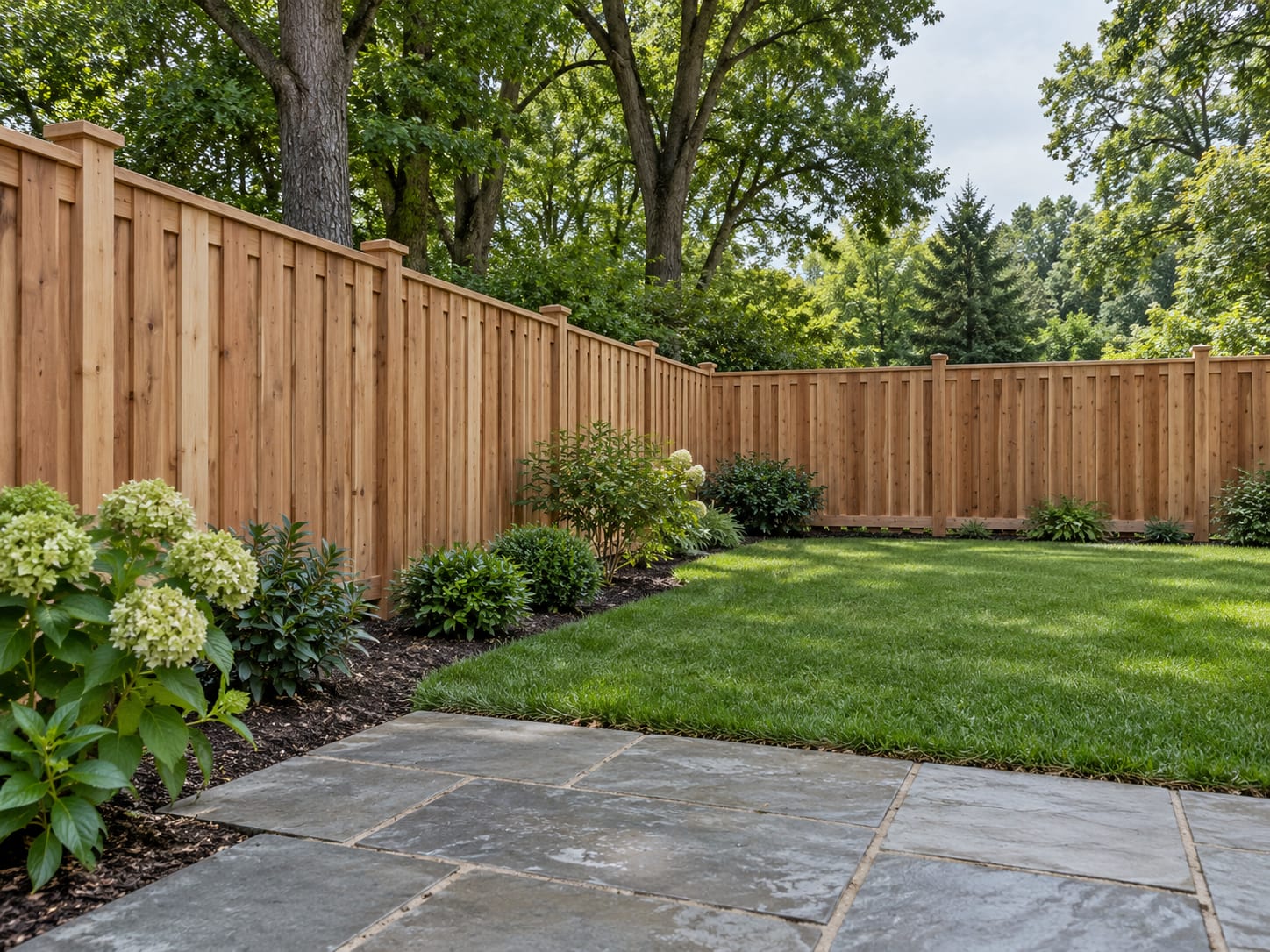
Height and style affect both material and labor. A 6-foot fence uses more material than a 4-foot fence. Solid privacy, shadow-box, lattice, and ornamental designs generally cost more than simple open fencing. A taller fence may also need taller posts, stronger support, and different local approval.
Gates add their own posts, hinges, latches, framing, hardware, and installation. A wide double-drive gate costs more than a walk gate. Automation adds equipment, wiring, controls, and setup. Decide where people, vehicles, lawn equipment, livestock, and emergency access need to pass before the fence route is finalized.
Ground conditions can change the estimate. A sloped yard may need stepped or racked sections, transitions, and additional layout. Visible ledge or rocky soil may require hand excavation, rock drilling, specialized equipment, revised post locations, or a surface-mounted solution. If you have this kind of ground, ask how the quote handles excavation that exceeds ordinary digging. More detail on this condition is available in Installing a Fence on Rocky Soil and Ledge in Western Connecticut.
Old-fence removal adds demolition, hauling, disposal, and sorting. Limited access can add handling time when materials must travel around buildings, over steep ground, or long distances from the driveway. Restoration may also be needed around gardens, lawns, paving, and plantings.
A quote should state whether it includes:
- Layout and ordinary post-hole excavation.
- Concrete and post installation.
- Fence panels, boards, rails, mesh, or pickets.
- Gate sizes, hardware, and automation.
- Old-fence removal and disposal.
- Permit or application fees.
- Survey or boundary-location work.
- Utility locating.
- Cleanup and site restoration.
- Rock, ledge, roots, or other excavation allowances.
- Changes requested after the agreement is signed.
My Fence Guy can provide a written scope that identifies the footage, height, material, gates, removal, cleanup, and site conditions that affect installation.
What to ask your town before installation
Each Connecticut town sets its own fence-permit and fence-height rules. Planning and zoning regulations, building requirements, wetlands rules, historic review, and health-related site limits can vary by location.
Start with the planning and zoning office. Ask about fence height, front-yard and corner-lot visibility, setbacks, location, materials, zoning permits, and special approvals. Then ask the building department whether a building permit or inspection is required. Do You Need a Permit for Fence Installation in CT? explains the state and local questions to raise.
Ridgefield lists fences among projects that may require zoning, building, wetlands, historic-district, or health-department review, depending on the project. Newington's published regulations give one local example, with residential fences limited to 4 feet in front yards and 6 feet in side and rear yards, along with corner-lot visibility rules. That is a Newington rule, not a statewide Connecticut rule.
Nearby New York towns have their own requirements. Putnam Valley requires a building permit for fences within 5 feet of a property line or roadway and limits many front fences to 4 feet and side or rear fences to 6 feet. Pawling requires a fence permit and certificate of compliance, with most residential front-yard fences limited to 4 feet and side or rear fences limited to 6 feet 6 inches. Ask the specific town or village building and zoning office for the property address.
If the route may affect wetlands, watercourses, buffers, grading, clearing, or access, ask the municipal inland wetlands agency for a jurisdictional determination. If the property has septic or a well, ask the health department about the proposed route. If the property is in a historic district or historic-property review area, ask the historic district commission about the material, height, and approval process.
Before any digging, call Connecticut Call Before You Dig at 811 or 1-800-922-4455. Utility locating can affect the fence route and the order of work. The state requirement and contact information are available through Connecticut Call Before You Dig.
Questions to settle before installation
- 1
Confirm the route
Mark the proposed fence, gates, pool, driveway, property lines, wetlands, watercourses, and existing structures.
- 2
Ask planning and zoning
Confirm height, setbacks, corner visibility, materials, zoning permits, and special approvals.
- 3
Ask the building department
Confirm whether a building permit or inspection is required.
- 4
Ask other local offices
Contact inland wetlands, health, historic district, and the assessor when the property conditions call for it.
- 5
Call before you dig
Contact 811 or 1-800-922-4455 before excavation.
- 6
Sign a complete contract
Put the footage, materials, gates, dates, payment terms, cleanup, permits, and change process in writing.
What a Connecticut fence contract should contain
A residential fence installation is home improvement under Connecticut Department of Consumer Protection guidance. A contractor performing residential home improvement must be registered with DCP, and you can check registration through the state's eLicense system.
Under Connecticut General Statutes Chapter 400, including CGS Section 20-429, the contract must be written and signed by the homeowner and contractor. It must contain the entire agreement, identify the contractor and address, include the contractor's home improvement registration number, state the transaction date, include starting and completion dates, provide the required cancellation notice, and be entered into by a registered contractor or salesperson.
DCP says the contract should also identify the quality or brand of materials, who will obtain required town permits, who will clean the worksite, the payment schedule, and how changes and modifications will be handled. A fence contract should add the linear footage, height, style, post spacing, gate sizes, hardware, finish, removal, disposal, restoration, treatment of rock or ledge, warranty, and approved-change procedure.
The contract must include this cancellation language:
> “You the buyer may cancel this transaction at any time prior to midnight on the third business day after the date of this transaction. See the attached notice of cancellation for an explanation of this right.”
The notice must be attached, made part of the contract, provided in duplicate, and placed near the homeowner's signature. Both parties must sign and date the contract, and you should receive a signed and dated copy.
If a boundary is uncertain, ask whether a survey or other boundary work is needed before layout. A private agreement with a neighbor can address location, cost sharing, access, gate use, maintenance, and removal, but it does not replace town approval or establish a property boundary. For more on this issue, see Building a Fence on the Property Line in Connecticut: Setbacks, Surveys and Neighbors.
Professional installation or do-it-yourself work
DIY installation can reduce the labor portion of a project, but it does not remove the cost of materials, delivery, concrete, tools, layout, disposal, permits, utility locating, or repairs. It may cost less when the route is short, level, accessible, clearly located on the owner's property, and free of ledge, buried utilities, and complicated gates.
Professional installation can make financial sense when the fence is long, irregular, steep, difficult to access, close to wetlands or watercourses, or built around several gates. It also helps when the project involves heavy aluminum or ornamental sections, a pool barrier, property-line uncertainty, septic areas, or old-fence removal.
A homeowner doing the work should still contact the town, confirm the boundary, obtain required approvals, and call before digging. DIY work on your property is excluded from Connecticut's Home Improvement Act registration requirement, but local zoning, building, wetlands, safety, and boundary requirements still apply.
A pool fence deserves separate planning because gate direction, latch height, barrier height, and nearby structures may affect the design. See Connecticut Pool Fence Requirements: Height, Gates and Permits before choosing a layout.
How taxes and assessment may apply
For a personal residence, a new fence is generally not an immediate federal income-tax deduction. Keep the contract, invoice, permit, survey, and payment records because the cost may become part of the property's basis when you sell, subject to the tax rules that apply to the sale.
For a rental or business property, the IRS treats a new fence as an improvement. IRS Publication 527 lists a fence as an example of a rental-property improvement. The cost generally must be capitalized and recovered through depreciation rather than deducted immediately. Installation charges and a survey performed to install the fence can be included in the property's cost basis.
A repair to a damaged section may receive different treatment from a new fence or substantial replacement. Ask a tax professional how the specific project should be classified.
Connecticut property assessment is local. Municipal assessors value taxable real property and permanently attached improvements. Ask the assessor whether the town treats your fence as a taxable improvement, whether permit information triggers a review, when the improvement could appear on the grand list, how the town values site improvements, and what appeal rights apply if the assessment changes. Connecticut OPM's municipal assessor information provides the starting point for contacting the correct office.
Frequently Asked Questions
How much does it cost to install 100 feet of fence?
A 100-foot fence has a national 2026 planning range of $1,500 to $3,500 for wood, $1,500 to $4,000 for vinyl or aluminum, $1,225 to $4,000 for chain link, and $2,200 to $4,000 for wrought iron or ornamental metal. Gates, removal, rock, ledge, permits, surveys, access, and restoration can add to the project cost.
Why are fences so expensive?
Fences cost more when they require many linear feet, taller or heavier materials, privacy styles, multiple gates, deep excavation, concrete, old-fence removal, difficult access, survey work, or local approvals. The installation work includes layout, posts, support, panels or rails, gates, cleanup, and handling.
Is do-it-yourself fence installation cheaper?
DIY installation can be cheaper when the route is short, level, accessible, and free of difficult excavation or approval issues. You still pay for materials, delivery, tools, concrete, disposal, utility locating, permits, and repairs, and you remain responsible for following local rules.
Is a 4-foot fence cheaper than a 6-foot fence?
Usually, a comparable 4-foot fence costs less because it uses less material and may require less support. Height is only one factor, so a decorative 4-foot aluminum fence can cost more than a basic 6-foot chain-link fence.
Can a fence be written off on taxes, and can it raise property taxes?
A personal residence fence is generally not an immediate federal deduction, while a rental or business fence is generally capitalized and depreciated. A fence may affect a Connecticut property assessment, so ask the municipal assessor how the specific improvement will be treated.
Fence Cost and Planning Check
1. Which item most directly increases the cost of a longer fence?
2. Which office should you ask about fence height and corner-lot visibility?
3. What should you do before excavating post holes?
4. How is a new fence at a rental property generally treated for federal tax purposes?
Pick an answer to begin.
Final Thoughts
A useful fence budget starts with length, material, height, style, and gates, then adds the site conditions and local approvals that apply to your property. Ask the town about its rules, call before digging, and require a written contract that spells out the work and the payment terms.
My Fence Guy can walk the property and put the layout, material, gates, excavation, removal, and cleanup into a written estimate. Call us at (203) 746-1100 for a free estimate, or reach out through our contact page.
Fence Cost Terms
Tap a term to see what it means.
Linear foot. One foot of fence length used to calculate many installed prices.
More about fences
How Deep Should Fence Posts Be in Connecticut? Frost Line and Footings
How deep to set fence posts in Connecticut: frost depth, manufacturer depth rules by fence height, concrete or gravel, and how frost heave lifts posts.
Read the guide to How Deep Should Fence Posts Be in Connecticut? Frost Line and FootingsInstalling a Fence on Rocky Soil and Ledge in Western Connecticut
Rocky soil and ledge are common in western Connecticut, and fences still go in. Core drilling, pinned posts, surface mounts, and how ledge affects cost.
Read the guide to Installing a Fence on Rocky Soil and Ledge in Western ConnecticutFencing a Sloped Yard: Stepped vs Racked Fences
Fencing a sloped yard: stepped or racked panels, which materials rack and how far, handling gaps under the fence for pets and pools, and the cost of a slope.
Read the guide to Fencing a Sloped Yard