
Chain Link Fencing in Trumbull, CT: Residential Yards, Dogs and Commercial Lots
By Tony Pellicone13 min readPublished
- chain link fencing
- trumbull ct
- connecticut
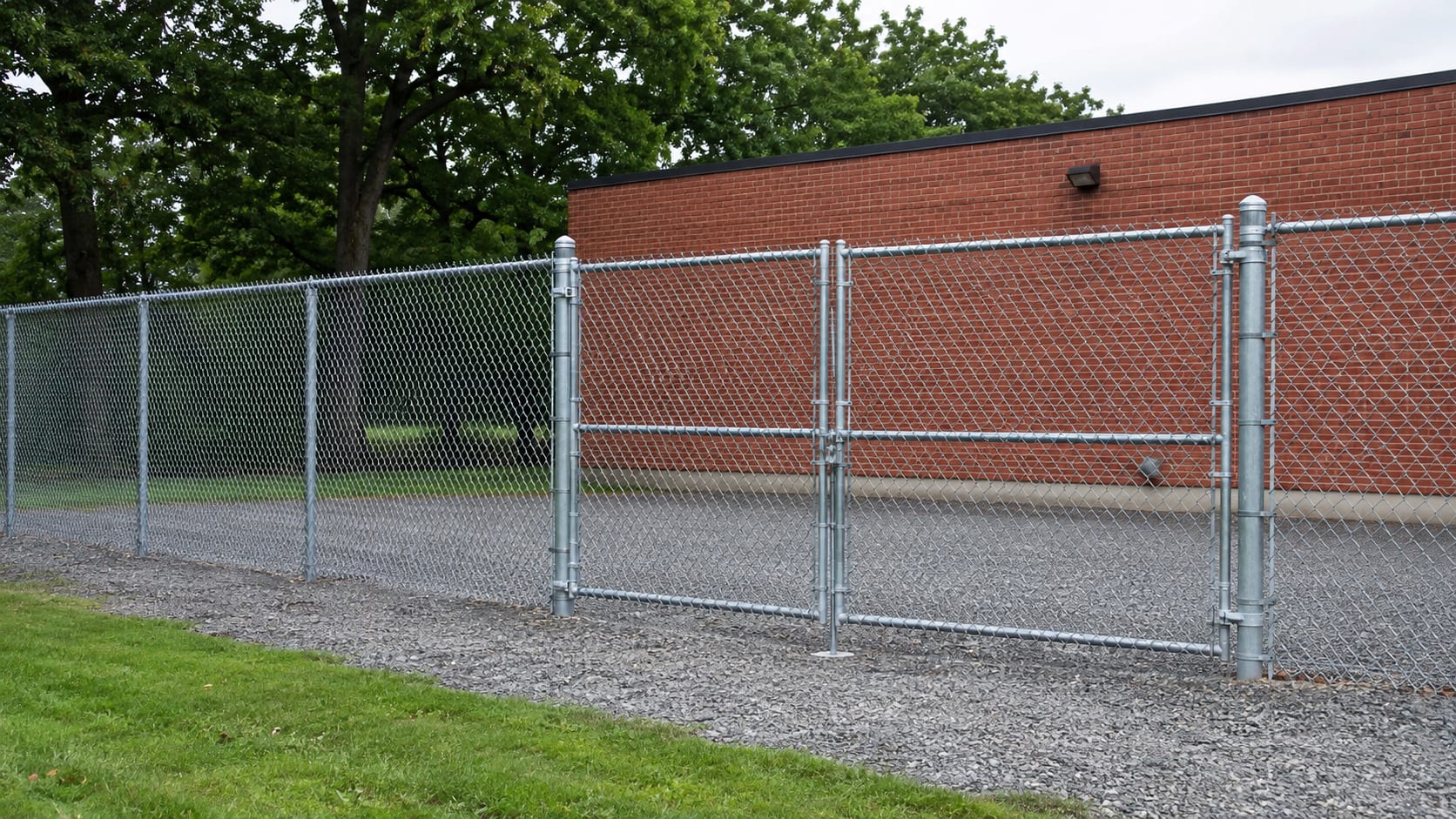
In Trumbull, a chain link fence can be 4 feet tall in a front yard and up to 6 feet elsewhere, but near a street corner the limit is 3 feet. Those height rules, plus Trumbull's permit guidance, are the first thing to check before you pick a design.
The design itself comes down to height, mesh, wire gauge and what the fence has to do, whether that is a dog yard, a pool barrier, a backyard boundary, an equipment area or commercial security. Start by confirming the fence line, checking whether the property is near a wetland or watercourse, and asking the town which review applies before ordering materials.
For a basic budget, national installed pricing for 4-foot chain link is about $10 to $20 or more per linear foot. Connecticut planning figures place the same height at approximately $19 to $28 per linear foot installed. Gates, removal, rocky excavation, slopes and privacy accessories can change the total.
Key Takeaways
Residential sizing
CLFMI recommends no larger than 2 1/8-inch mesh for 3- to 5-foot residential fences and no larger than 2-inch mesh for fences 6 feet or taller.
Wire gauge
11 1/2-gauge fabric suits many 3- to 5-foot residential fences, while 11-gauge fabric is identified for residential fences 6 feet or taller.
Trumbull height rules
Applicable front and street-side yard fences are limited to 4 feet, other fences in minimum required yards are generally limited to 6 feet, and corner visibility areas have a 3-foot limit.
Dog fencing
Chain link provides continuous containment, but height, mesh, gates and the bottom edge should match the dog’s size and behavior.
Commercial work
Security fencing, screening and changes to approved commercial plans may require Planning and Zoning review.
Cost planning
Connecticut estimates for a 4-foot fence range from $19 to $28 per linear foot, before project-specific additions.
Choosing the chain link design
The fabric is the diamond-shaped wire mesh. Its size and gauge affect strength, visibility and cost. Smaller openings make it harder to push or deform the fence, while a heavier wire resists bending better. A 9-gauge wire is heavier than 11-gauge or 11 1/2-gauge wire.
The Chain Link Fence Manufacturers Institute recommends 2 1/8-inch mesh or smaller for residential fences from 3 to 5 feet high. For fences 6 feet or taller, its residential guidance recommends mesh no larger than 2 inches. Its typical residential guidance identifies 11 1/2-gauge fabric for 3- to 5-foot fences and 11-gauge fabric for fences 6 feet or taller.
For a dog yard, smaller mesh can help prevent a small dog’s head or paws from reaching through the openings. For a commercial perimeter, heavier wire and stronger posts may be appropriate. A pool barrier has its own State Building Code requirements, so the mesh and gate should be selected as a pool safety system rather than as an ordinary backyard fence.
Hover or tap a row to highlight it.
| Mesh | Gauge | Nominal wire diameter | Typical use |
|---|---|---|---|
| 2 1/8 in. | 11 1/2 | 0.113 in. | Residential |
| 2 in. | 11 | 0.120 in. | Residential or light commercial |
| 2 in. | 9 | 0.148 in. | Residential, commercial or industrial |
| 2 in. | 6 | 0.192 in. | Commercial, industrial or security |
| 1 3/4 in. | 9 | 0.148 in. | Heavy commercial or industrial |
| 1 1/4 in. | 11 | 0.120 in. | Residential or swimming pool |
| 1 in. | 9 or 11 | 0.148 or 0.120 in. | Heavy industrial, security or industrial |
Galvanized or colored fabric
Galvanized chain link uses a zinc coating over steel. It gives you the familiar silver finish and is often selected when straightforward construction and initial cost matter most.
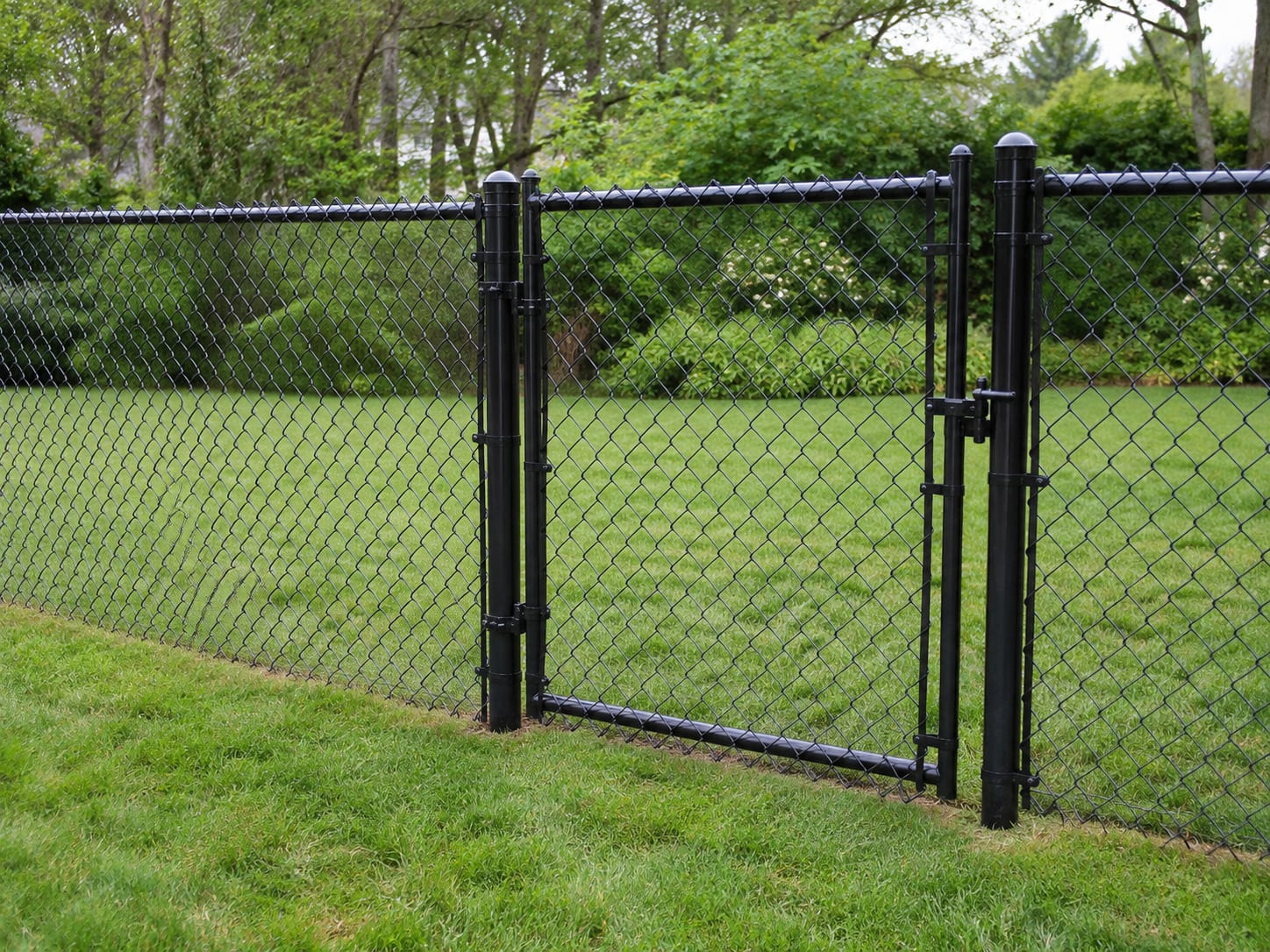
Colored chain link uses galvanized steel with a polymer coating. Black is commonly chosen because it visually recedes among trees, shrubs and other plantings. Green, brown, gray and other manufacturer colors are available. Matching posts, rails and fittings give the fence a more consistent appearance.
Compare the coating, wire gauge, mesh size, post sizes and gate hardware along with the color. A colored fence may cost more than basic galvanized chain link, so ask for both prices on the quote.
Top rail, tension wire and posts
A top rail is a continuous horizontal member along the top of the fence. It helps stiffen the line and gives the fabric a finished upper edge. Tension wire is a lower-cost reinforcing option commonly installed along the bottom or top of the fabric.
Common product sizes include 1 5/8-inch line posts, 1 7/8-inch terminal posts, 2 3/8-inch heavier posts and 1 3/8-inch top rail. The correct sizes depend on fence height, fabric gauge, gate width, wind exposure and intended use. A commercial gate or a fence with privacy screen usually needs more attention to post strength than a short residential boundary.
For more detail on material choices, see our chain link fencing product page. If the project includes a driveway gate, Gate Installation: Walk Gates, Double Gates and Driveway Gates, Step by Step explains how each gate type fits into the installation sequence.
Trumbull height, yards and permits
Trumbull’s zoning regulations place the most restrictive limits near streets and intersections. Within a triangular area extending 50 feet along the street lines from a corner intersection, a fence or similar structure may not exceed 3 feet above the road centerline elevation.
A fence in the minimum required front or side yard may not exceed 4 feet when it is closer to the street than the applicable principal-building reference point. Other fences in the minimum required yards may not exceed 6 feet.
Trumbull measures height from pre-existing grade, and fill or retaining walls cannot be used to increase the permitted fence height. The total height of a fence and wall is limited to 6 feet, although the Commission may increase height for a use subject to a special permit when buffering is needed.
These rules matter on corner lots and properties with more than one street-facing side. A 6-foot fence may fit behind the applicable front-yard planes while remaining too tall near the corner visibility area. Mark the proposed line on a sketch before selecting materials.
Trumbull’s permit guide states that a fence no higher than 4 feet in a front yard or 6 feet in a side or rear yard does not require a zoning permit. It also states that fences below 7 feet are exempt from a building permit for one- and two-family residential dwellings. Fences over 6 feet are identified as allowed only in Industrial Districts and require a zoning permit, while fences over 7 feet require a building permit.
Trumbull’s zoning regulation and permit guide word some thresholds differently, so confirm the height and review requirements with the town before work begins. The Connecticut fence permit overview gives additional state-level permit context, while Trumbull’s Building Department can be reached at 203-452-5020 or buildinginfo@trumbull-ct.gov. Planning and Zoning handles zoning questions at 203-452-5044.
Pool barriers
A private outdoor pool must comply with the Connecticut State Building Code. Pool barriers must be at least 48 inches high, openings must prevent passage of a 4-inch sphere, and chain link mesh is limited to 2 1/4 inches unless slats reduce the openings to no more than 1 3/4 inches. Gates must meet the applicable self-closing, self-latching and latch-height requirements.
A 1 1/4-inch chain link mesh can be a practical pool-fence choice, but the entire barrier must meet the code. Confirm the gate details and inspection requirements with the Building Department before installation. The state publishes the applicable Connecticut State Building Code regulations.
Barbed wire and electrical fencing
Trumbull prohibits barbed-wire and electrical fences, except for fences associated with a bona fide farm used for agricultural or dairy purposes. If your property has livestock or agricultural use, ask Planning and Zoning how the exception applies to the proposed fence.
Soil, slopes and wetlands on a Trumbull lot
Trumbull’s glacial soils and exposed rock can change how the fence is laid out and installed. Along portions of the Pequonnock River, shallow soils and rock outcrops may affect post-hole excavation and concrete placement.
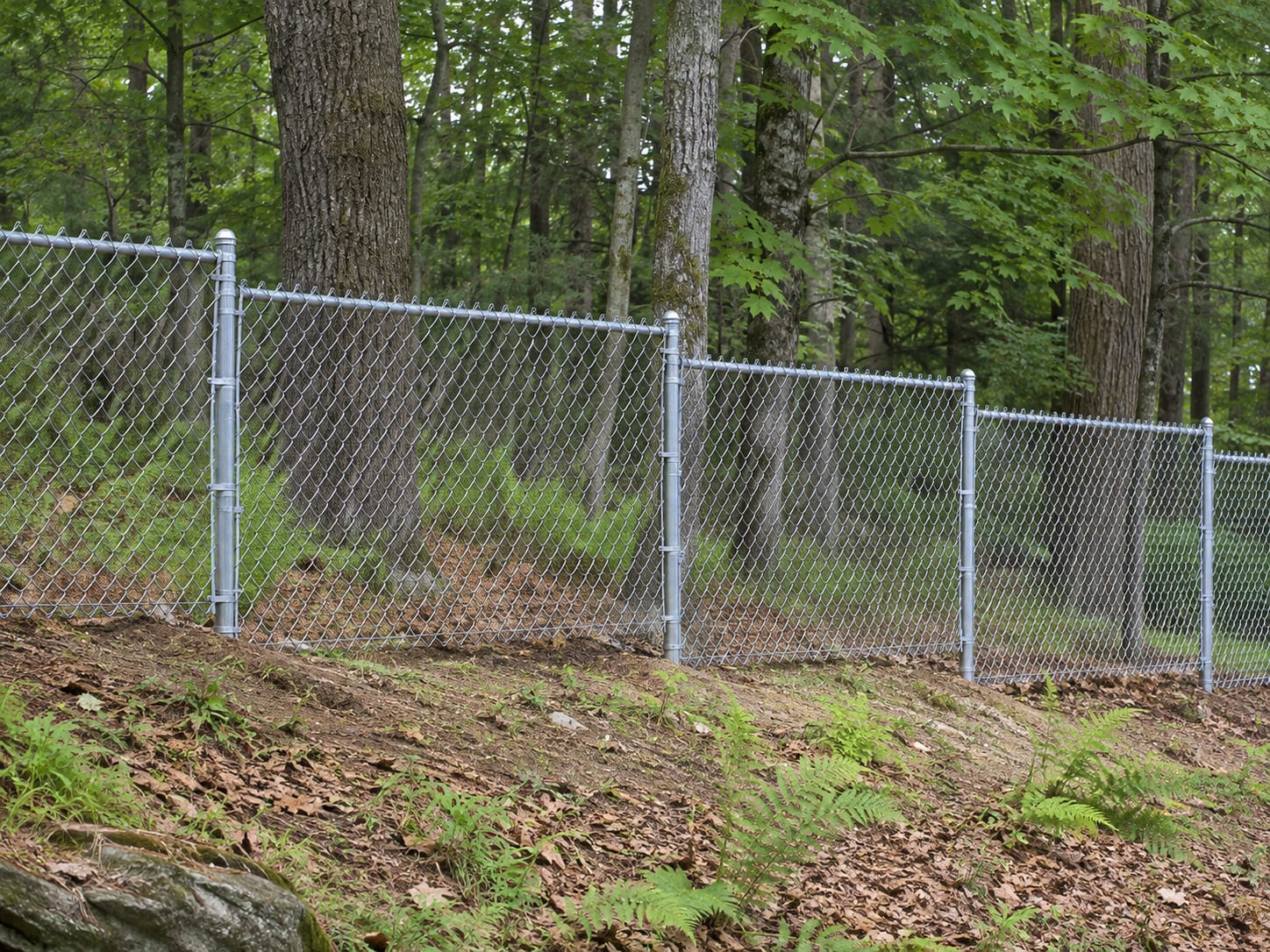
On a sloped property, the fabric may need to be stepped or racked so the bottom edge follows the grade without creating large openings. The proposed fence line should be checked for drainage, access, excess soil and any old foundation or stone wall. A contractor should identify whether posts can be placed at the planned spacing and whether equipment can reach the work area without damaging driveways, lawns or planting beds.
The USDA Web Soil Survey provides parcel-level soil information when queried for the individual property. If the fence is near the Pequonnock River, Horse Tavern Brook, a wetland or another watercourse, contact Trumbull’s Inland Wetlands and Watercourses Department before excavation. Connecticut DEEP states that the municipal inland wetlands agency determines whether a proposed activity is regulated or exempt.
Call Before You Dig requires mechanized excavators in Connecticut to notify the service at least two full days before excavation. A written fence plan should also identify utilities, easements, conservation restrictions and the surveyed property line. Place the fence from the surveyed line, since an older fence already standing there may not mark the boundary.
Chain link for homes, dogs and businesses
Trumbull’s residential neighborhoods commonly include lots around one-half acre to one acre, with smaller lots in older areas. That makes chain link useful where you need a clear boundary without blocking the entire yard from view.
For a dog yard, choose a height the dog cannot jump or climb. Use mesh that prevents the dog’s head or paws from becoming trapped, and specify a gate that closes and latches reliably. The bottom edge should be secured against digging, pushing or lifting. Large or powerful dogs may need heavier fabric, stronger posts and a more carefully supported gate.
Chain link does not provide full privacy by itself. Vertical privacy slats can provide partial or substantial screening, depending on the product. Privacy screen or windscreen fabric reduces visibility and wind but adds wind load to the fence. Smaller mesh reduces the open appearance without creating full privacy. Plantings or vines can soften the view, subject to setbacks, maintenance and visibility restrictions.
For a dog-specific discussion of mesh, gates and bottom details, read Choosing the Best Fence for Your Dog. If existing fabric is sound but posts, ties or gates need work, Chain Link Fence Repair: Bent Top Rails, Loose Fabric and Damaged Posts covers repair decisions. Slats, privacy fabric and coated mesh are covered in Chain Link Fence Privacy Options.
Commercial and industrial chain link can be used for security perimeters, trash enclosures, equipment areas, parking or loading areas, athletic facilities and screened outdoor storage. Trumbull regulations require screening in several commercial settings, including outside storage and certain automobile-related uses.
Commercial development in the B-C Commercial Zone requires site plan approval under Article II, Section 3.1.1. A fence modification may need Planning and Zoning review when it changes an approved plan, supplies required screening, affects setbacks or visibility, or accompanies new commercial development.
My Fence Guy can prepare a written scope covering the line, height, mesh, gauge, coating, posts, rails, gates, privacy features, removal, excavation, restoration and permit responsibilities.
A practical installation sequence
A clear installation plan helps keep the fence line, town review and construction work aligned.
Trumbull Chain Link Installation Steps
- 1
Confirm the line
Use a survey, deed information or other reliable property evidence to place the fence inside the correct boundary.
- 2
Check the location
Identify front-yard, side-yard, rear-yard, corner visibility, pool, wetland, watercourse, utility and commercial site-plan conditions.
- 3
Choose the materials
Set the height, mesh, gauge, coating, post sizes, top rail or tension wire, gate layout and privacy accessories.
- 4
Contact the town
Ask Building, Planning and Zoning, or Inland Wetlands and Watercourses which review or approval applies.
- 5
Call before excavation
Complete the Connecticut utility notification requirement at least two full days before digging.
- 6
Prepare the line
Remove old fencing if included, address access and grading, and mark post locations.
- 7
Set posts and fabric
Place terminal and line posts, install concrete where specified, attach rails and tension wire, and tension the fabric.
- 8
Install and check gates
Confirm swing clearance, latches, self-closing features for pool gates and final alignment.
For residential work, Connecticut’s Department of Consumer Protection requires a registered home-improvement contractor and a written contract. The contract should identify the contractor registration number, materials, price, payment schedule, start and completion dates, cleanup responsibility and responsibility for permits.
A written neighbor agreement can address the fence location, access during installation, gate use, maintenance and cost sharing. It does not replace a survey, permit or town approval.
Planning costs for a Trumbull chain link fence
The following figures are planning ranges, not quotes. Each amount keeps its unit and source.
Hover or tap a row to highlight it.
| Fence type | Installed cost | Geography and year |
|---|---|---|
| 4-foot chain link | $10 to $20 or more per linear foot | National, HomeGuide, 2025 |
| 6-foot chain link | $13 to $30 or more per linear foot | National, HomeGuide, 2025 |
| 8-foot chain link | $20 to $40 or more per linear foot | National, HomeGuide, 2025 |
| Chain link, general range | $10 to $40 per linear foot | National, 2026 |
| 4-foot chain link | $19 to $28 per linear foot | MeasureFence, Connecticut estimate, 2026 |
| 6-foot chain link | $26 to $39 per linear foot | MeasureFence, Connecticut estimate, 2026 |
| 4-foot chain link | $16.82 per linear foot, with a $14.23 to $19.40 range | ProMatcher, Connecticut average, 2026 |
For a 150-linear-foot 4-foot fence, the national HomeGuide range works out to approximately $1,500 to $3,000 or more per project. The Connecticut 2026 planning range works out to approximately $2,850 to $4,200 per project, and the Connecticut average works out to approximately $2,523 per project before project-specific additions. None of these replaces a written estimate for your property.
Gates, demolition, rocky soil, ledge, slopes, wetland review, difficult access, privacy slats, privacy screen, heavier fabric, larger posts and commercial security features can raise the total. Ask for each item to be shown separately, including linear footage, height, mesh, gauge, coating, posts, gates, excavation, removal, restoration and permit costs.
Frequently Asked Questions
How much does a 4-foot chain link fence cost?
A 4-foot chain link fence costs about $10 to $20 or more per linear foot in HomeGuide’s national 2025 estimate. Connecticut 2026 planning figures place it at approximately $19 to $28 per linear foot, while a separate Connecticut report lists an average of $16.82 per linear foot with a $14.23 to $19.40 range.
Is a black chain link fence better?
Black chain link is a good choice when you want the fence to recede visually into plantings or prefer a colored finish. It is not automatically stronger or longer lasting than galvanized chain link, so compare the coating, wire gauge, mesh, posts and gate hardware.
Is chain link fence good for dogs?
Chain link is good for many dog yards because it provides continuous containment and clear visibility. Choose the height, mesh, bottom detail and gate hardware for the dog’s size and behavior, and use heavier materials for a large or forceful dog.
Do I need a permit for a fence in Trumbull, CT?
A typical one- or two-family residential fence below 7 feet is exempt from a building permit under Trumbull’s permit guide, while fences over 6 feet require a zoning permit and are identified as allowed only in Industrial Districts. Front-yard, corner, pool, wetland, watercourse, commercial site-plan and grading conditions can require additional review, so confirm the project with Building and Planning and Zoning before work begins.
How long does a chain link fence last?
A quality chain link fence can remain serviceable for more than 20 years, and quality materials can last longer. Service life depends on wire gauge, zinc or polymer coating, posts, fittings, gates, soil moisture, drainage, exposure, installation and damage to the coating.
Chain Link Fencing in Trumbull
1. What mesh size does CLFMI recommend for a 3- to 5-foot residential fence?
2. What is the general Trumbull height limit for a fence in a minimum required front or side yard when it is closer to the street than the building reference point?
3. Which chain link color is commonly selected because it visually recedes into plantings?
4. What can privacy screen add to a chain link fence?
5. Who handles general fence-permit and construction questions in Trumbull?
Pick an answer to begin.
Final Thoughts
A good Trumbull chain link project starts with the fence line and the town rules, then moves to height, mesh, gauge, coating, posts, gates and site conditions. Check the corner visibility area, confirm whether the property is near wetlands or watercourses, and put every cost and responsibility in the written estimate.
The right fence may be an open galvanized line, a black vinyl-coated barrier, a smaller mesh dog yard or a heavier commercial enclosure. The design should match the property and the use, with the town review settled before excavation begins. Call us at (203) 746-1100 for a free estimate, or reach out through our contact page.
Chain Link Fencing Terms
Tap a term to see what it means.
Chain link fabric. The diamond-shaped wire mesh attached to the fence posts and rails.
More about fences
Chain Link Fencing in Brookfield, CT: Coated Fabric, Lake Lots and Commercial Uses
On a Candlewood Lake lot, open chain link keeps the view. Coated fabric, gauge, privacy slats, lake and commercial uses in Brookfield, CT, and national costs.
Read the guide to Chain Link Fencing in Brookfield, CTChain Link Fencing in New Milford, CT: Residential, Farm and Commercial Uses
Chain link fencing in New Milford, CT: wire gauge, mesh, privacy slats, town rules and 2026 national cost ranges for homes, farms and businesses.
Read the guide to Chain Link Fencing in New Milford, CTPet Fencing in Southbury, CT: What Actually Holds a Dog
A pet fence keeps your dog in and other animals out. Pet fencing in Southbury, CT: height, dig defense, picket spacing, and a gate a dog cannot nose open.
Read the guide to Pet Fencing in Southbury, CT