
Chain Link Fencing in New Milford, CT: Residential, Farm and Commercial Uses
By Tony Pellicone14 min readPublished
- chain link fencing
- new milford ct
- connecticut
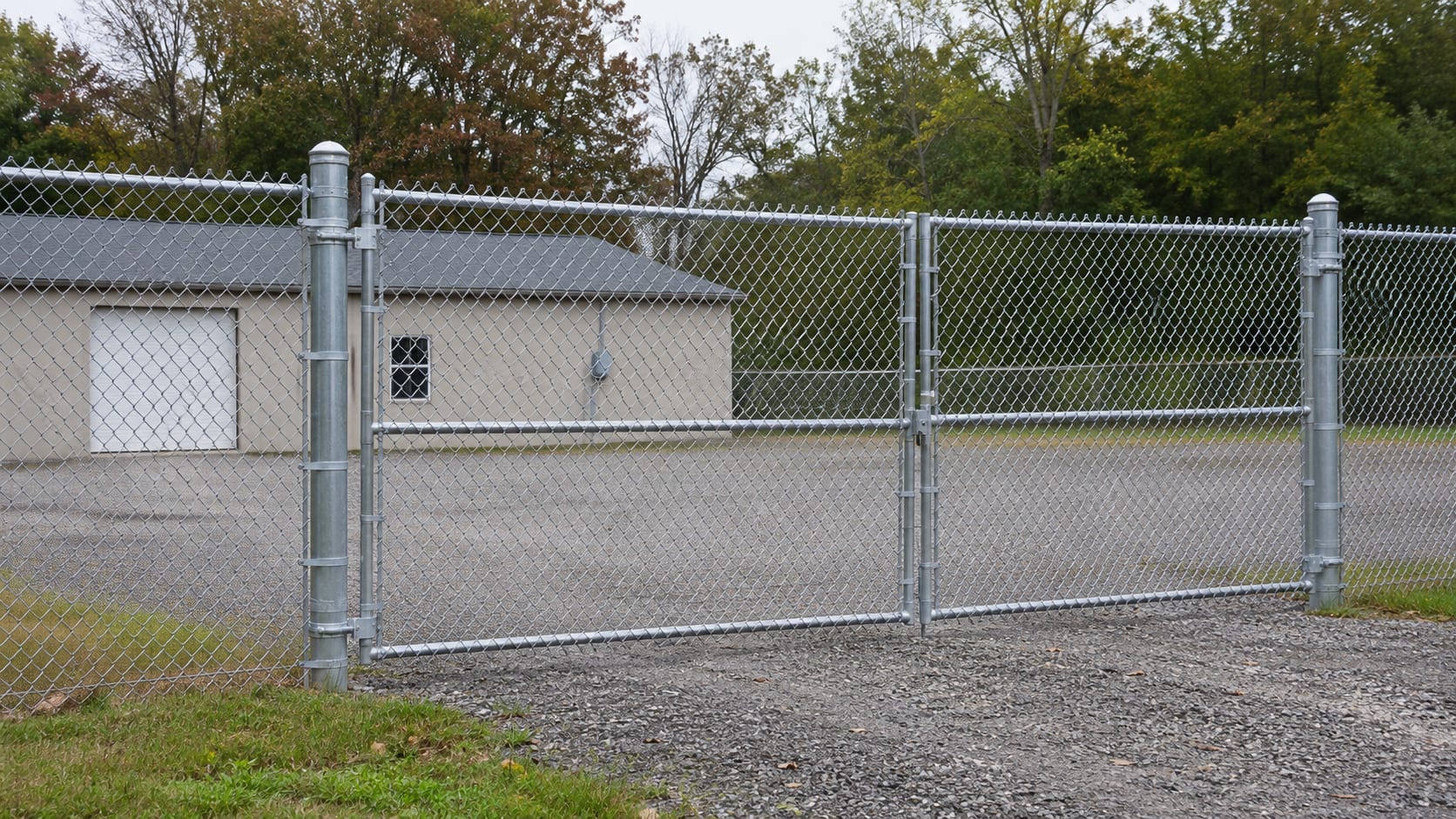
Chain link in New Milford can serve a dog yard, pool area, garden, farm enclosure, equipment yard or business perimeter, and the fence’s job decides the wire, mesh, height and posts.
Basic galvanized fabric usually costs less than a wood privacy fence, while black coating, privacy screen and heavier wire raise the price. National installed pricing in 2026 runs from $8 to $40 per linear foot, depending on height and materials.
Before you order materials, confirm the property line and ask New Milford officials which approvals apply to your fence height, location and use.
Key Takeaways
Choose by purpose
Pet, pool, farm, garden, equipment and security fences need different mesh, height and wire specifications.
Wire strength
Heavier wire has a higher break load, while smaller mesh openings improve containment and resistance to impact.
Privacy changes wind
Slats and screens reduce airflow and can require stronger posts, rails, bracing and footings.
Town rules apply
New Milford regulates residential height, corner visibility and certain commercial site changes.
Site conditions matter
Slopes, ledge, wetlands, watercourses, stone walls and utilities can change the fence layout and cost.
Price range
National 2026 installed chain link pricing ranges from $8 to $40 per linear foot, depending on height and materials.
Start with the fence’s job
Chain link works best when you need a defined boundary, controlled access or containment without blocking all visibility. A residential yard may need a 4-foot or 5-foot fence for a dog, while a pool barrier has separate height, opening and gate requirements. A farm may need tighter mesh for poultry or young animals. A commercial property may need taller fencing, heavier wire, stronger posts and controlled-access gates.
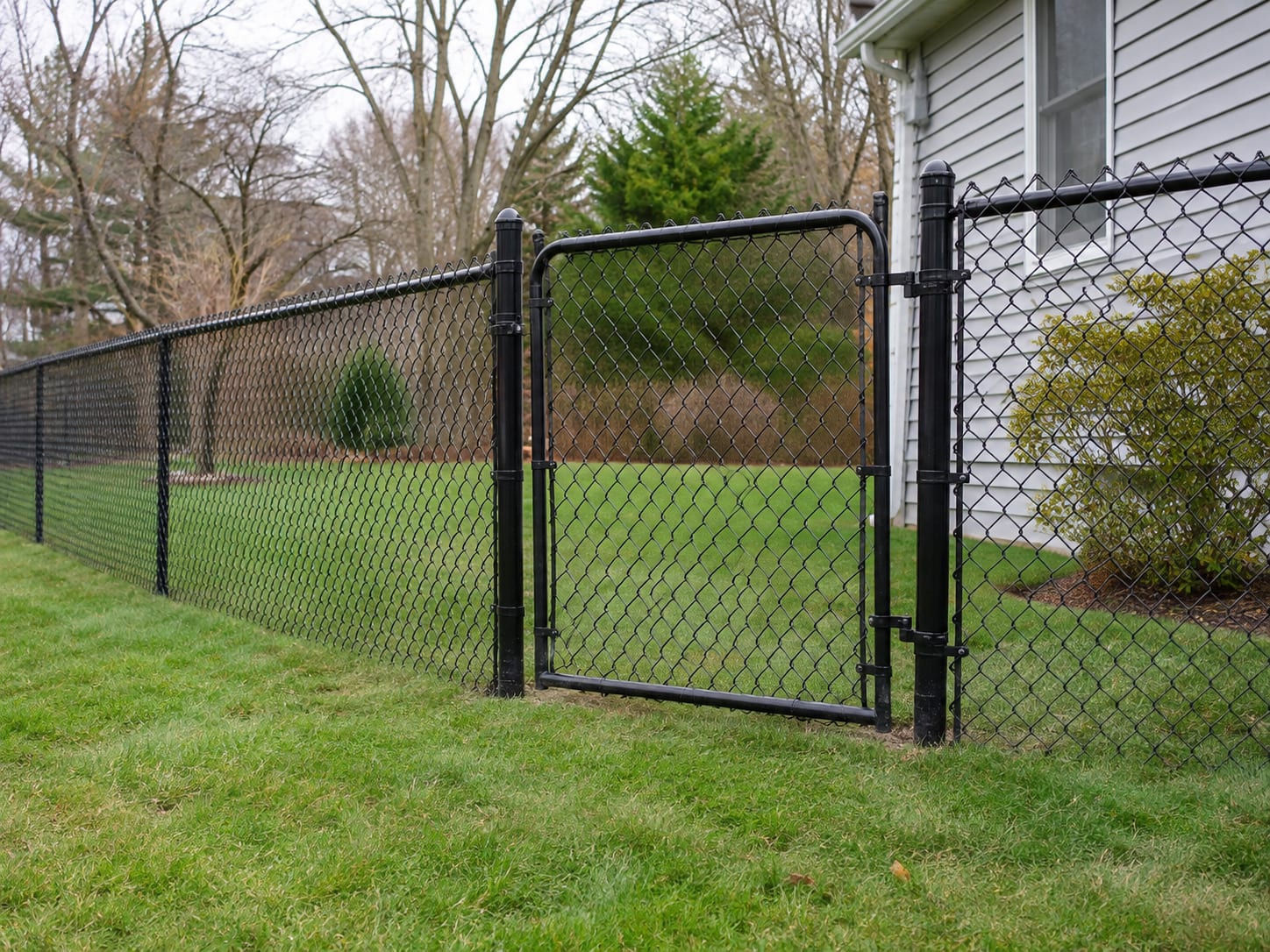
The fence should be specified as a complete assembly. That includes fabric, mesh size, wire gauge, line posts, terminal posts, top rails, braces, tension wire or bars, gates, hinges, latches and footings. Privacy slats and screen should be included in the design from the beginning because they change wind exposure.
You can compare appearance and use on the chain link fencing product page, but the written quote should identify the actual materials. “Chain link” alone says nothing about strength, coating, mesh opening or post size.
Wire gauge and mesh opening
Wire gauge works backward from what many people expect. A lower gauge number means thicker wire. CLFMI lists 6 gauge wire at 0.192 inch in diameter with an approximate 2,170-pound wire break load. Its 9 gauge wire measures 0.148 inch and has an approximate 1,290-pound break load.
Eleven gauge wire measures 0.120 inch with an approximate 850-pound break load, while 12 gauge polymer-coated core wire measures 0.105 inch with an approximate 650-pound break load.
Common mesh openings include 2 inches, 1-3/4 inches, 1-1/4 inches, 1 inch, 5/8 inch, 1/2 inch and 3/8 inch. Smaller openings make it harder for smaller animals to pass through and can provide more resistance to impact or forced entry. They also use more material and can cost more.
Hover or tap a row to highlight it.
| Wire specification | Diameter | Approximate break load |
|---|---|---|
| 6 gauge | 0.192 inch | 2,170 pounds |
| 9 gauge | 0.148 inch | 1,290 pounds |
| 11 gauge | 0.120 inch | 850 pounds |
| 12 gauge polymer-coated core | 0.105 inch | 650 pounds |
A residential yard often uses 2-inch mesh with lighter residential-grade wire and support materials. That may be suitable for a typical boundary or dog yard, but it will not fit every dog, animal or site. A determined dog, small animal, poultry flock or young livestock may call for a smaller opening.
CLFMI identifies galvanized fabric under ASTM A392, polymer-coated fabric under ASTM F668, colored polymer coating under ASTM F934, and steel support materials under ASTM F1043 and ASTM F1083. Those references help identify what you are buying when a quote includes a material standard.
Post sizes and fence height
Height, wind exposure, mesh, privacy attachments, post spacing and soil all affect post selection. CLFMI’s example post table uses 2-inch, 9-gauge mesh at a 105-mph wind speed. Its minimum round line-post diameters increase as the fence gets taller.
Hover or tap a row to highlight it.
| Fence height | Minimum example line-post diameter |
|---|---|
| Up to 6 feet | 1.900 inches |
| More than 6 feet to 8 feet | 2.375 inches |
| More than 8 feet to 10 feet | 2.875 inches |
| More than 10 feet to 12 feet | 3.500 inches |
Terminal posts are generally one size larger than line posts. These figures are examples from CLFMI’s specification material and will vary by New Milford property. A taller fence, a solid privacy attachment, an exposed lot or a difficult soil condition can change the post and footing design.
Appearance, privacy and wind
Standard galvanized chain link has a silver-gray appearance and allows substantial airflow. It may suit a side yard, farm enclosure, equipment area or service yard where visibility and ventilation matter.
Polymer-coated fabric is available in black, dark green, olive green and brown. Matching coated posts, rails and fittings create a more uniform appearance. CLFMI describes polymer-coated support materials as coating fused and adhered to galvanized steel, with the color matched to the fabric.
Black chain link can blend more quietly with trees, planting and darker buildings than galvanized fabric. Its strength comes from the core wire, mesh, support materials, gates, footings and installation, and the color adds none. Coated fabric usually costs more than basic galvanized fabric.
Slats, screen and planting
Privacy slats weave vertically through the mesh and reduce the open appearance. A privacy screen or windscreen fabric attaches to the mesh and can create a more solid visual barrier. Smaller mesh openings also make a fence look less open and can improve containment.
A standard chain link fence lets wind pass through. Slats and screen reduce that airflow, increasing the effective wind area. The result can be greater pressure on the fabric, rails, posts and footings. Depending on the height and exposure, the design may need stronger posts, closer post spacing, heavier rails, more bracing or different footing work.
If you are considering slats, review the existing fence before adding them. The guide to chain link fence privacy options: slats, fabric and coated mesh explains the practical questions that come before attaching a solid or semi-solid privacy material.
Vines and decorative planting can soften the view, but growth adds weight and can catch wind. Planting should be compatible with the fence, the property line and the maintenance plan.
Residential, farm and commercial uses in New Milford
Chain link can serve several different purposes on New Milford properties, but the material should follow the use.
Residential yards, pets and pools
For a residential yard, begin with the animal or boundary goal. A dog fence may need a height and mesh that prevent climbing, squeezing or digging. A garden fence may need smaller openings where rabbits or other small animals are a concern. A boundary fence may prioritize appearance and cost.
Pool fencing is a separate category. Under the 2022 Connecticut State Building Code, an outdoor pool, spa or hot tub generally requires a barrier at least 48 inches high, openings that do not allow passage of a 4-inch sphere, and controlled gates. Chain link pool barriers also have mesh-opening requirements. The code has special provisions for pools near lakes and other natural water bodies, as well as approved natural barriers.
New Milford zoning places a swimming pool or hot tub with an associated deck in a rear yard at least 20 feet from property lines unless the applicable zone has a less restrictive setback. That zoning provision works alongside the state building-code pool-barrier rules, so confirm both with the town before work begins. A related next step is How Much Does a Pool Fence Cost in Connecticut? if the fence is part of a pool project.
Farms and rural parcels
New Milford’s zoning regulations recognize agricultural activities and agritourism, including farm brewery, farm winery and farm distillery uses in Section 025-120. Chain link may be used for animal containment, garden protection, equipment areas, driveway gates and separation between farm operations and residential or public areas.
The animal determines much of the specification. Poultry, pets and young animals may require smaller mesh than a large-animal enclosure. Exposure, impact, gate use and the length of the run also affect the wire and support materials. Chain link will not suit every livestock application.
Deer pressure can also change the answer for gardens and plantings. If the goal is to keep deer out rather than contain a dog or mark a boundary, height and layout need separate consideration. See Deer Fencing in New Fairfield, CT: Height, Town Rules and What Works for related planning questions.
Commercial and industrial properties
For businesses near Route 7 and other commercial or industrial properties, chain link can define a perimeter, control access, enclose equipment or outdoor storage, separate loading areas and protect utility or service areas.
New Milford’s Industrial/Commercial Zone provisions in Sections 060-010 and 060-020 subject many nonresidential uses to site-plan and landscaping-plan approval under Chapters 130 and 175. A fence replacement or new installation should be presented to the Zoning Enforcement Officer when it could change an approved site plan, screening, access, drainage or parking layout.
A commercial fence needs more than a fabric choice. Gates, vehicle clearance, latch hardware, delivery access, post spacing, visibility at driveways and any privacy screen should be shown on the proposed layout.
New Milford site conditions can change the installation
A chain link fence follows the ground, but it does not always follow it in a straight line. On a slope, the fabric may be stepped between posts or racked to follow the grade. Gates need enough clearance to open without dragging, and post elevations may change along the run.
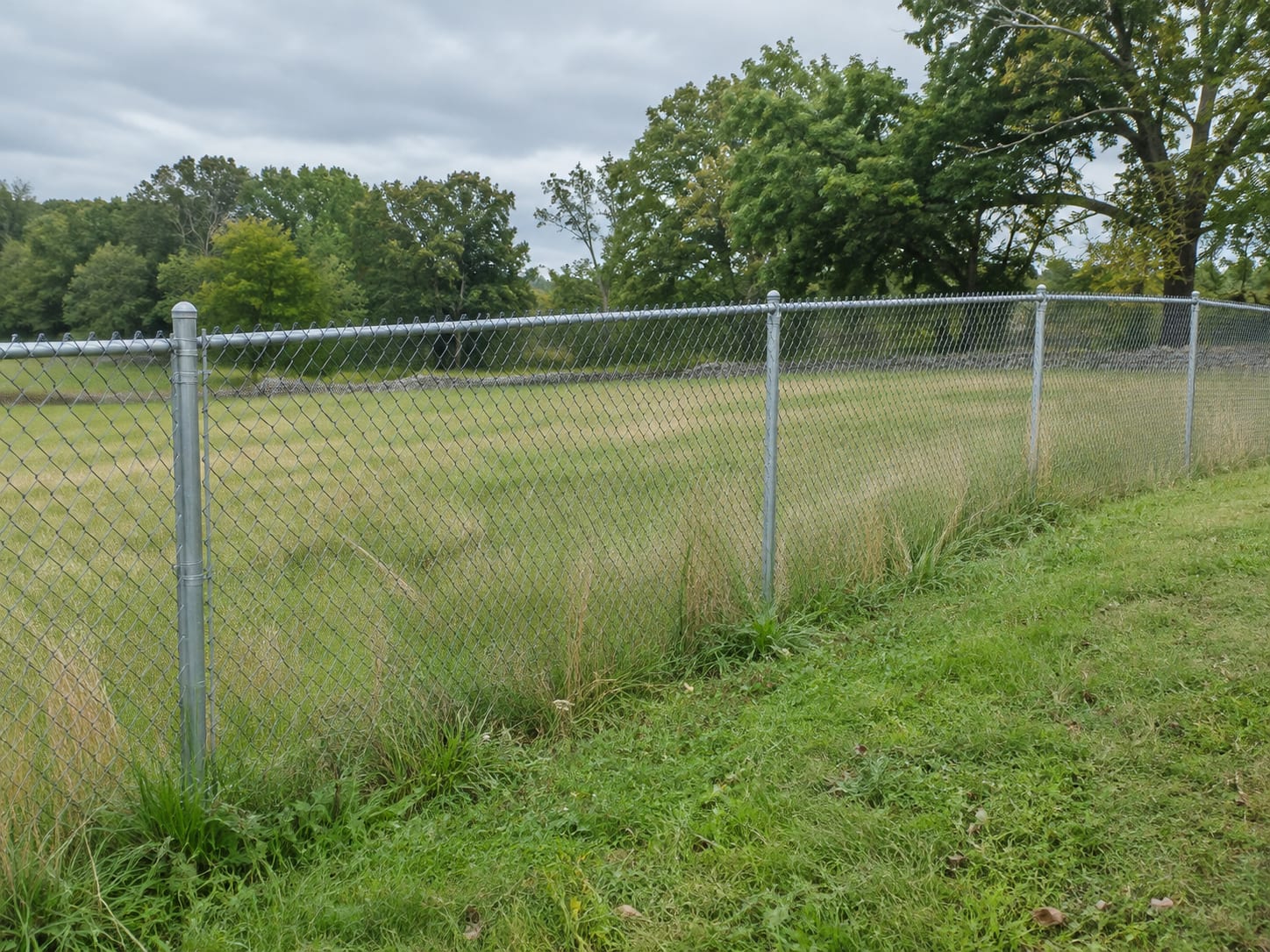
Ledge or shallow bedrock can limit post-hole depth. The layout may need adjustment, specialized excavation or an engineered solution. Rocky soil can also affect production time and the footing approach.
Wetlands and watercourses can restrict disturbance and require municipal inland-wetlands review. Properties near Candlewood Lake, the Housatonic River, Rocky River or another watercourse may involve wetlands, flood hazards, shoreline matters or drainage concerns. Connecticut law requires a municipal inland-wetlands permit before an activity likely to impact or affect a wetland or watercourse. The New Milford inland wetlands information page provides local permit information and mapping.
Historic-area or landmark properties may have additional design review. Confirm the parcel’s status with New Milford zoning staff before selecting a visible fence style.
The USDA Natural Resources Conservation Service identifies Web Soil Survey as the authoritative current soil-survey source. Soil mapping is regional, so the installer should still evaluate the actual soil, slope, ledge and drainage before the fence is finalized.
A fence line also needs to respect old stone walls, driveways, utilities, drainage features and the actual property boundary. Use a survey or other reliable boundary information when the location matters, in place of an old fence, hedge, stone wall or informal understanding.
Rules, permits and the order of a proper installation
New Milford’s fence rules are local rules, not statewide Connecticut rules. Section 020-030(1) treats either street front as subject to front-yard requirements on a corner lot. The Zoning Commission or Zoning Enforcement Officer determines which street frontage is treated as the front yard based on access, building orientation and prior zoning treatment.
Section 020-030(2) prohibits a fence, wall, hedge, shrub, structure, growth or other obstruction that interferes with drivers’ lines of sight. Section 025-110(C) states that fences cannot be placed in a way that inhibits sight lines or affects traffic safety. The same section prohibits residential-zone fences over 8 feet high and prohibits razor wire and similar hazardous fencing in residential zones.
The town may also require review for a pool barrier, wetland activity, commercial site change or modification to an approved site plan. Start with the property address, zoning district if known, fence height, location, proposed use, corner-lot status, pool status, wetlands proximity and commercial use.
For statewide permit background, see Do You Need a Permit for Fence Installation in CT?. For New Milford-specific planning, the earlier fence permits in New Milford, CT guide is the next useful reference.
A practical pre-installation sequence
Before Chain Link Installation
- 1
Confirm the boundary
Use a survey, plot plan or other reliable property information before setting the fence line.
- 2
Ask New Milford
Provide the address, zoning district, height, location, use, gates and site conditions, then ask about zoning, building, wetlands, pool and site-plan review.
- 3
Call before digging
Connecticut Call Before You Dig requires notice at least two full working days before power-operated excavation, excluding weekends and holidays.
- 4
Set the specification
Put the gauge, mesh, coating, post diameters, spacing, rails, gates, privacy attachments and footing approach in writing.
- 5
Review the ground
Account for slope, ledge, drainage, wetlands, stone walls, utilities and access before ordering materials.
- 6
Install and inspect
Set posts, attach fabric and gates, check clearances, and complete any required town inspection or approval.
Connecticut’s Department of Consumer Protection says residential home-improvement contracts must be written, signed and dated, with the contractor registration number, work dates, price, materials, permits and payment schedule. Changes should also be written down.
My Fence Guy can prepare a written quote that spells out the height, mesh, wire, coating, posts and gates, so two estimates compare fairly.
What chain link costs in New Milford
The figures below are national 2026 pricing, not New Milford quotes. Angi reported installed chain link pricing from $8 to $40 per linear foot, including labor and materials. Height, wire, coating, gates, privacy materials, soil and access all affect the final price.
Hover or tap a row to highlight it.
| Fence height | National installed range |
|---|---|
| 4 feet | $8 to $20 per linear foot |
| 5 feet | $9 to $22 per linear foot |
| 6 feet | $10 to $29 per linear foot |
| 8 feet | $12 to $34 per linear foot |
| 10 feet | $17 to $40 per linear foot |
Angi reported a national average installed project cost of $2,420 per project, with most homeowners paying $1,297 to $3,588 per project. HomeGuide reported a national installed range of $10 to $40 per linear foot in 2026.
For 100 linear feet, those Angi ranges work out to approximately $800 to $2,000 for a 4-foot fence, $900 to $2,200 for a 5-foot fence, $1,000 to $2,900 for a 6-foot fence, $1,200 to $3,400 for an 8-foot fence, and $1,700 to $4,000 for a 10-foot fence. These are national calculations using per-linear-foot pricing.
A New Milford quote can rise with gates, privacy slats, screen, coated fabric, heavier wire, larger posts, removal, ledge, slopes, survey work, permits, restricted access and difficult soil. The quote should keep each cost tied to its unit, such as per linear foot, per gate or per project.
Frequently Asked Questions
How much would a 100-foot chain link fence cost?
A 100-foot chain link fence costs approximately $800 to $2,000 for 4 feet, $900 to $2,200 for 5 feet, $1,000 to $2,900 for 6 feet, $1,200 to $3,400 for 8 feet, or $1,700 to $4,000 for 10 feet using Angi’s national 2026 installed ranges. Gates, privacy materials, coated finishes, ledge, slopes, removal and permits can raise the project total.
Is chain link cheaper than wood?
Standard galvanized chain link is generally less expensive than many installed wood fence styles. National 2026 chain link figures range from $8 to $40 per linear foot in Angi’s data and $10 to $40 per linear foot in HomeGuide’s data, while coating, heavier wire, gates and privacy additions can narrow the price difference.
What are the downsides of chain link fences?
The main downsides are limited privacy, a utilitarian appearance, possible climbing, exposed damage or corrosion at damaged areas, and added wind load when slats or screen are installed. Slopes, ledge, wetlands, restricted access and pool-barrier requirements can also make the project more involved.
Is a black chain link fence better?
Black chain link is better when you prefer a darker appearance that blends with planting or buildings, though the color adds no strength. The core wire, mesh, posts, rails, gates, coating and installation determine performance, and black polymer coating usually costs more than basic galvanized fabric.
Does a chain link fence decrease property value?
A chain link fence does not automatically decrease property value. Its effect depends on condition, placement, visibility, purpose, neighborhood expectations and compliance with New Milford rules. A maintained fence that provides pet containment, pool safety, garden protection or security may be useful, while a leaning, damaged or poorly placed fence may be viewed negatively.
Chain Link Fence Planning Check
1. Which wire has the highest approximate break load?
2. What can privacy screen do to a chain link fence?
3. What residential fence height does New Milford prohibit above in residential zones?
4. What should you do before power-operated excavation in Connecticut?
5. Which condition can limit post-hole depth?
Pick an answer to begin.
Final Thoughts
The best chain link fence for your New Milford property starts with its job. Select the mesh and wire for the animal, security or containment need, then match the posts, gates and footings to the height, wind exposure and ground conditions. Confirm zoning, pool, wetlands and commercial review before excavation, and put the complete material and cost details in writing.
Galvanized and coated finishes, privacy materials, slopes, ledge, gates and access all belong in the written scope. Call us at (203) 746-1100 for a free estimate, or reach out through our contact page.
Chain Link Fence Terms
Tap a term to see what it means.
Chain link fabric. The woven wire mesh forming the main fence surface.
More about fences
Chain Link Fencing in Brookfield, CT: Coated Fabric, Lake Lots and Commercial Uses
On a Candlewood Lake lot, open chain link keeps the view. Coated fabric, gauge, privacy slats, lake and commercial uses in Brookfield, CT, and national costs.
Read the guide to Chain Link Fencing in Brookfield, CTChain Link Fencing in Trumbull, CT: Residential Yards, Dogs and Commercial Lots
Trumbull limits chain link to 4 feet in front yards, 6 feet elsewhere and 3 feet near corners. Mesh, coatings, dog yards, pool barriers and Connecticut costs.
Read the guide to Chain Link Fencing in Trumbull, CTAluminum Fencing in New Milford, CT: What Holds Up on Riverfront and Hillside Lots
Rackable or stepped aluminum fencing for New Milford hillsides, the 8-foot residential limit, river and lake review, and 2026 national cost ranges.
Read the guide to Aluminum Fencing in New Milford, CT