
Fence Permits in New Milford, CT: Height Limits, Zoning and Who to Call
By Tony Pellicone11 min readPublished
- fence permits
- zoning
- new milford ct
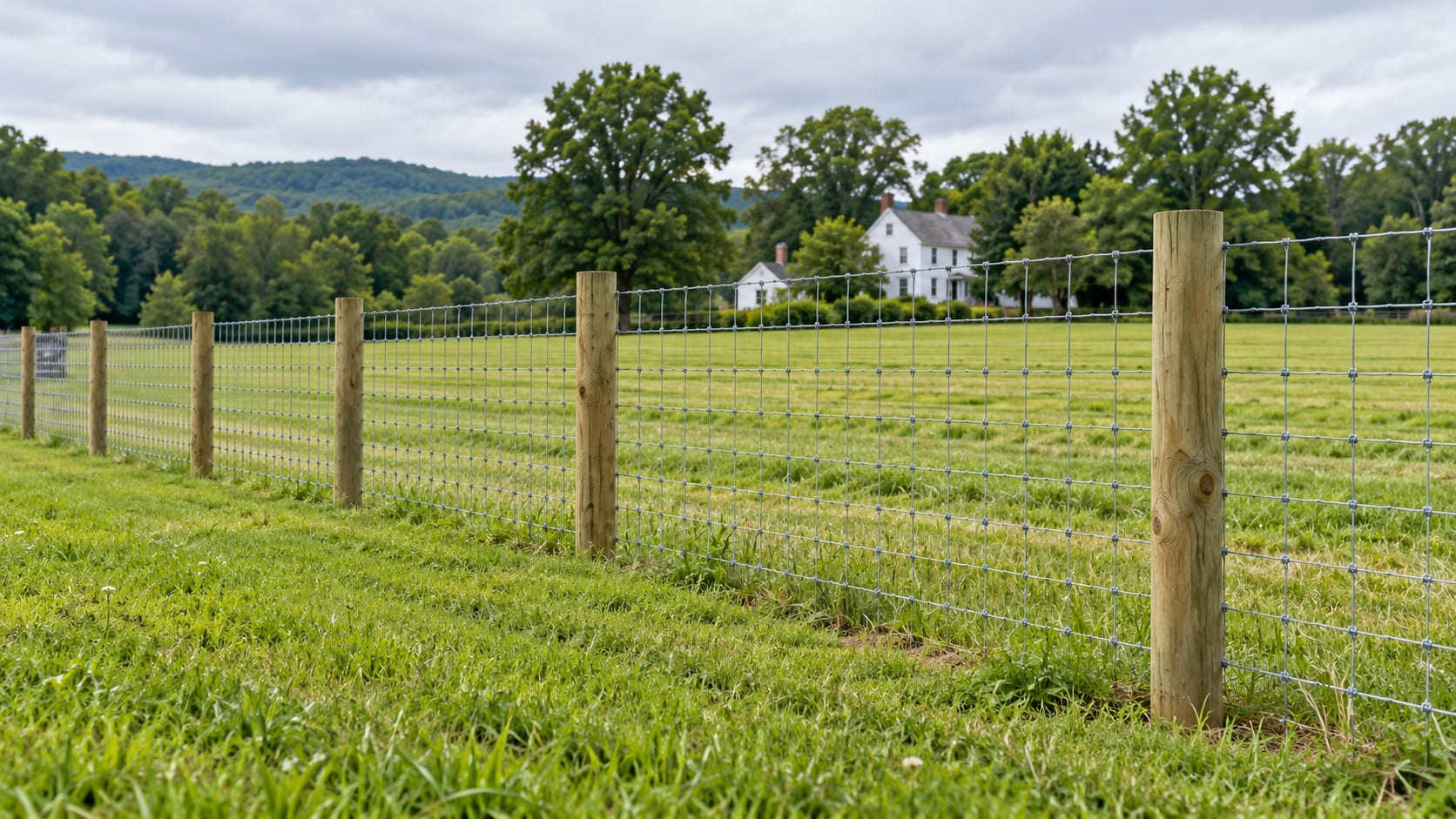
Zoning is the first call for a New Milford fence, because height, placement, and corner-lot visibility depend on the property, its zoning district, and its yard location. Contact Building about State Building Code permits, and contact Inland Wetlands when the fence involves regulated wetlands, watercourses, Candlewood Lake, or related ground disturbance.
New Milford’s zoning regulations use required yards and sight-distance rules rather than one townwide height table for every front, side, and rear yard. Before ordering materials, prepare a survey or plot plan, proposed height, material, fence length, gate locations, and distances to property lines. Then ask the correct town office to confirm the approvals for your address.
Key Takeaways
First contact
Call New Milford Zoning about the fence location, height, yard, zoning district, and corner-lot visibility.
Building review
Ask the Building Department whether the fence or related work requires a State Building Code permit.
Pool barriers
Pool fences must meet Connecticut State Building Code barrier rules, including a 48-inch minimum height.
Site conditions
Wetlands, watercourses, Candlewood Lake, flood zones, and protected areas can add review.
Application materials
New Milford requires an online zoning application, survey or plot plan, dimensions, and property-line distances.
Contractor quote
Put permit applications, fees, utility marking, inspections, gates, cleanup, and restoration in writing.
Start With New Milford Zoning
The New Milford Zoning Department is the first call for ordinary fence questions. Zoning handles required yards, corner-lot visibility, zoning districts, fence height, fence placement, and zoning permits.
The office is at Town Hall, lower level, 10 Main Street, New Milford, CT 06776. You can call 860-355-6095 or email zoning@newmilfordct.gov. New Milford directs applicants to its online permitting system for zoning applications.
The town’s zoning-permit checklist requires an online application and an uploaded survey or plot plan. The plan must show the proposed structure, its dimensions, and the distances from the proposed structure to all property lines. Allow at least five business days for zoning review.
The New Milford Zoning Regulations, amended in 2024, state that fences are permitted in or along the edge of a required yard unless another provision applies. That permission still works alongside the applicable zoning district, front-yard designation, corner-lot sight distance, road frontage, and special district rules.
On a corner lot, front-yard requirements apply to either street frontage. The Zoning Commission or Zoning Enforcement Officer determines which street frontage is treated as the front yard. A fence, wall, hedge, shrub, structure, growth, or other obstruction cannot interfere with the line of sight for drivers traveling on the roadways. Appendix F, Stopping Sight Distance, is used when sight lines are reviewed.
Height and Setback Depend on the Parcel
New Milford decides fence height parcel by parcel. Ask Zoning to confirm the permitted height for your address, yard location, zoning district, and road frontage.
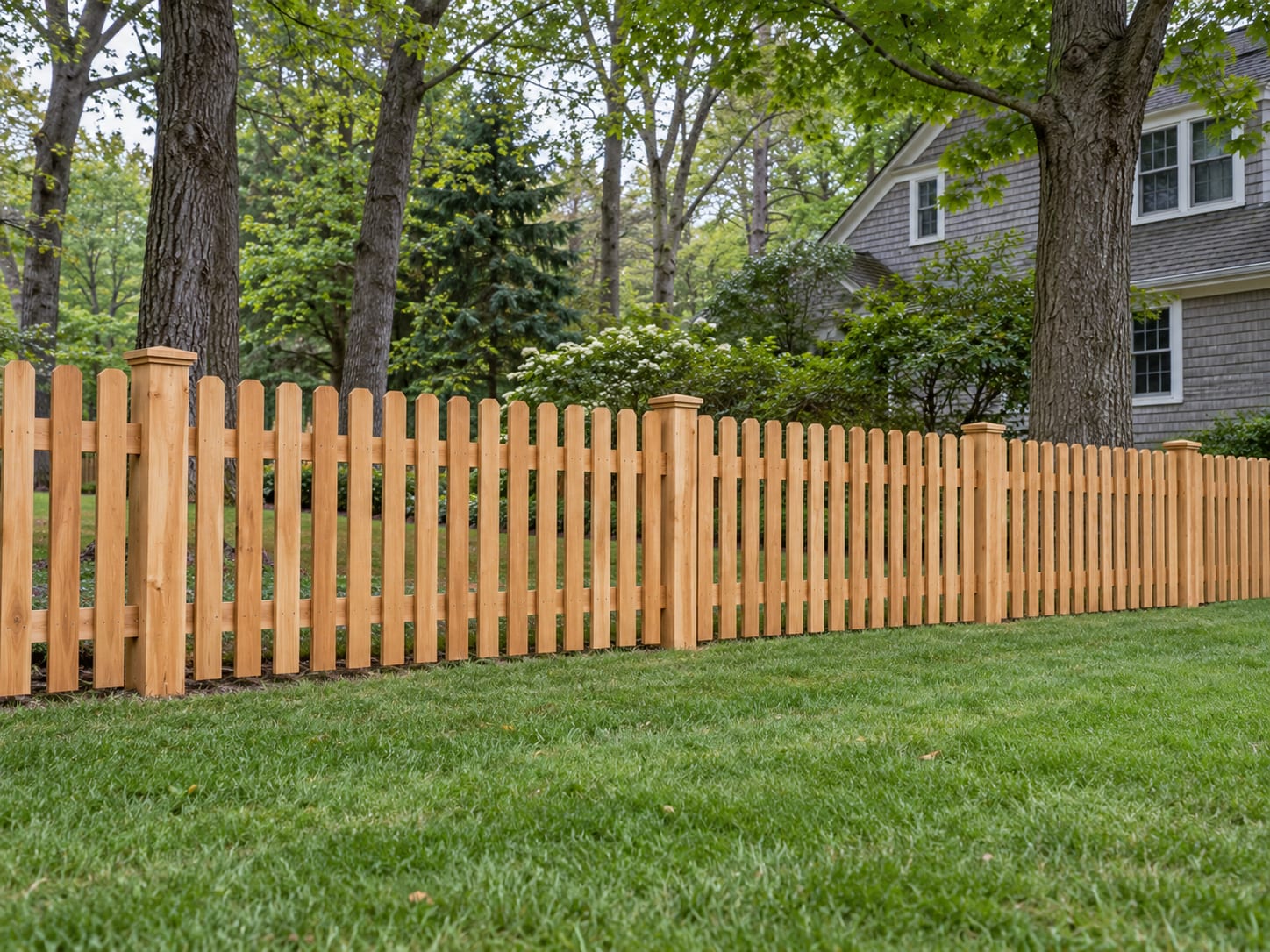
The regulations identify minimum side-yard widths by district. Those widths are 50 feet in R-80 and R-60 districts, 30 feet in R-40, 25 feet in R-20 and business, industrial, and multiple-residence districts, and 10 feet in R-8, R-8-2, and R-5 districts.
These yard widths help define the zoning review, but they are not a substitute for a parcel-specific fence decision. Your proposed fence should be shown on the survey or plot plan with its distance from each property line and its relationship to the road.
Hover or tap a row to highlight it.
| Zoning district | Minimum side-yard width |
|---|---|
| R-80 and R-60 | 50 feet |
| R-40 | 30 feet |
| R-20, business, industrial, and multiple-residence districts | 25 feet |
| R-8, R-8-2, and R-5 | 10 feet |
A fence near a driveway or road needs a sight-line review, especially on a corner lot. A fence near an old stone wall or a property boundary also deserves careful layout. The wall may not mark the legal property line, and placing posts on the wrong side can create a dispute even when the fence itself meets zoning requirements. If the boundary is uncertain, ask a land surveyor to locate it before installation.
For more Connecticut background on property-line placement, see Building a Fence on the Property Line in Connecticut: Setbacks, Surveys and Neighbors. For front-yard questions in other Connecticut towns, Can You Put a Fence in Your Front Yard in Connecticut? explains why the local zoning office still needs to confirm the parcel.
Building Permits, Fees, and Pool Barriers
The New Milford Building Department handles Connecticut State Building Code permits and inspections. You can call 860-355-6090 or email building@newmilfordct.gov. Permits are submitted through the town’s online services link.
New Milford’s building-permit ordinance requires a permit for all new construction, including swimming pools, and for alterations, installations, renovations, and renewals to existing buildings and structures. The application must describe the work and its value before construction begins. Starting work before a required permit can lead to a notice of violation, stop-work order, and financial penalties.
For ordinary fencing, send the Building Department the property address, fence height, material, length, location, and plot plan. Ask whether a building permit is required and request the current fee calculation before materials are ordered. A contractor’s proposal should state who submits applications, who pays fees, and who schedules inspections.
New Milford’s published Building Fees document says that project valuation includes materials and labor. It lists a state education fee of $0.26 per $1,000 of value and includes a $25 line item in the fee schedule. Confirm the current calculation with Building because the fee depends on the work submitted.
A pool barrier has a separate State Building Code role. Connecticut code materials require a barrier at least 48 inches high, limit openings so a 4-inch sphere cannot pass through, and regulate gates and climbable features. The 48-inch pool-barrier requirement is not a general height rule for every fence in New Milford.
If you are planning a pool enclosure, review Connecticut Pool Fence Requirements: Height, Gates and Permits and Does an Above-Ground Pool Need a Fence in Connecticut?. A suitable pool fencing system still needs to be placed and built for the specific pool, yard, gate, and code requirements.
New Milford Fence Review Process
- 1
Confirm the site
Identify the address, zoning district, proposed fence location, height, material, road frontage, and nearby environmental features.
- 2
Prepare the plan
Upload an online zoning application with a survey or plot plan showing dimensions and distances to all property lines.
- 3
Contact Zoning
Ask about yard location, corner-lot sight distance, height, placement, zoning approval, and protected districts.
- 4
Contact Building
Ask whether a State Building Code permit, fee, or inspection applies to the fence or related work.
- 5
Contact Inland Wetlands
Ask about review when the project is near wetlands, watercourses, Candlewood Lake, or regulated ground disturbance.
- 6
Build after approvals
Mark utilities, confirm the layout, install posts and panels, complete gates, and schedule required inspections.
Wetlands, Watercourses, Lakes, and Flood Zones
A fence can involve more than ordinary zoning when installation disturbs soil or places a structure near regulated water resources. New Milford Inland Wetlands can be reached at 860-355-6083 or inlandwetlands@newmilfordct.gov.
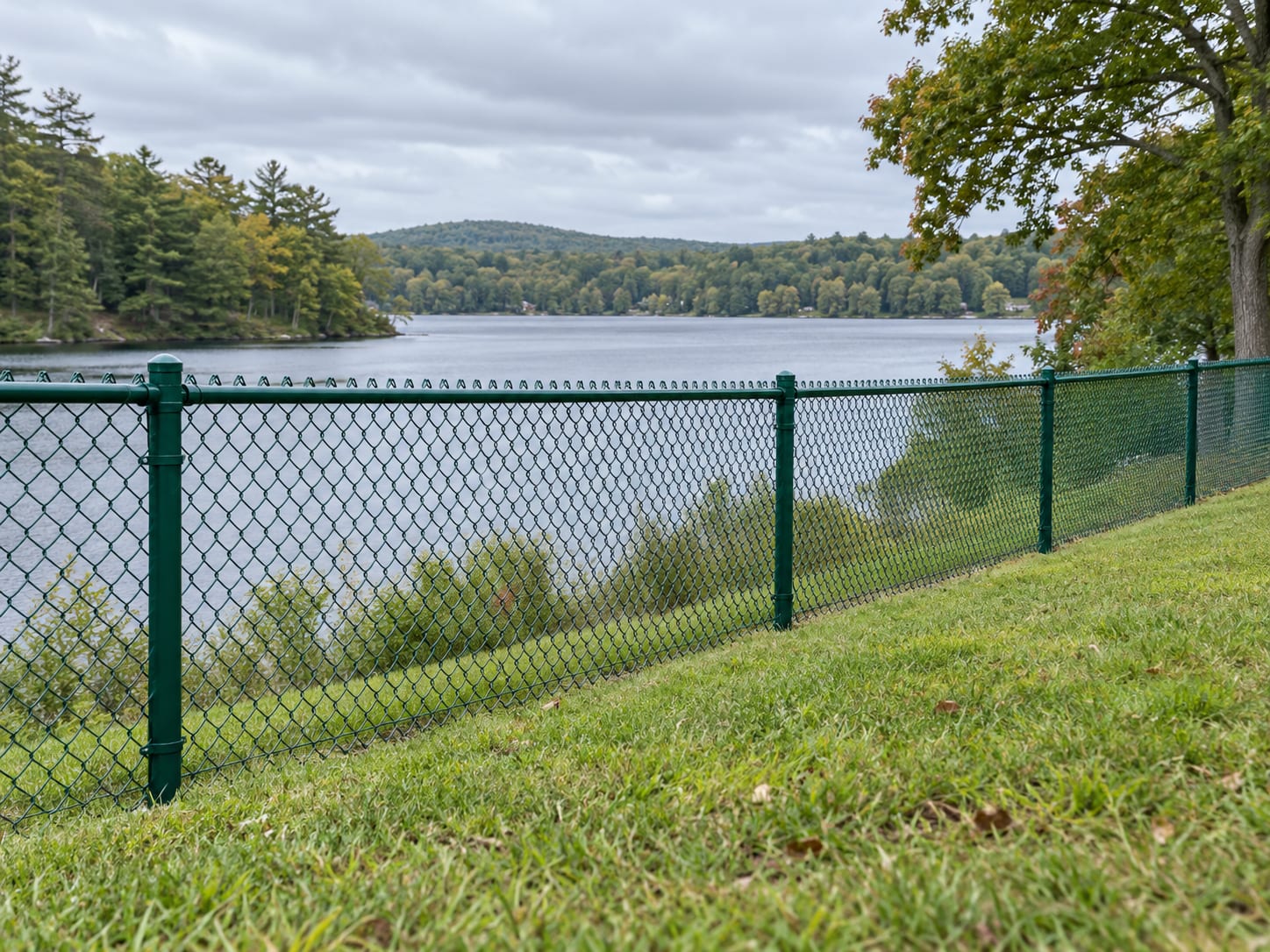
New Milford identifies many activities within 200 feet of Candlewood Lake, the East or West Aspetuck River, the Still River, the Housatonic River, and watercourses within the West Aspetuck River watershed as activities that may require a permit. Many activities within 100 feet of other wetlands or watercourses may also require review. The town lists ground disturbance and installing a structure among potentially regulated activities.
The town’s wetland information identifies a 200-foot review area around Candlewood Lake and recommends contacting FirstLight Power Resources for work proposed on or around the lake. If your fence line crosses a wet area, slopes toward a stream, or requires equipment access through sensitive ground, ask Inland Wetlands before digging post holes.
Chapter 120 of the zoning regulations contains Floodplain Management Regulations. Section 120-060 requires the Zoning Enforcement Officer to determine that floodplain requirements have been satisfied before issuing a zoning permit. Chapter 104 contains additional standards for the Candlewood Lake Watershed District, including controls related to stormwater runoff, erosion, flooding, habitat, natural grades, and vegetation.
A property in the Town Landmark District or another protected area may need added land-use review. Ask Zoning whether the parcel has that status before choosing the fence material, height, and location.
For site-planning details, see Building a Fence Near Wetlands, Streams or Lakes in Connecticut. A wetland application may call for site plans, landscaping plans, drainage reports, and other supporting materials. New Milford may require 12 hard copies for an Inland Wetlands application, including one original signed and sealed copy and 11 additional copies.
What to Put on the Plan and in the Contract
A practical fence plan should identify the height, material, total length, post locations, gate locations, and the distance from the fence to property lines, roads, driveways, wetlands, watercourses, lakes, and existing structures. New Milford’s zoning checklist expressly calls for the structure’s dimensions and distances to all property lines. Ask the reviewing office which additional fence details it wants for your site.
The property address and zoning district should be settled before the fence design is finalized. A rural property may need a different layout for livestock, horses, dogs, or driveway access than a town lot. A pool owner needs the barrier and gate details reviewed with the pool itself in mind. A small business may also need to show parking areas, entrances, loading areas, and visibility at the road.
Before construction, put the following points in writing with the contractor:
- Fence material, height, length, color, finish, and post style.
- Gate locations, swing direction, latch design, and automation if applicable.
- Survey work and property-line layout.
- Zoning, building, and wetland applications.
- Permit fees and inspection scheduling.
- Utility marking and digging coordination.
- Access through the property or a neighbor’s property.
- Start date, completion target, cleanup, and restoration.
- Responsibility for changes required by the town.
At My Fence Guy, we can prepare a written proposal that separates the fence work from survey, permit, utility-marking, and site-restoration items so you know what is included before installation begins.
For timing, When Is the Best Time of Year to Install a Fence in Connecticut? covers seasonal planning. Ledge can change post installation, so the final proposal should describe any site work that depends on field conditions.
New Milford Rules Are Local
Fence rules belong to the municipality where the property sits. New Milford’s zoning regulations apply to New Milford parcels, while Danbury, Newtown, and nearby New York towns use their own zoning and building procedures.
Danbury publishes its own zoning regulations and states that its printed regulations, together with adopted amendments, control when a discrepancy exists with the web version. Newtown maintains its own land-use agency and regulations. A rule used in either town should not be carried over to a New Milford property.
The same applies across the Connecticut and New York border. Westchester, Putnam, and Dutchess County municipalities may regulate front, side, and rear-yard fencing, finished-side orientation, permits, and screening in different ways. If your property is in New York, contact that municipality before using a New Milford layout or permit assumption.
The statewide permit overview, Do You Need a Permit for Fence Installation in CT?, can help organize the state-level questions. The final answer for a New Milford parcel comes from the town offices reviewing that property.
Frequently Asked Questions
Do I need a permit for a fence in New Milford CT?
A New Milford zoning permit may be required, so send Zoning the property address, proposed fence details, and plot plan for confirmation. Ask Building whether a State Building Code permit also applies before construction begins.
How tall can a fence be in New Milford?
The permitted height depends on the property’s zoning district, yard location, road frontage, corner-lot visibility, and any special review. Ask the Zoning Enforcement Officer to confirm the height for your address before ordering materials.
How close to the property line can a fence be in New Milford?
The plan must show the fence and its distance from every property line. Ask Zoning about the proposed location, and confirm the boundary with a surveyor when the line is uncertain. Public Works can also help identify the road right-of-way because its distance varies by road.
Do I need a permit for a pool fence in New Milford?
A pool requires a New Milford building permit, and the pool barrier must satisfy Connecticut State Building Code requirements. Contact Building and Zoning, then contact Inland Wetlands when the pool or fence is near regulated wetlands, watercourses, or Candlewood Lake.
New Milford Fence Permit Check
1. Which New Milford office handles ordinary fence height and yard questions?
2. What must accompany a New Milford zoning permit application?
3. What is the minimum pool-barrier height described in the Connecticut code materials?
4. Which site condition can trigger Inland Wetlands review?
5. What should a contractor proposal identify?
Pick an answer to begin.
Final Thoughts
For a New Milford fence, begin with the property address, zoning district, proposed height, location, survey or plot plan, and distances to property lines. Call Zoning first, then add Building or Inland Wetlands review when the fence, pool, soil disturbance, water resource, flood zone, or protected area calls for it. Ask every office to confirm the approval path before materials are ordered.
A clear plan and written proposal help keep the work in the right order, from survey and utility marking through posts, panels, gates, inspections, and cleanup. My Fence Guy can help you plan the fence details and prepare a written estimate for the work. Call us at (203) 746-1100 for a free estimate, or reach out through our contact page.
New Milford Fence Terms
Tap a term to see what it means.
Required yard. A yard area established by the zoning regulations for a particular property and district.
More about fences
Do You Need a Permit to Replace a Fence in Connecticut?
Replacing a fence in the same spot in Connecticut: when towns treat it as new work, what happens to a grandfathered fence, and what to check before you start.
Read the guide to Do You Need a Permit to Replace a Fence in Connecticut?Is a Fence Considered a Structure in Connecticut Zoning?
Whether a fence counts as a structure under Connecticut zoning changes its setbacks and permits. How towns define it, with retaining walls and gates compared.
Read the guide to Is a Fence Considered a Structure in Connecticut Zoning?Fences in Connecticut Historic Districts: What Needs Approval
Fences in Connecticut historic districts need a certificate of appropriateness when seen from the street. How commissions review materials, height and style.
Read the guide to Fences in Connecticut Historic Districts