
Fence Permits in Bethel, CT: Height Limits, Zoning and Who to Call
By Tony Pellicone11 min readPublished
- fence permits
- zoning
- bethel ct
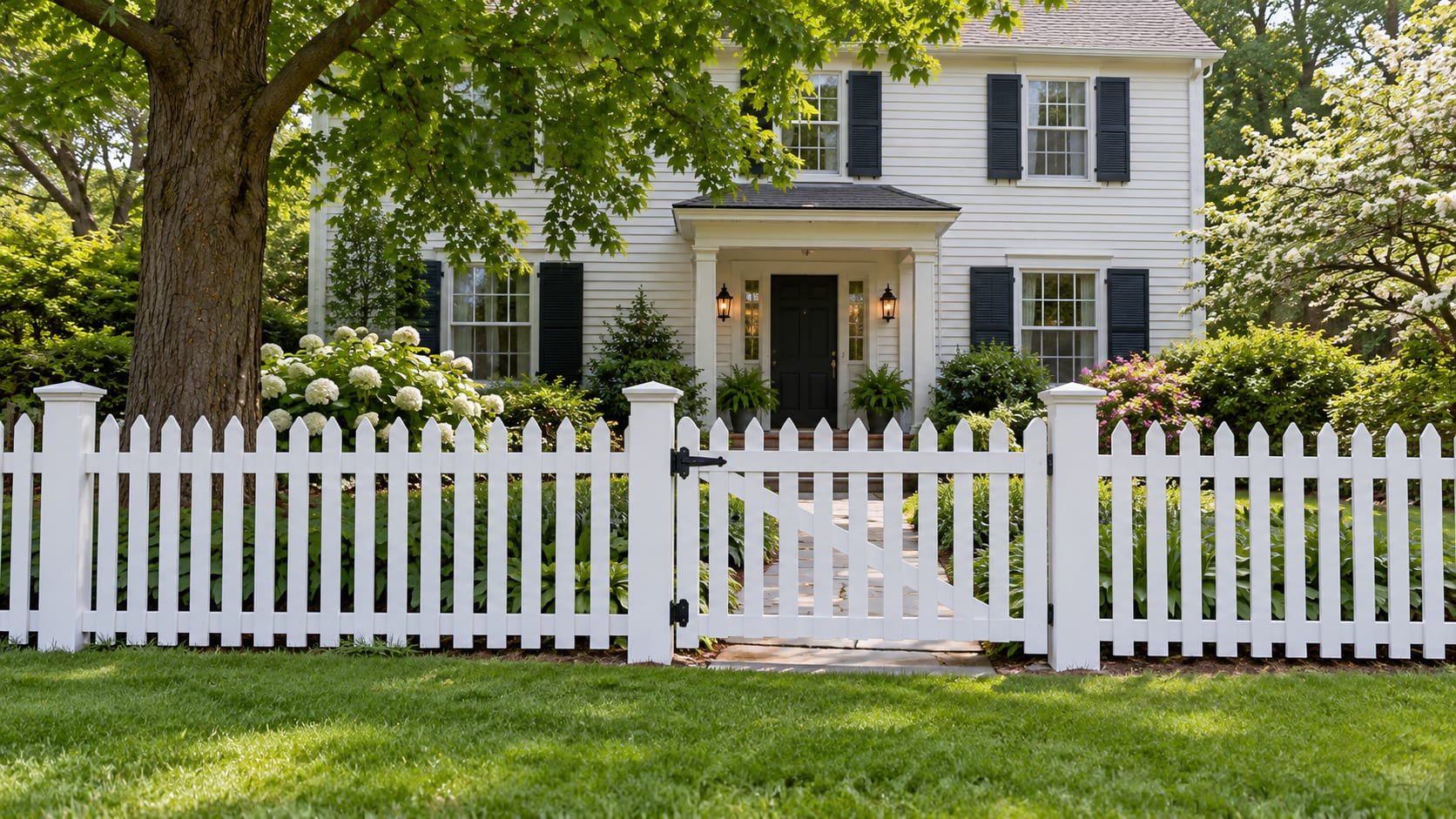
For a standard fence in Bethel, start with Land Use to confirm zoning compliance and whether a zoning permit or certificate is required. Section 6.5 of Bethel’s zoning regulations places the fence inside all lot lines, limits height to four feet in a front setback and six feet in a side or rear setback, and allows up to eight feet outside a required setback, with exceptions for livestock properties and residential lots next to commercial or industrial uses.
A pool barrier, retaining wall, wetland disturbance or floodplain condition adds another review. Before ordering materials, prepare a survey or plot plan, mark the proposed fence location and height, then contact Bethel Land Use at 203-794-8553 or landuse@bethel-ct.gov. Contact the Building Department at 203-794-8517 for building-permit, retaining-wall and pool-barrier questions.
Key Takeaways
Height limits
Bethel allows four feet in a front setback, six feet in a side or rear setback, and up to eight feet outside a required setback.
Property lines
A fence or wall must be located inside all lot lines.
First contact
Ask Bethel Land Use about zoning compliance and any zoning permit or certificate.
Building review
Pool barriers and retaining walls can require building-code review and a building permit.
Special conditions
Wetlands, watercourses, floodplains and corner-lot visibility can change the review.
Documents
Bring a current survey or plot plan, a fence sketch, proposed height, materials, gates and property information.
Bethel’s fence height rules
Bethel’s Section 6.5 is the starting point for a residential, farm or business fence. The location of the fence in relation to the required yard determines the ordinary height limit.
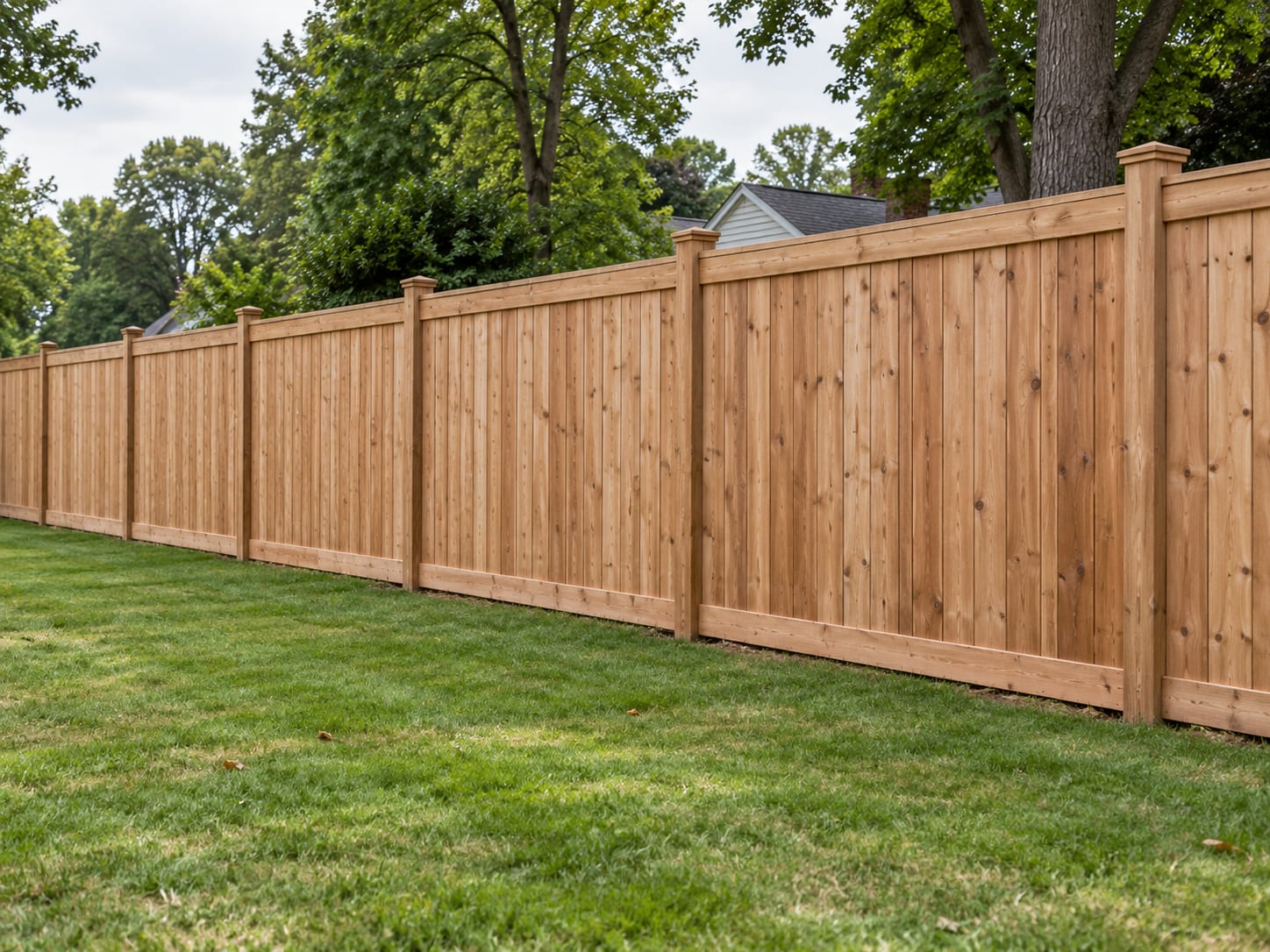
The regulation states that a fence or wall must be inside all lot lines. It also sets these height limits:
Hover or tap a row to highlight it.
| Fence location or property condition | Maximum height |
|---|---|
| Within a front setback | 4 feet |
| Within a side or rear setback | 6 feet |
| Outside a required setback | 8 feet |
| Front setback on property housing horses, ponies or livestock | 6 feet |
| Residential property abutting a commercial or industrial use | 8 feet |
The livestock exception applies to property housing horses, ponies or livestock. Bethel also allows an eight-foot fence on a residential property that abuts a commercial or industrial use. A fence outside a required setback may reach eight feet.
The front, side and rear setback limits are different from the lot-line requirement. A fence may be close to a boundary if it remains inside the lot lines, but the proposed location still needs to be checked against the required yard and any corner-lot visibility rules. If the fence is near a boundary, a current survey can prevent a post from crossing onto the adjoining parcel.
Corner lots and street intersections must comply with Section 6.7 visibility requirements. A fence that fits the height limit may still need to be placed or reduced so drivers and pedestrians have a clear view near the intersection.
Bethel also regulates the finished side. When a fence is within a required yard and one side is finished or more attractive, that side must face the neighboring property or the street. The rule can affect how you order panels and which side of a privacy fence faces outward. Read more about this issue in Which Side of the Fence Faces the Neighbor in Connecticut?.
Barbed wire and fences made with sharp materials are prohibited in residential zones and along residential-zone boundaries. Electrically charged fencing is prohibited in residential zones, except for qualifying properties with horses, ponies or livestock. A farm or horse property should discuss the proposed fence with Land Use before choosing an electric system. Electric Fencing for Horses and Livestock: How It Works and What It Takes covers the installation questions that usually come next.
Bethel’s current zoning regulations are available through the town’s official zoning regulations PDF.
How close can the fence be to the property line?
Bethel requires the fence or wall to be inside all lot lines. The practical distance depends on the surveyed boundary, the proposed fence layout, the required yard and any visibility or land-use conditions affecting the parcel.
A neighbor’s approval does not move a property line or replace town review. If you are sharing access, splitting the cost, agreeing on maintenance or placing a fence near a disputed boundary, put the agreement in writing. For a boundary disagreement, speak with a Connecticut real estate attorney.
A survey or plot plan should show the property lines and the fence in relation to the street, buildings, driveways and relevant yards. This is especially useful where an old stone wall, thick vegetation or a sloped area makes the boundary hard to identify. The fence should be staked from the surveyed line before post holes are dug.
For more background on boundary placement and neighbor agreements, see Building a Fence on the Property Line in Connecticut: Setbacks, Surveys and Neighbors. If the proposed line follows an old stone wall, Fences and Old Stone Walls: Building Alongside, Behind or On Top may help you plan the layout.
Which Bethel office should you call?
Land Use is the first call for a standard fence. Bethel’s Land Use Department handles zoning, subdivision and wetlands matters. Ask whether the fence complies with Section 6.5 and whether the town requires a zoning permit or certificate for the address and design.
The Bethel Planning and Zoning page lists Land Use at 203-794-8553 and landuse@bethel-ct.gov. The town’s Planning Forms and Documents page includes a Zoning Permit Application and inland-wetlands materials.
The Building Department handles building-code questions and building permits. Bethel accepts applications through its online permitting portal, and paper forms may be downloaded and brought to the department. When drawings and specifications are required, the department requests one hard copy and one digital PDF. The Bethel Building Department page lists the department at 203-794-8517.
Bethel’s published building-fee schedule calculates permit fees from estimated construction cost. The listed charge is $25.26 for the first $1,000 and $8.26 for each additional $1,000 or part thereof, as shown in the town’s building fee schedule. These amounts are per project based on the town’s estimated construction cost calculation. Ask Building to confirm the fee for your application.
For a standard fence, ask Land Use first. For a pool barrier, retaining wall or building-code question, ask Building as well. The statewide overview Do You Need a Permit for Fence Installation in CT? explains how local zoning and state building review can overlap.
Pool barriers, wetlands and floodplains
A pool fence is reviewed differently from an ordinary yard fence. Connecticut’s State Building Code requires an outdoor swimming pool barrier to be at least 48 inches high, with rules for bottom clearance, openings, climbable members, vertical spacing and chain-link mesh. A fence used as a residential pool barrier requires a building permit under the State Building Inspector’s published interpretation.
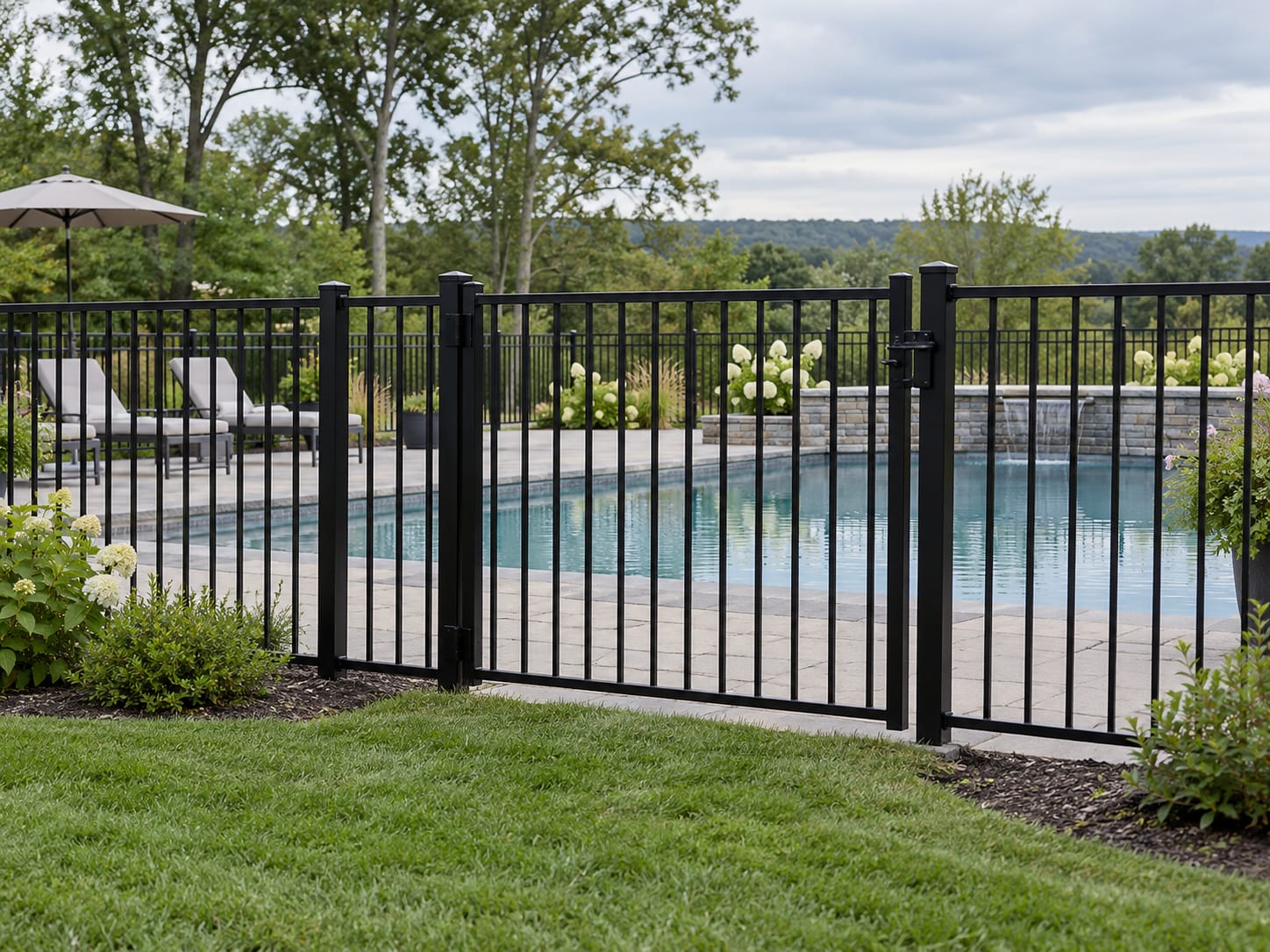
Connecticut law requires a compliant barrier to be installed or included in the construction plan before a local building official issues a permit for a new or substantially altered swimming pool. Contact Bethel Building before installing or replacing the barrier so the application, inspection and fee requirements match the pool project.
The Connecticut State Building Code is available through the Office of the State Building Inspector. The state’s pool-barrier interpretation is available through Interpretation I-22-12. You can also review Connecticut Pool Fence Requirements: Height, Gates and Permits.
Wetlands review may apply when installation involves filling, excavation, dredging, clear-cutting, clearing, grading or another alteration or use of a wetland or watercourse. A fence line that crosses wet ground or requires grading near a stream may need an Inland Wetlands Commission ruling or permit. Ask Land Use before moving soil or driving equipment into regulated areas.
Bethel’s zoning regulations include floodplain provisions. The Planning and Zoning Official serves as Flood Plain Manager and reviews zoning permits for floodplain requirements and required federal, state or local approvals. Ask Land Use whether the parcel or proposed fence line is in a floodplain.
A wetland, watercourse or floodplain review can affect the fence route, access, post locations and schedule. Building a Fence Near Wetlands, Streams or Lakes in Connecticut explains why the ground disturbance matters before installation begins.
What to prepare before applying or ordering materials
Start with the property address and owner information. Then mark the proposed fence on a current survey, plot plan or other drawing showing property lines. Include the distance from streets, buildings and relevant yards when you can.
Your fence sketch should show the height, total length, gates, materials and proposed location. Note whether the lot is a corner lot and whether the work involves a pool, wetland, watercourse or floodplain. If one side of the fence is finished or more attractive, identify which side will face the street or neighboring property.
For a contractor-built fence, include the contractor’s information. If the fence will serve as a pool barrier, include the available barrier specifications. Ask Land Use or Building to confirm the documents needed for your particular project.
A practical sequence looks like this:
Bethel Fence Planning Steps
- 1
Confirm the boundary
Obtain a current survey or plot plan and identify the proposed fence line.
- 2
Mark the design
Show the height, length, gates, materials, finished side and relation to required yards.
- 3
Call Land Use
Confirm Section 6.5 compliance, corner-lot visibility and whether a zoning permit or certificate is required.
- 4
Call Building
Ask about building permits for a pool barrier, retaining wall or other building-code condition.
- 5
Check regulated land
Ask about wetlands, watercourses, floodplains and any other parcel review.
- 6
Mark utilities
Call 811 or use the applicable Connecticut Call Before You Dig process before excavation.
- 7
Put terms in writing
Record the fence location, materials, cost, schedule and responsibility for permits in the contractor agreement.
The Connecticut Department of Consumer Protection treats residential fence installation as home-improvement work. Covered residential contractors must be registered, and home-improvement projects require a written contract. Your written agreement should also address gates, access, cleanup, permit responsibility and any neighbor arrangement.
At My Fence Guy, a written quote for this type of project should identify the fence line, height, materials, gates, post locations, access limits, permit responsibilities, cost and schedule. Rocky soil or ledge can affect post installation and the final layout, so ask how those conditions are handled before work begins. For material choices, see residential fencing options.
Bethel rules are local
Bethel’s rules apply to Bethel parcels. Danbury uses its own municipal zoning regulations and states that adopted print regulations and amendments control when they differ from the web version. Newtown publishes separate zoning regulations through its Planning and Zoning Department. A fence in either town must be reviewed under that town’s rules.
Nearby New York municipalities use their own local requirements as well. The Town of Kent, New York, states that a fence up to six feet high may avoid a permit when it is in a side or rear yard and meets local zoning limits. Kent requires building and zoning approval for fences higher than six feet. Greenburgh, New York, publishes separate residential fence limits, including different front, side and rear yard standards and corner-lot restrictions.
These examples matter if you own property in one town and live near another. Use Bethel’s regulations and offices for a Bethel property. For a Danbury project, see Fence Permits in Danbury, CT: Height Limits, Zoning and Who to Call. For Newtown, see Fence Permits in Newtown, CT: Zoning, Pool Barriers and Who to Call.
Connecticut General Statutes Chapter 823 addresses division fences and obligations between adjoining proprietors. Sections 52-480 and 52-570 address malicious erection of structures, commonly called spite-fence claims. These statutes provide general rules, but a particular boundary or neighbor dispute calls for advice from a Connecticut real estate attorney. The official statutes are available in Chapter 823.
Frequently Asked Questions
Do I need a permit for a fence in Bethel, CT?
Confirm the requirement with Bethel Land Use and Building for the specific address and design. Land Use handles zoning compliance and any zoning permit or certificate, while Building handles building-code questions, pool barriers and retaining walls.
How tall can a fence be in Bethel?
Bethel allows up to four feet within a front setback, six feet within a side or rear setback, and eight feet outside a required setback. A livestock property may have a fence up to six feet in the front setback, and a residential property next to commercial or industrial use may have an eight-foot fence.
How close to the property line can a fence be in Bethel?
Place the fence inside all lot lines. Use a survey or plot plan when the fence will be near a boundary, and ask Land Use about the proposed location, required yard and corner-lot visibility.
Do I need a permit for a pool fence in Bethel?
Yes, a pool barrier requires building-code review and a building permit. The barrier must meet Connecticut State Building Code requirements, including a minimum height of 48 inches and rules for openings, clearances and climbable parts.
Bethel Fence Rules Check
1. What is the ordinary maximum height within a Bethel front setback?
2. Which Bethel office should receive a zoning question about a standard fence?
3. What must a Bethel fence satisfy regarding lot lines?
4. Which fence project requires building-code review?
5. What should you bring when asking the town about a proposed fence?
Pick an answer to begin.
Final Thoughts
Bethel’s fence decision starts with four facts: where the fence will sit, how tall it will be, where the lot lines run and whether the property involves a pool, wetlands, watercourse, floodplain or corner intersection. Bring those details to Land Use, contact Building for pool-barrier or building-code questions, and put the final fence layout and permit responsibilities in writing.
A careful plan also gives your contractor enough information to price post locations, gates, materials, access and ground conditions accurately. Call us at (203) 746-1100 for a free estimate, or reach out through our contact page.
Bethel Fence Terms
Tap a term to see what it means.
Front setback. The required yard area between a property’s front lot line and the applicable building line.
More about fences
Do You Need a Permit to Replace a Fence in Connecticut?
Replacing a fence in the same spot in Connecticut: when towns treat it as new work, what happens to a grandfathered fence, and what to check before you start.
Read the guide to Do You Need a Permit to Replace a Fence in Connecticut?Is a Fence Considered a Structure in Connecticut Zoning?
Whether a fence counts as a structure under Connecticut zoning changes its setbacks and permits. How towns define it, with retaining walls and gates compared.
Read the guide to Is a Fence Considered a Structure in Connecticut Zoning?Fences in Connecticut Historic Districts: What Needs Approval
Fences in Connecticut historic districts need a certificate of appropriateness when seen from the street. How commissions review materials, height and style.
Read the guide to Fences in Connecticut Historic Districts