
Fence Permits in Wilton, CT: Height Limits, Zoning and Who to Call
By Tony Pellicone12 min readPublished
- fence permits
- zoning
- wilton ct
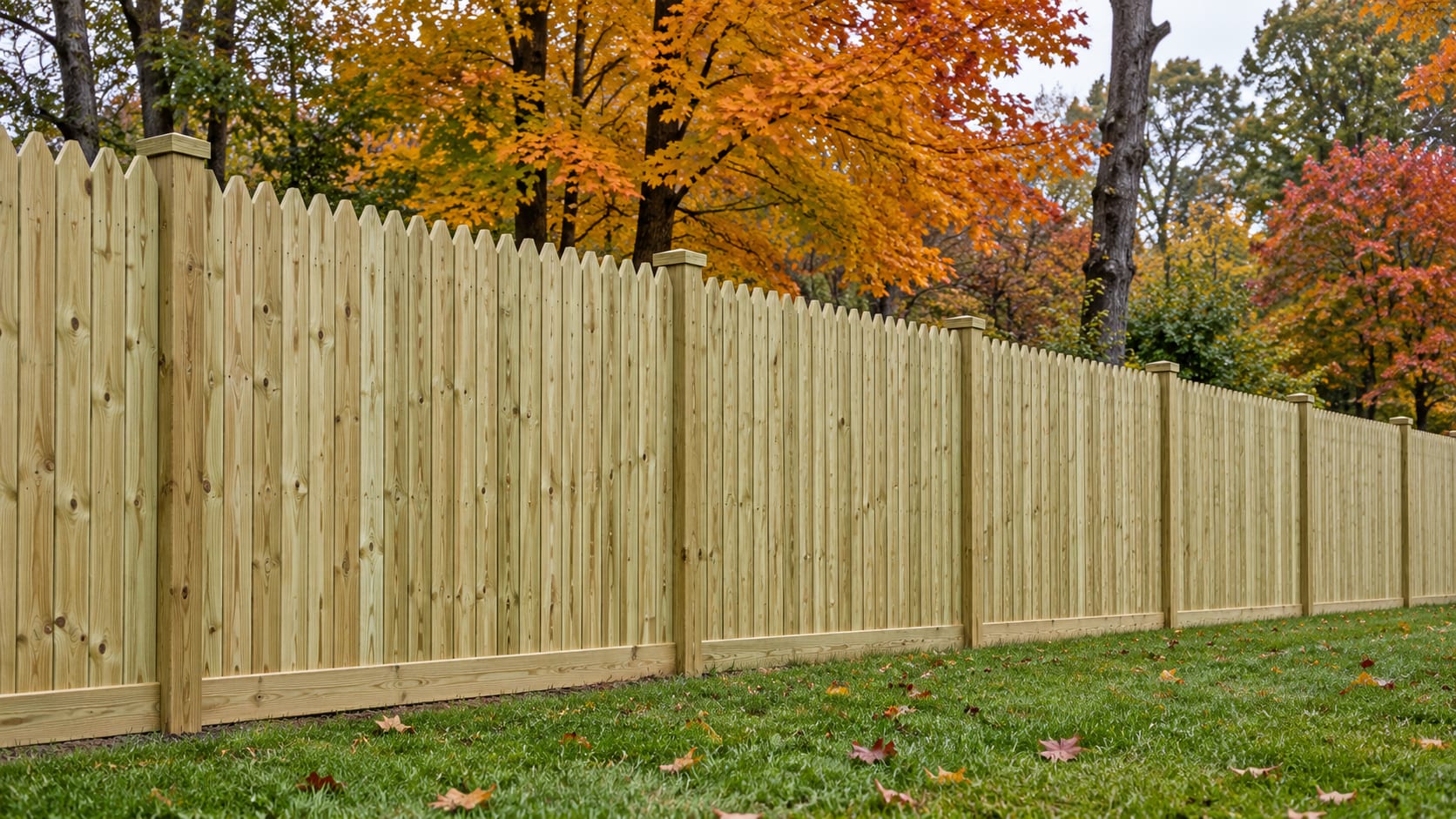
Wilton measures a fence from finished grade, and a fence up to six feet high is generally allowed in a required yard, while fences over six feet become structures under the town’s zoning rules. A fence over seven feet reaches the Connecticut State Building Code threshold for a building permit or certificate of approval. Before ordering materials, contact Wilton Planning and Zoning about height, yard placement and corner-lot visibility, then ask the Building Department which permit type applies.
The answer can change for a corner lot, pool barrier, historic property, wetland, watercourse or floodplain. Wilton uses its own zoning and permitting process, so a fence rule from another Connecticut town or nearby New York municipality should not be used for a Wilton property.
Key Takeaways
Six-foot baseline
Wilton measures the ordinary fence and wall limit from finished grade.
Over six feet
The portion above six feet must be at least three-fourths open construction in required yard areas.
Over seven feet
The Connecticut State Building Code identifies fences greater than seven feet as work requiring a building permit or certificate of approval.
Corner lots
Both street lines are treated as front lot lines, with a 50-foot sight-visibility triangle.
Special reviews
Pools, wetlands, historic properties and floodplains can add separate approvals.
First calls
Contact Planning and Zoning for zoning questions and Building Department staff for building permits and OpenGov applications.
Wilton’s basic fence height rule
Wilton’s 2024 zoning regulations address fences and walls in §29-4.E.5, “Exceptions to Yard Requirements.” The section allows a fence or wall in a required yard when it does not exceed six feet in height measured above finished grade.
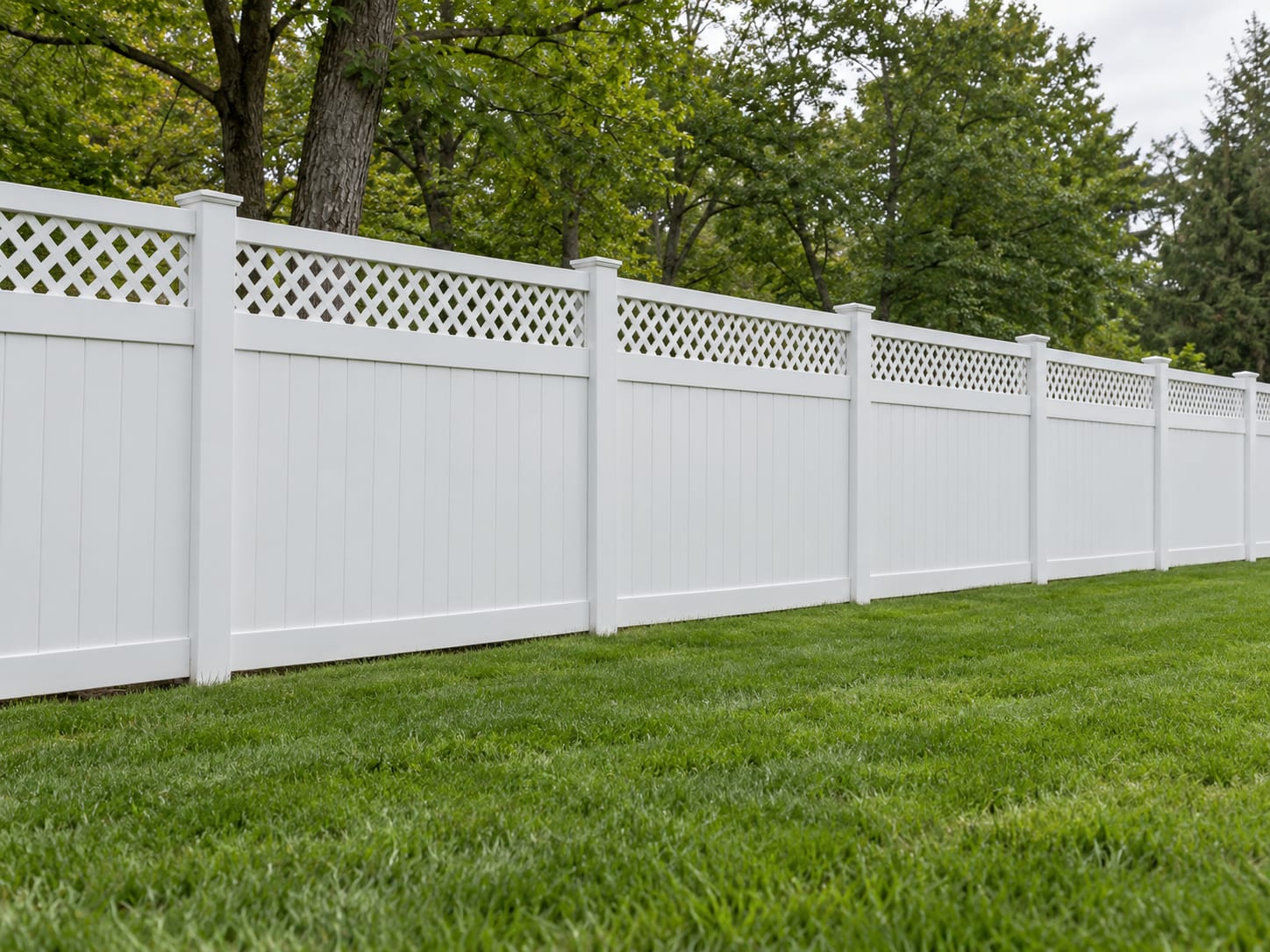
A fence or wall higher than six feet may be allowed in a required yard, but the portion above six feet must be at least three-fourths open construction. That means a solid privacy panel that rises above six feet may not meet the rule in a required yard. The exact design, location and zoning district should be reviewed before you order panels, posts or gates.
The rule applies to fences and walls, including retaining walls. Living hedges are treated separately under the regulation.
The town’s zoning regulations also define fences and walls over six feet as structures. That brings the project into Wilton’s zoning-permit procedures even when the fence is between six and seven feet. The state building-permit threshold does not replace the town’s zoning review.
Hover or tap a row to highlight it.
| Proposed height | Practical review point |
|---|---|
| Six feet or less | Check the fence location, yard requirements, corner-lot visibility and any district-specific rules with Planning and Zoning. |
| Over six feet | Wilton treats the fence or wall as a structure, and the portion above six feet in a required yard must be at least three-fourths open construction. |
| Over seven feet | The Connecticut State Building Code identifies the work as requiring a building permit or certificate of approval. |
| Wilton Center or Cannon Crossing frontage | Appendix C recommends a maximum height of 48 inches along street frontages and public sidewalks, subject to the district rules. |
The 48-inch recommendation in Wilton Center and Cannon Crossing is a district-specific design provision. It should not be treated as the ordinary townwide residential maximum. If your property is in one of those areas, ask Planning and Zoning how the frontage provision applies to your fence.
For a broader comparison of state and local height rules, see How Tall Can a Fence Be in Connecticut? Height Rules for Front, Back and Corner Lots.
Corner lots, yards and property lines
A corner lot receives two front lot lines under Wilton §29-4.B.2. The required yard along both street frontages is treated as a front yard. This can change where a fence may be placed and which design rules apply.
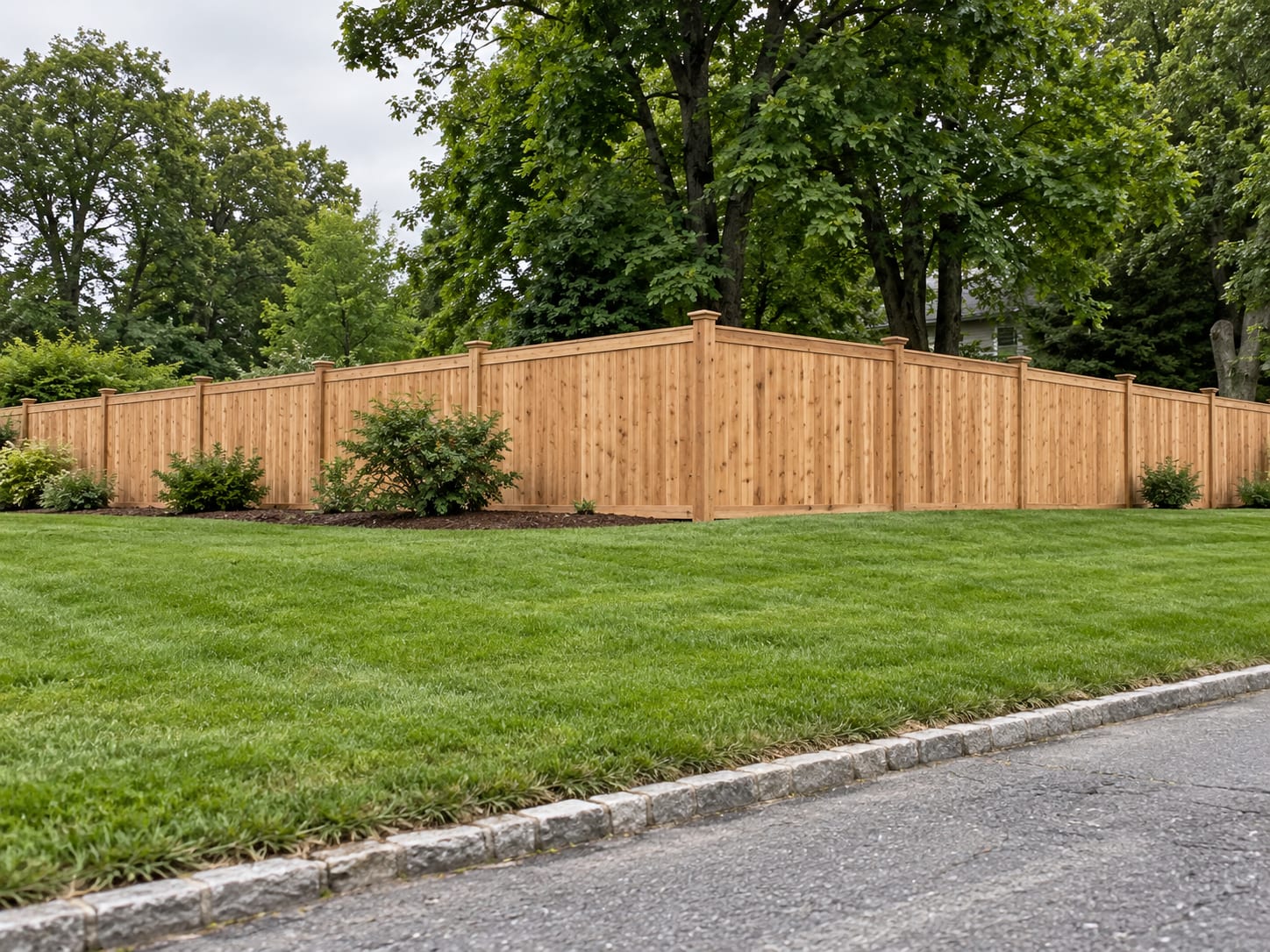
Wilton also prohibits a fence, wall, hedge, structure or planting from obstructing traffic visibility within the triangular area formed by the intersecting street right-of-way lines and points 50 feet from the theoretical intersection. A fence that looks acceptable from one side of the property may still create a sight-line issue at the corner.
Bring a survey or plot plan showing property lines, streets, driveways, sidewalks, existing structures and the proposed fence. Mark the fence height, distance from street lines and property lines, gate locations and the side that faces the street or adjoining property.
Wilton regulates fence placement through required yards rather than one fixed distance from every property line, so placement has to account for required yards, corner visibility, easements, streets, sidewalks, driveways and district-specific provisions. If the proposed fence is close to a boundary, a survey is a sensible part of the permit package.
A neighbor agreement can address access, maintenance, gates, cost sharing and the finished side of the fence. It does not replace town approval or establish the legal boundary. Connecticut General Statutes §52-570 addresses a structure maliciously erected with intent to annoy or injure an adjacent owner. A property-line dispute should be handled with a surveyor or Connecticut real estate attorney. The statute is published in the Connecticut General Statutes, Chapter 925.
For questions about a shared line, see Building a Fence on the Property Line in Connecticut: Setbacks, Surveys and Neighbors.
Which Wilton office should you call?
Planning and Zoning is the primary office for fence height, yard placement, corner-lot sight lines, zoning permits and certificates of zoning compliance.
Wilton Planning and Zoning Department 238 Danbury Road Wilton, CT 06897 203-563-0185 Zoning Enforcement Officer: 203-563-0186
The Building Department handles building and construction permits and directs applicants to Wilton’s OpenGov online permitting and licensing portal. Proposed permit applications are submitted through the Wilton OpenGov permitting portal.
Wilton Building Department 238 Danbury Road Wilton, CT 06897 203-563-0177 Chief Building Official: 203-563-0178
If you are unsure which application type applies, contact the department before submitting materials. You should ask two separate questions:
1. Does the proposed height, yard location, lot classification and corner-lot sight line comply with Wilton zoning? 2. Does the project require a building permit, certificate of approval or another Building Department application?
Wilton’s published building-fee schedule effective in 2026 lists residential building permits at $10 per $1,000 of estimated project cost, with a $40 minimum, plus the Connecticut Education Fund charge of $0.26 per $1,000. Ask the Building Department what fee applies to your proposed work and which application type should be selected.
For the statewide permit background, see Do You Need a Permit for Fence Installation in CT?. For residential project planning, residential fencing can help you compare fence styles before you submit a design.
Special approvals for pools, wetlands and historic properties
A fence can need more than one review when it is part of a regulated property condition.
Pool barriers
A pool fence is handled through Wilton’s pool-permit process. The town publishes a pool-permit packet that asks whether the barrier will be an automatic cover or a standard fence barrier. The packet also includes project information, estimated cost, contractor information and Connecticut Department of Consumer Protection registration information.
The Connecticut State Building Code generally requires an outdoor swimming pool, above-ground pool, on-ground pool, hot tub or spa to have a compliant barrier. The barrier is generally at least 48 inches high on the side facing away from the pool, with rules for openings, gate operation, vertical members, horizontal members and chain-link mesh.
Submit the pool and barrier information through the Wilton Building Department and confirm required inspections, documents and fees. A pool fence should be designed around the barrier rules from the beginning, not added after the rest of the fence is ordered.
You can also read Connecticut Pool Fence Requirements: Height, Gates and Permits and Does an Above-Ground Pool Need a Fence in Connecticut?.
Wetlands, watercourses and floodplains
Wilton’s Inland Wetlands Commission reviews projects within wetlands, watercourses and regulated areas adjacent to them. The town identifies the regulated area adjacent to wetlands and watercourses as 100 feet. A fence project involving clearing, grading, excavation, filling, construction or another regulated activity may require wetlands review.
This matters on a wooded or rural property where the proposed fence line crosses low ground, drainage areas or land near a stream. The fence itself may be simple, but digging post holes, moving soil or clearing a path can change the review.
The Wilton Inland Wetlands Commission requires a completed OpenGov application plus one paper copy of the application and supporting materials delivered to the Town Hall Annex. Contact the commission before clearing or digging if the fence is near a wetland or watercourse.
Planning and Zoning administers Wilton floodplain regulations. If the property is in a mapped floodplain, ask how the fence may affect drainage, flood flows and access. A fence near a lake or watercourse should be discussed with both Planning and Zoning and Inland Wetlands.
For related planning, see Building a Fence Near Wetlands, Streams or Lakes in Connecticut.
Historic districts and historic properties
Wilton requires a Certificate of Appropriateness before a building or structure within a historic district or designated historic property is erected, altered, restored or moved. The requirement applies whether or not a building permit is required.
The Historic District Commission gives a practical example: replacing a road-visible fence with a stone wall and gate requires a Certificate of Appropriateness, while repairing a fence in the same style and material does not. If your fence can be seen from a public right-of-way, ask about historic review before selecting a new material or changing the fence line.
The town’s Certificate of Appropriateness information explains the local review. You can also read Fences in Connecticut Historic Districts: What Needs Approval.
What to prepare before applying
A clean application starts with a clear fence plan. Gather the property address and parcel number, then mark the proposed fence on a survey, plot plan or other plan showing property lines, the house, streets, driveways and existing structures.
Include:
- Fence height measured from finished grade.
- Fence material, style and design.
- Gate locations and gate dimensions.
- Distance from property lines and street lines.
- Which side faces the street or adjoining property.
- Photos or a sketch showing nearby streets, sidewalks, driveways, wetlands and watercourses.
- Corner-lot sight-distance information where applicable.
- Pool-barrier details if the fence encloses a pool.
- Historic-district or designated-property information when applicable.
- Floodplain information when applicable.
- Contractor information and Connecticut Home Improvement Contractor registration information for residential work.
A written quote should identify the fence location, materials, height, gates, removal work, site preparation, permit responsibilities and any assumptions about property lines. Ledge along the proposed line can affect post locations and labor, so discuss it before the price is finalized.
My Fence Guy can help organize the fence layout, material details, gates and installation scope for a permit conversation. We can also identify where the plan needs more information from a surveyor, utility markout or town office.
Before excavation, contact Call Before You Dig: Marking Utilities Before a Fence Goes In in Connecticut and arrange utility marking through the free Connecticut service.
A Practical Wilton Fence Approval Process
- 1
Confirm the property
Identify the parcel, zoning district, corner-lot status and any historic, wetland, watercourse or floodplain conditions.
- 2
Draw the proposal
Show property lines, streets, yards, fence height, materials, gates and distances from lines.
- 3
Call Planning and Zoning
Ask whether the height, yard placement, sight lines and district rules comply with Wilton zoning.
- 4
Call Building Department
Ask whether a building permit or certificate of approval applies, which OpenGov application type to use and what fee will be charged.
- 5
Submit special reviews
Provide wetlands or historic materials when the property condition requires them.
- 6
Mark utilities and boundaries
Complete Call Before You Dig and confirm the fence line before excavation.
- 7
Install and inspect
Build to the approved plan and arrange required inspections for the permit type.
Wilton’s rules apply to Wilton parcels
Connecticut fence rules are set town by town. Wilton allows fences or walls up to six feet in required yards under §29-4.E.5, treats fences over six feet as structures, and uses a 50-foot visibility triangle for corner lots under §29-4.B.2.
New Fairfield, Ridgefield, Danbury, Brookfield, New Milford, Bethel and other Connecticut towns may use different height limits, setbacks, sight-distance triangles, permit forms and zoning reviews. If your property is in another town, ask that town’s zoning and building offices before using Wilton’s measurements.
Nearby New York towns, villages and cities also set their own rules. Dutchess County explains that zoning maps are general references and that zoning boundaries and requirements are enacted by individual municipalities. The county highway department separately requires a Highway Work Permit for work within a county highway right-of-way, including fence installation.
For a property in Putnam or Westchester County, check with the specific town, village or city, since each sets its own fence rules.
Frequently Asked Questions
Do I need a permit for a fence in Wilton, CT?
A Wilton fence may require zoning or building approval based on its height, location and property conditions. Contact Planning and Zoning and the Building Department before construction, especially for a fence over six feet, a corner lot, pool barrier, historic property, wetland, watercourse or floodplain.
How tall can a fence be in Wilton?
The ordinary Wilton zoning limit is six feet measured above finished grade. A fence over six feet may be allowed in a required yard when the portion above six feet is at least three-fourths open construction, while a fence over seven feet reaches the state building-code permit threshold.
How close to the property line can a fence be in Wilton?
The general Wilton fence provision regulates placement through required yards, corner-lot visibility and district rules. Use a survey or reliable plot plan near a boundary, and ask Planning and Zoning how the proposed line relates to property lines, street lines, easements and sidewalks.
Do I need a permit for a pool fence in Wilton?
A pool project requires Building Department review through Wilton’s pool-permit process. Submit the pool and barrier information through OpenGov, then confirm the required barrier details, inspections, application type and fee with the Building Department.
Wilton Fence Permit Check
1. What is the ordinary Wilton fence height measured from?
2. What happens to a fence over six feet in a required yard?
3. How far from the theoretical corner intersection does Wilton’s sight-visibility rule use points?
4. Which Wilton office handles fence height and corner-lot zoning questions?
Pick an answer to begin.
Final Thoughts
The first useful decision is the fence height, followed by the yard location and property conditions. Bring Wilton a clear plan showing the fence, gates, finished-grade height and relationship to streets and property lines. Then confirm zoning with Planning and Zoning and the permit path with the Building Department before materials arrive.
A properly planned fence can account for corner visibility, pool safety, wetlands, historic review, floodplain conditions and the actual ground along the fence line. My Fence Guy can prepare a written installation scope that gives the town and the property owner the same information. Call us at (203) 746-1100 for a free estimate, or reach out through our contact page.
Wilton Fence Permit Terms
Tap a term to see what it means.
Finished grade. The ground level used to measure fence height under Wilton’s fence provision.
More about fences
Do You Need a Permit to Replace a Fence in Connecticut?
Replacing a fence in the same spot in Connecticut: when towns treat it as new work, what happens to a grandfathered fence, and what to check before you start.
Read the guide to Do You Need a Permit to Replace a Fence in Connecticut?Is a Fence Considered a Structure in Connecticut Zoning?
Whether a fence counts as a structure under Connecticut zoning changes its setbacks and permits. How towns define it, with retaining walls and gates compared.
Read the guide to Is a Fence Considered a Structure in Connecticut Zoning?Fences in Connecticut Historic Districts: What Needs Approval
Fences in Connecticut historic districts need a certificate of appropriateness when seen from the street. How commissions review materials, height and style.
Read the guide to Fences in Connecticut Historic Districts